National Dish Chile: Pan de Pascua (Recipe)
In this article
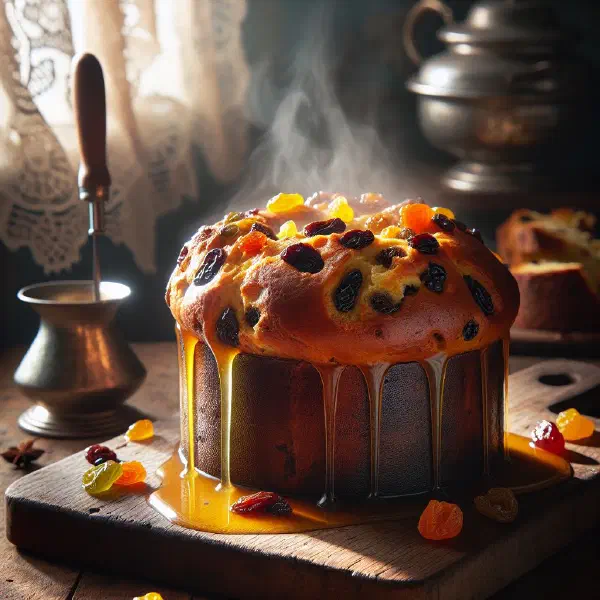
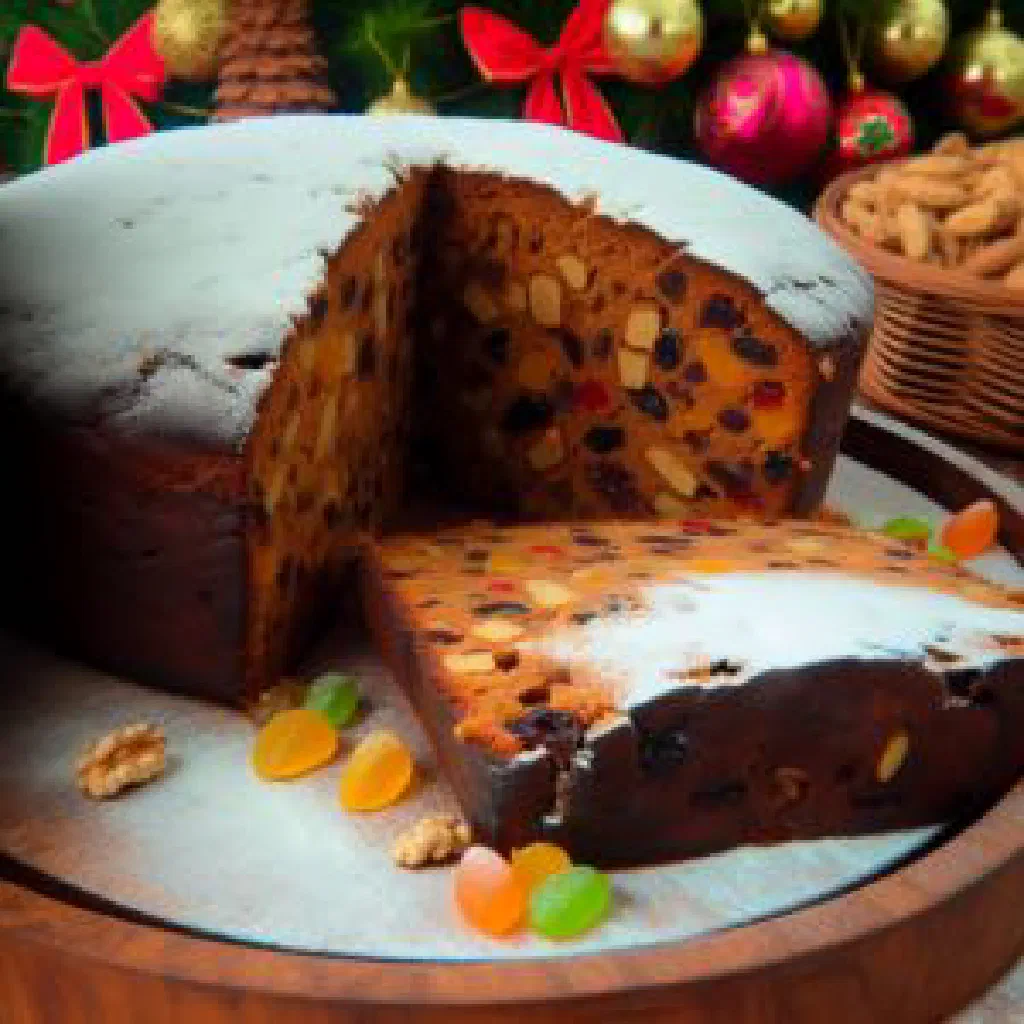
Meet Pan de Pascua, Chile’s much-loved Christmas cake. This moist, richly spiced loaf is packed with dried fruit and nuts and perfumed with warm cinnamon and nutmeg. As it bakes, the whole kitchen fills with a festive aroma that calls the family to the table. Perfect for cosy midsummer celebrations in the southern hemisphere, it is a bake that turns any gathering into a real occasion.
About Pan de Pascua
Pan de Pascua is a traditional Chilean Christmas bread enjoyed throughout the festive season. It is prized for its moist crumb and the perfect balance of spices, dried fruit and nuts. In Chilean culture this bake plays a central role in family celebrations and is often prepared with a great deal of love and care. The scent of cinnamon and nutmeg drifting through the kitchen as it bakes brings back memories of cosy evenings spent with loved ones.
Ingredients (serves 1–2)
- 200 g plain flour
- 100 g sugar
- 3 eggs
- 50 ml milk
- 100 g dried fruit (such as raisins and apricots)
- 50 g nuts (e.g. almonds or walnuts)
- 1 teaspoon cinnamon
- 1 teaspoon baking powder
- A pinch of salt
Shopping for the ingredients
To make Pan de Pascua at home, it is important to buy every ingredient fresh and of good quality. Most of what you need is available in any supermarket, though the choice of dried fruit and nuts often makes all the difference to the flavour and texture. Look for dried fruit without added sugar for a healthier bake. Don’t forget to check your spices, too, fresh cinnamon and nutmeg release a far more intense aroma.
Preparing the dish
Once you have gathered everything, it is time to begin the preparation. First, chop the dried fruit and nuts into small pieces so they are evenly distributed through the batter. It also helps to combine the flour with the baking powder, cinnamon and salt in a bowl to prevent lumps from forming. This gives you a solid base for your bake and ensures the flavours can develop fully.
Step-by-step instructions
- Preheat the oven to 180 degrees Celsius.
- In a bowl, beat the eggs with the sugar until light and fluffy.
- Add the milk and mix all the wet ingredients together well.
- Slowly stir in the dry ingredients (flour, baking powder, cinnamon and salt).
- Fold the dried fruit and nuts into the batter and stir until evenly combined.
- Pour the batter into a greased loaf tin and smooth the top.
- Bake for about 45–50 minutes, until golden brown.
- After baking, let the Pan de Pascua cool a little in the tin before turning it out.
Gluten-free / lactose-free version
For anyone with special dietary needs, there are several ways to adapt the Pan de Pascua. Instead of ordinary flour, use gluten-free options such as almond flour or a gluten-free flour blend. For the milk, lactose-free alternatives like almond or soya milk work beautifully and lend the bake a pleasant creaminess. Be sure to check that every other product is also gluten-free or lactose-free for a fully adapted recipe.
Tips for vegans and vegetarians
A vegan version of the Pan de Pascua is entirely possible. In place of eggs, use a flax or chia “egg” made from ground seeds and water. Sweeteners such as agave syrup or maple syrup can replace the sugar while adding a natural flavour. It is also worth checking that your dried fruit and nuts contain no animal products, so that vegans, too, can enjoy this traditional bake.
More tips and tricks
A few tips can improve both the making and the finished result of your Pan de Pascua. Let the batter rest for a few hours after mixing so the flavours can develop more fully. You can also experiment while baking, adding spices such as ginger or cloves to discover new flavour notes. For a crisper crust, scatter oats into the loaf tin before pouring in the batter. These small tricks can turn the bake into a real highlight of your celebration.
Adapting the recipe to your taste
Pan de Pascua offers plenty of room for variations. Instead of raisins, for example, use dried cranberries to give the bake a fruity note. The choice of nuts can vary too, cashews or hazelnuts are just as delicious as almonds. For those who prefer a less sweet version, simply reduce the sugar to taste or replace it with honey. This way the recipe adapts perfectly to your personal preferences, much as the Alfajores can be filled to suit any sweet tooth.
Ingredient substitutions
If certain ingredients are not to hand, there are many creative alternatives. Swap raisins for dried cranberries to add a tart, fruity character, or trade almonds for cashews or hazelnuts. For a lower-sugar bake, reduce the sugar or use honey in its place. Substitutions like these let you tailor the recipe to what is in season or simply to your own taste, the same flexible spirit that shines in a bowl of Arroz con Leche.
Drink pairing ideas
To serve Pan de Pascua in style, offer drinks that pair wonderfully with this festive bake. A fruity punch or a warm mulled wine make excellent companions to its rich flavours. For non-drinkers, a spiced apple juice or a frothy hot chocolate helps set the celebratory mood. These drinks round off the tasting experience perfectly and create a warm, welcoming atmosphere at your table.
Serving and presentation ideas
Presentation can heighten the pleasure of Pan de Pascua still further. Serve the bake on an attractive dessert plate and garnish it with fresh fruit and mint leaves for an extra splash of colour. A dusting of icing sugar or a chocolate glaze makes it even more appealing. You could also slice the loaf and give it away in small pastry boxes, a pretty, personal touch for any festive spread.
A bit of history
Pan de Pascua has a history stretching back to Chile’s colonial era. It is considered an heir to the Italian panettone tradition and, over time, became a symbol of Christmas celebrations in Chile. The bake reflects the country’s culinary influences and its cultural diversity. In many Chilean families it is now a firm custom to bake and enjoy Pan de Pascua during the festive season, each household guarding its own secret recipe as part of the country’s wider Chilean cuisine.
More recipe ideas
Summary: Pan de Pascua
Pan de Pascua is more than just a bake; it is a piece of Chilean culture and tradition that brightens every occasion during the Christmas season. With its distinctive combination of spices, dried fruit and nuts, it becomes the highlight of any table. Whether in its classic form or with creative variations, this bake invites you to discover new flavour experiences. Take the time to try this recipe, and bring a taste of Chile to your own Christmas celebration.