National Dish Chile: Pastel de Locos (Recipe)
In this article
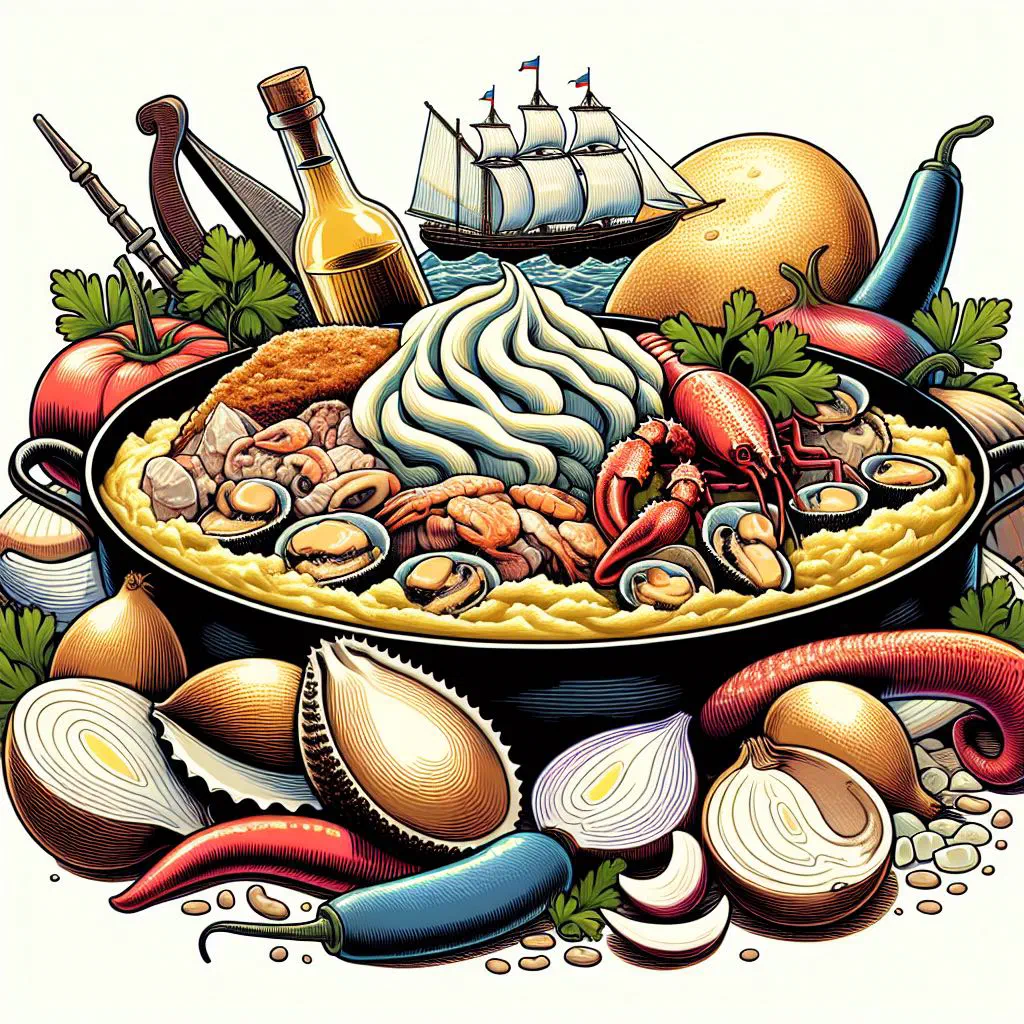
Say hello to Pastel de Locos, a treasured taste of Chile’s long Pacific coastline. This comforting baked dish folds tender locos, the prized Chilean abalone, into a creamy blend of cheese and eggs, all tucked beneath a golden, crisp crust. Rich, savoury and quietly luxurious, it is the kind of dish that turns fresh-off-the-boat seafood into a celebration. Bring a little of the Chilean shore to your own table with this soul-warming classic.
About Pastel de Locos
The star of Pastel de Locos is the loco, or Chilean abalone, a shellfish famous for its distinctive, delicate flavour. These seafood treasures are as rich in taste as they are in nutrients, which makes the dish a fine choice for anyone who loves the fruits of the sea. The pastry is prepared with care to achieve a golden, crisp crust that pairs beautifully with the creamy filling. Pastel de Locos is not only a pleasure for the palate but a feast for the senses, bringing colour and life to any table.
Ingredients (serves 1–2)
- 200 g locos (Chilean abalone)
- 100 g grated cheese (Parmesan or another favourite variety)
- 2 eggs
- 50 ml milk
- 1 teaspoon butter
- 200 g plain wheat flour
- A pinch of salt and pepper, to taste
Shopping for the ingredients
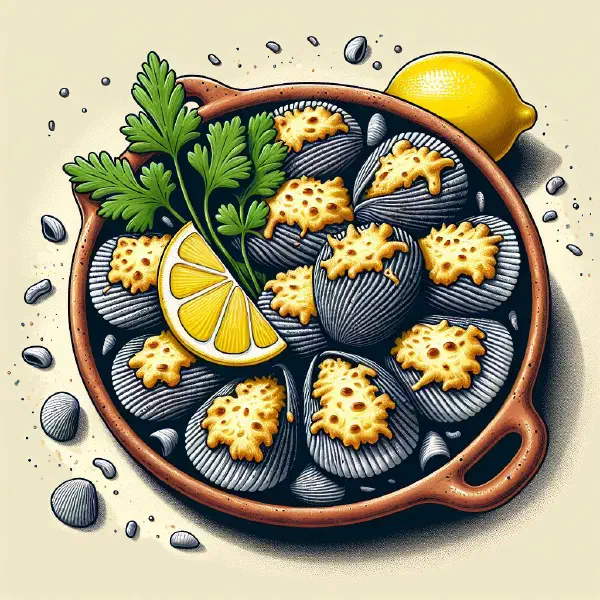
To prepare Pastel de Locos, it is worth using fresh ingredients to guarantee the very best flavour. Locos are often available at fishmongers or in well-stocked supermarkets. When choosing your seafood, pay attention to its freshness and provenance. It also pays to visit local markets, where you can find fresh eggs and good-quality cheese. Much like the shellfish that shine in Machas a la Parmesana, the locos deserve to be as fresh as possible.
Preparing the dish
Before you begin, give the locos a thorough clean and cut them into small pieces. This groundwork is essential so the flavours can develop fully during cooking. Meanwhile, you can prepare the pastry by kneading the flour with the butter, a pinch of salt and a little water into a smooth dough. Let the dough rest afterwards so it stays soft and easy to work with.
Step-by-step instructions
- Cut the locos into small pieces and sauté them in a pan with a little butter.
- In a bowl, beat together the eggs, milk, grated cheese, salt and pepper until well combined.
- Add the sautéed locos to the egg mixture and stir well.
- Roll out the pastry on a floured surface and line a baking dish with it.
- Spread the cheese, egg and loco mixture evenly over the pastry.
- Bake the pastel in a preheated oven at 180 °C for about 30–40 minutes, until the top is golden brown.
Gluten-free / lactose-free version
For a gluten-free version of Pastel de Locos, simply swap the wheat flour for a gluten-free flour blend. When choosing your cheese, look for a lactose-free variety to make the dish easier to digest. The result stays every bit as delicious, even with a few adjustments. That way, people following special diets can still enjoy this Chilean treat.
Tips for vegans and vegetarians
For anyone after a vegan or vegetarian take on Pastel de Locos, you can replace the locos with a mix of other vegetables, such as mushrooms or courgette. Instead of eggs, use a plant-based cream to bind the filling together. With creative herbs and spices, you can give the dish a character all its own. These alternatives make for a delicious, plant-based version of the traditional recipe.
More tips and tricks
One key tip when cooking Pastel de Locos is the freshness of the ingredients, especially the locos. Use fresh, local produce to draw out the very best flavour. To maximise the crispness of the pastry, you can blind-bake it briefly before filling. You might also garnish the dish with fresh herbs, such as parsley or coriander, for an extra layer of aroma.
Adapting the recipe to your taste
The beauty of Pastel de Locos is that you can adapt it to your own preferences. Add extra spices, for instance, to bring a little more warmth to the dish. You can also experiment with different cheeses to vary the flavour. Remember that adapting a recipe is exciting and helps make the dish exactly to your liking.
Ingredient substitutions
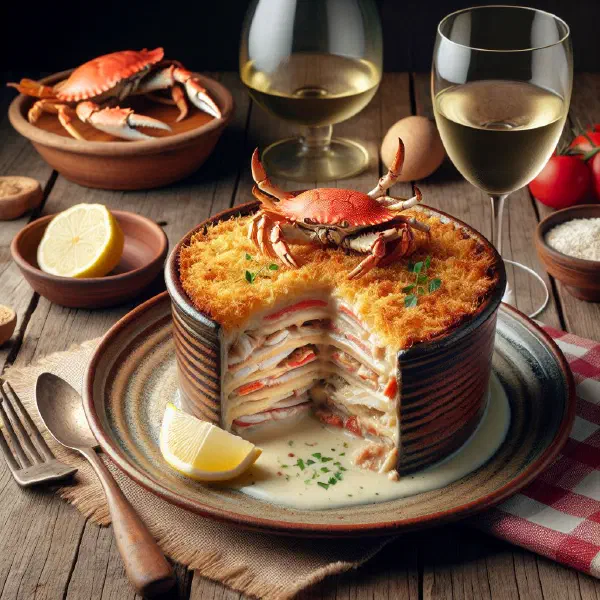
If you cannot find locos, other seafood such as prawns or crab meat make an excellent alternative, the same generous spirit that fills a Pastel de Jaiba. When it comes to the cheese, reach for milder or stronger varieties depending on your taste. For a gluten-free version, you can also use rice flour or maize flour. These substitutions offer plenty of ways to make Pastel de Locos your own.
Drink pairing ideas
When choosing drinks to serve with Pastel de Locos, a fresh white wine or a cold beer makes a wonderful match. A refreshing glass of Chicha, the traditional Chilean drink, rounds off the experience perfectly. Bear in mind that alcohol-free options such as freshly squeezed citrus juices, or a herbal tea with lemon, also pair beautifully with this dish. Choose the drink that best suits your taste and the occasion, perhaps even a classic Pisco Sour.
Serving and presentation ideas
The presentation of Pastel de Locos can greatly enhance the whole dish. Serve it in an attractive baking dish, decorated with fresh herbs just before serving. An extra garnish of lemon-fresh slices could lend the dish an interesting contrast. Do not forget to arrange the portions appealingly on the plate to please the eye as well as the palate.
A bit of history
Pastel de Locos has its roots in Chilean folk tradition and is a symbol of the country’s coastal cooking. It was originally prepared by fishermen who found creative ways to make the most of their catch. The use of locos is typical of the Chilean coastal regions, where these shellfish are found in abundance. Today Pastel de Locos is not only a favourite in Chile but has also won recognition well beyond its shores, taking pride of place in Chilean cuisine.
More recipe ideas
Summary: Pastel de Locos
Pastel de Locos is a captivating dish that brings together the flavours of the Chilean coast. With its combination of fresh locos, a creamy cheese and egg mixture and tender pastry, it is a true delicacy. Let it inspire you and enjoy a slice of Chilean culture on your plate.