National Dish Chile: Patasca (Recipe)
In this article
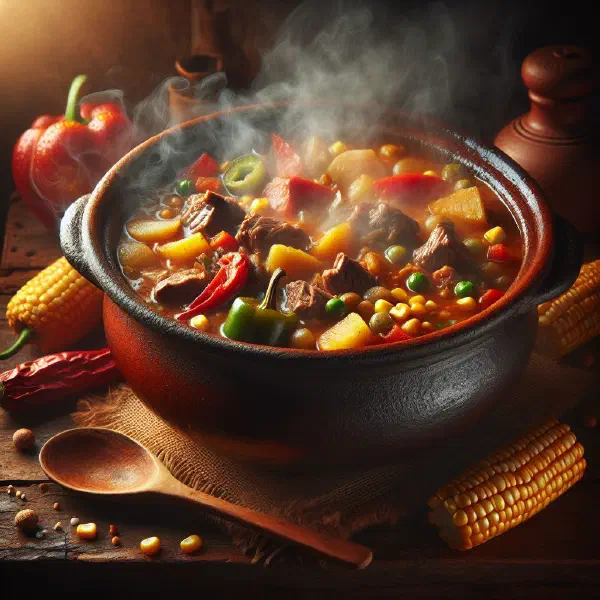
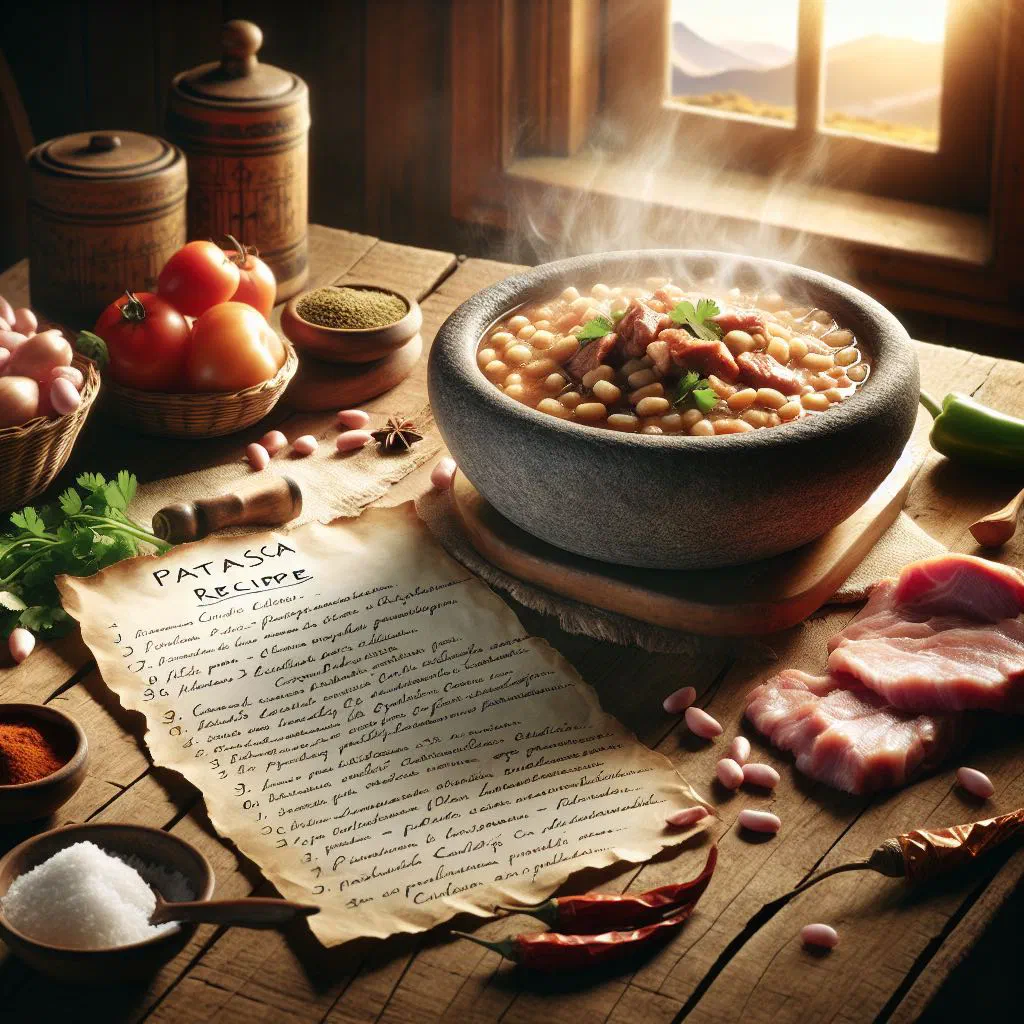
Warm up with Patasca, a hearty soup that carries the flavours of the Andes straight into your kitchen. Built around tender corn and slow-cooked meat, this rustic Chilean classic is deeply comforting on a cold day, its broth gently perfumed with paprika and cumin. More than just a bowl of soup, patasca is a taste of Chile’s indigenous heritage, nourishing, aromatic and made to be shared.
About Patasca
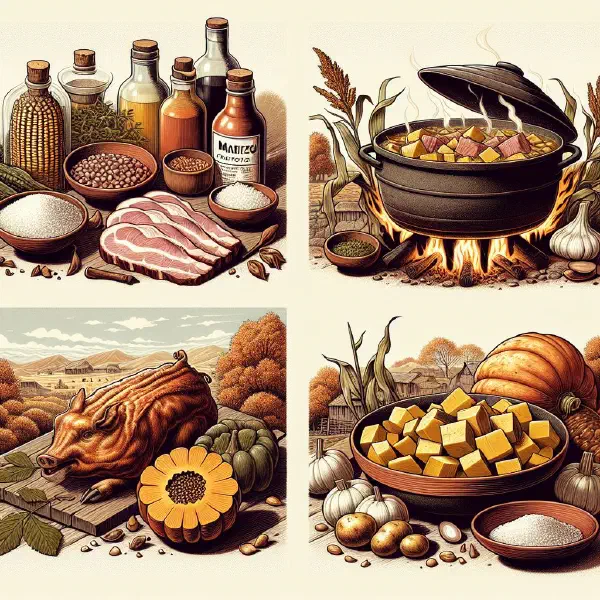
Patasca is a traditional Chilean soup, especially treasured in the cooler regions of the country. Its ingredients reflect the rich culture and culinary traditions of the indigenous peoples of the Andes. The combination of corn, meat and aromatic spices makes this a warming dish that nourishes both body and soul. Patasca is not simply a meal but a piece of Chilean history, tasted in every single spoonful.
Ingredients (serves 1–2)
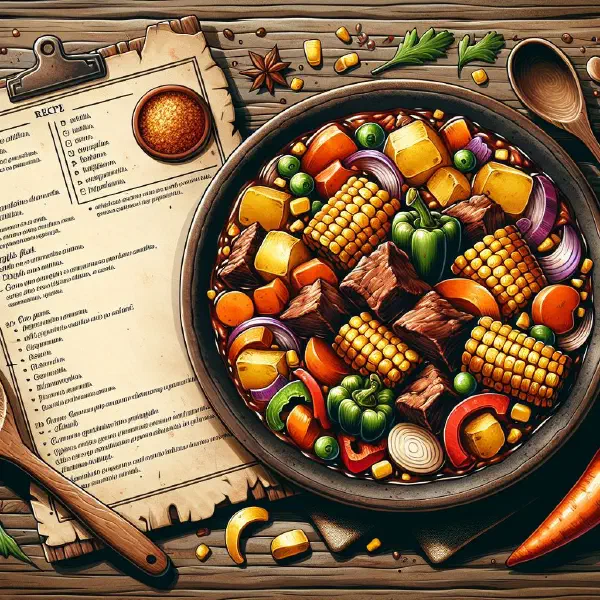
- 200 g fresh corn (dried corn also works, but soak it first)
- 300 g beef or pork
- 1 onion, diced
- 2 cloves of garlic, chopped
- 1 teaspoon paprika
- 1 teaspoon ground cumin
- Salt and pepper, to taste
- Water or stock, as needed
- Fresh herbs, to garnish
Shopping for the ingredients
When shopping for patasca, it is worth choosing fresh, good-quality produce. Visit local markets or organic shops to find the best corn and the freshest meat. Make sure the corn looks healthy, with no cracks or spoiled patches. Where you can, opt for regional organic products to bring out the authentic flavours of Chile all the more.
Preparing the dish
Preparing patasca is simple yet full of flavour. Begin by soaking the corn overnight (if using dried) to improve its texture. Wash any fruit and vegetables thoroughly and, if needed, cut them into small pieces in advance. Prepare your meat by cutting it into cubes and setting it aside to marinate, which gives the finished dish a deeper, more intense flavour.
Step-by-step instructions
- In a large pot, brown the meat together with the onion and garlic until nicely coloured.
- Add the soaked corn and stir well.
- Pour in water or stock so that all the ingredients are covered.
- Add spices such as paprika, cumin, salt and pepper.
- Bring the pot to the boil, then reduce the heat and let it simmer gently for 1.5 to 2 hours.
- Once cooked, stir through some fresh herbs just before serving.
Gluten-free / lactose-free version
Patasca is naturally gluten-free and lactose-free, which makes it an ideal dish for anyone with those intolerances. Do take care, though, not to use ingredients that might contain hidden gluten or lactose, such as certain stocks or spice blends. Enjoy this tasty soup with complete peace of mind and to the full.
Tips for vegans and vegetarians
For a vegan or vegetarian version of patasca, there are plenty of delicious alternatives to the meat. Use vegetable stock in place of the meat and add protein sources such as lentils or chickpeas. Experiment with different vegetables, carrots, celery or squash, to make the dish satisfying and nourishing. These tweaks let you enjoy the hearty flavour of patasca without any animal products, much like the vegetable-rich Charquicán.
More tips and tricks
A few creative touches can lift the flavour of patasca considerably. Add a splash of lemon juice or vinegar while cooking to give the aromas more depth. Fresh herbs such as parsley or coriander as a garnish brighten the look of the dish and improve its taste. Be bold and experiment with different spices until you find your own personal signature.
Adapting the recipe to your taste
Patasca is an extremely flexible dish that is easy to tailor to personal preference. Like it spicier? Add chilli powder or fresh chillies to give the dish a kick. Have a favourite vegetable? Feel free to vary the mix and shape the soup to your own taste. This way patasca becomes a treat for everyone at the table.
Ingredient substitutions
If an ingredient for patasca is not available, there are usually plenty of alternatives. Instead of beef or pork, for example, you can use chicken or even a plant-based meat. The corn can be swapped for quinoa or bulgur to boost the nutritional value, corn also takes centre stage in Pastel de Choclo and Humitas.
Drink pairing ideas
A delicious dish like patasca calls for the right drink to go with it. A classic Chilean choice is the Pisco Sour, whose refreshing citrus note pairs beautifully with the soup. For an alcohol-free option, consider a fresh lemonade or a spiced apple cider.
Serving and presentation ideas
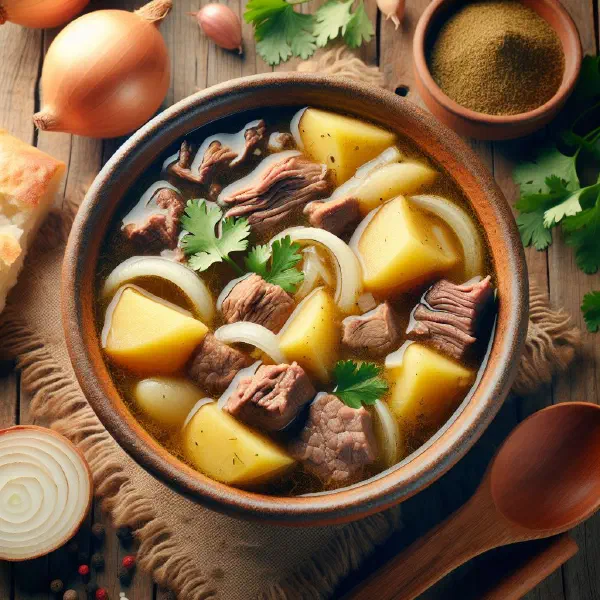
The presentation of patasca can add greatly to the enjoyment of the dish. Serve the soup in attractive bowls and garnish with freshly chopped herbs. Add a few slices of crusty bread or some homemade bread to round the meal off nicely. With this kind of loving presentation, patasca is sure to be a highlight on any dining table.
A bit of history
Patasca has deep cultural roots in Chile that reach far beyond the kitchen. The soup comes from the indigenous peoples of the Andes, who relied on corn and meat as staple foods. In the cold months, patasca served to feed and as a filling dish for the whole community. Today it is often prepared for festive occasions and traditional cooking rituals, a custom passed down from generation to generation as part of the wider tapestry of Chilean cuisine.
More recipe ideas
Summary: Patasca
Patasca is more than just a soup; it brings together the history and culture of Chile in one warming dish. With its hearty, aromatic ingredients, it offers a festive treat and a recipe you can adapt to your own preferences. Patasca is sure to be a marvel of Chilean cooking, perfect for any occasion. Enjoy this delicious dish and bring a little piece of Chile into your own kitchen.