National Dish China: Bai Qie Ji (Recipe)
In this article
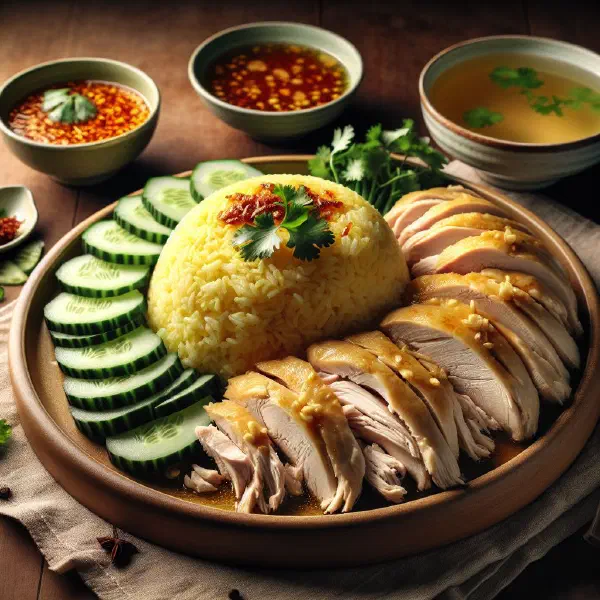
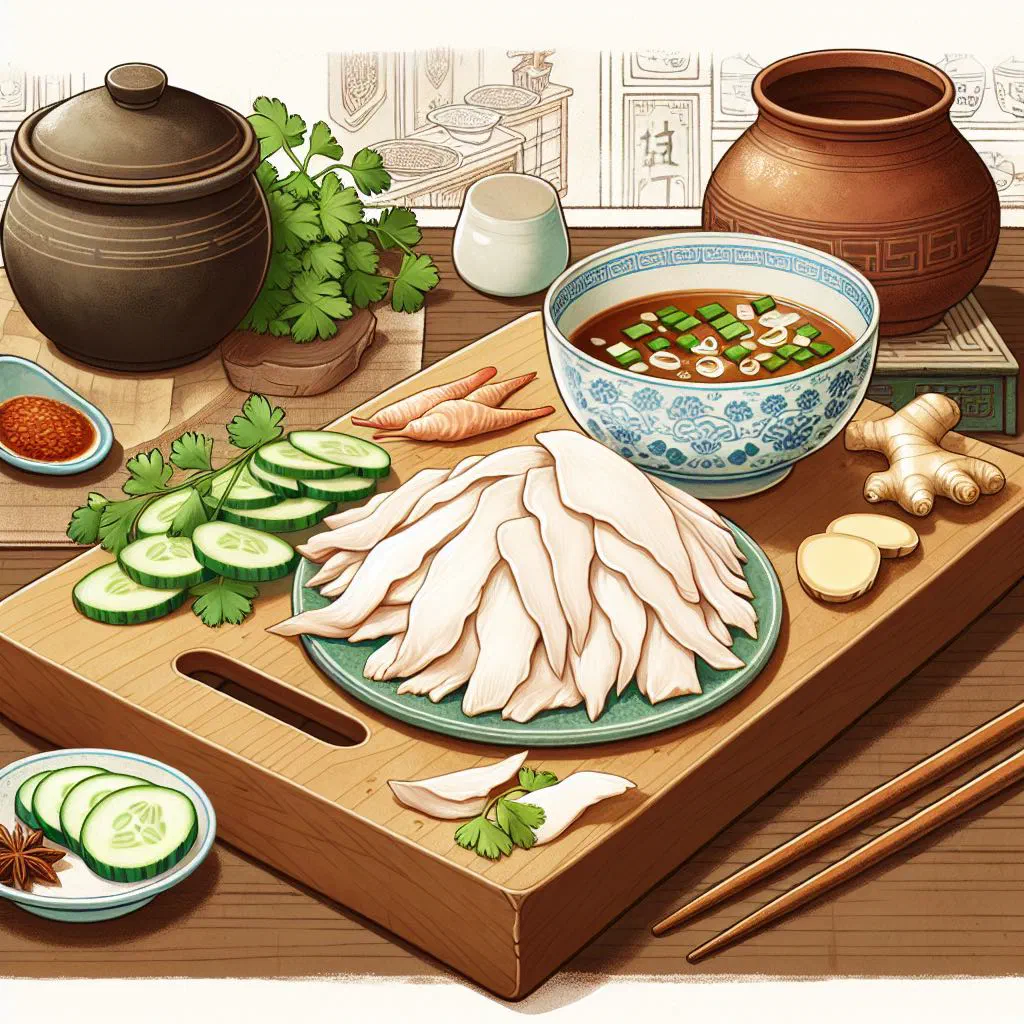
Discover Bai Qie Ji, a beautifully simple dish that lets tender, juicy chicken take centre stage. Often known as Chinese white-cut chicken, it relies on gentle poaching and a handful of aromatic seasonings rather than heavy sauces, letting the natural flavour of the meat shine through. Fragrant with ginger and spring onion and finished with a glossy drizzle of soy and sesame, it is the kind of unfussy classic that appeals to both young and old. Bring a taste of authentic Chinese home cooking straight to your own table.
About Bai Qie Ji
Bai Qie Ji is a traditional Chinese dish prized for its tender, succulent chicken. This speciality shows off the flavours of Chinese cooking at their purest and is wonderfully straightforward to prepare. It is often served with a variety of side dishes and is a firm favourite across the generations.
Ingredients (serves 1–2)
- 300 g chicken breast
- 1 piece of ginger (about 2 cm)
- 2 spring onions
- 2 tablespoons soy sauce
- 1 tablespoon sesame oil
- 1 teaspoon sugar
- 1 teaspoon peppercorns
- Fresh herbs to garnish (such as coriander)
Shopping for the ingredients
When preparing Bai Qie Ji, it is important to choose good-quality ingredients. Visit your local market or an Asian grocery to find fresh chicken and the seasonings you need. Take care to buy well-made soy sauce and sesame oil, as they have a big influence on the final flavour of the dish. Fresh vegetables and herbs are equally crucial for keeping those bright, clean aromas intact.
Preparing the dish
To make the most of Bai Qie Ji, start by rinsing the chicken breast thoroughly and cutting it into even pieces. Finely chop the ginger and spring onions to release their aromas as they cook. You can also prepare the ingredients ahead of time to speed the process along. This groundwork is the key to a successful dish that looks every bit as good as it tastes.
Step-by-step instructions
- Bring a pan of water to the boil and add the chicken breast. Cook the chicken for about 15 minutes, until it is cooked all the way through.
- Lift the chicken out of the water and let it cool briefly before slicing it into thin pieces.
- In a frying pan, sauté the chopped spring onions and ginger in sesame oil until fragrant.
- Add the sliced chicken and carefully mix in the remaining ingredients, such as the soy sauce and sugar.
- Serve the dish warm, garnished with fresh herbs.
Gluten-free / lactose-free version
For a gluten-free version of Bai Qie Ji, swap the regular soy sauce for gluten-free soy sauce or tamari. This alternative has a very similar flavour but contains no gluten. The dish is also naturally lactose-free, as it includes no dairy products at all. That makes it a great choice for anyone with food intolerances.
Tips for vegans and vegetarians
Vegans and vegetarians can easily adapt Bai Qie Ji by replacing the chicken breast with tofu or seitan. These protein-rich alternatives soak up the flavours of the seasonings beautifully and offer a similar texture. Season the mixture with the usual spices and feel free to experiment with extra vegetables for added flavour and colour. The result is a delicious, satisfying dish built entirely on a plant-based foundation.
More tips and tricks
To bring out the full flavour of Bai Qie Ji, try refining the dish with extra seasonings such as garlic or chilli. These add a pleasant kick that makes it all the more exciting. A pinch of freshly ground pepper can also help to intensify the aromas. Be creative with how you present the dish, too, to make it even more appealing, much as you would with Three-Cup Chicken.
Adapting the recipe to your taste
The great thing about Bai Qie Ji is its versatility. You can easily tailor the recipe to your personal preferences. Like it hotter? Add more chilli. Prefer it milder? Cut back on the soy sauce. Experiment with different vegetable and meat alternatives to create your perfect version. The scope for adjustment is almost limitless and is sure to suit your taste.
Ingredient substitutions
If you do not have every ingredient for Bai Qie Ji to hand, there are plenty of alternatives. Instead of spring onions, you can use red onions for a different flavour profile. Ginger can sometimes be swapped for garlic while still keeping the dish full of flavour, the same kind of clever poaching swaps that work so well in Hainanese Chicken Rice. Experimenting with different ingredients can help you discover new and exciting tastes.
Drink pairing ideas
A few drinks pair especially well with Bai Qie Ji. A lightly chilled white wine or a fresh green tea complements the flavours of the dish wonderfully. A classic light lager can also be a refreshing choice. If you prefer something alcohol-free, a homemade lemonade with mint is a lovely way to highlight the dish’s clean aromas.
Serving and presentation ideas
An attractive presentation makes Bai Qie Ji even more enjoyable. Serve the dish in a handsome bowl and garnish it with fresh herbs and colourful vegetables. Use a mix of textures and colours to make the plate look lively and appetising. Small touches, such as a scattering of sesame seeds, can also add a pretty accent and lift the overall presentation.
A bit of history
Bai Qie Ji has a long tradition in Chinese cooking and is often prepared for festivals and family celebrations, where it is a symbol of prosperity and good fortune. Historically the dish was made with fresh, seasonal ingredients, which helps explain the regional variations in the recipe. That authenticity and reliance on fresh produce make Bai Qie Ji a particularly beloved dish in China and a fine example of Chinese cuisine, sitting comfortably alongside other celebratory favourites such as Beggar’s Chicken.
More recipe ideas
Summary: Bai Qie Ji
In short, Bai Qie Ji is a delicious and easy-to-make dish that brings the flavours of Chinese cuisine together beautifully. With fresh ingredients and traditional seasonings, it offers an exceptional taste experience. Whether for a special occasion or an everyday meal, this dish brings real pleasure to the table. Let its versatility and scope for adaptation inspire you, and enjoy a journey into Chinese gastronomy.