National Dish China: Dim Sum (Recipe)
In this article
Discover Dim Sum, one of China’s most beloved culinary traditions. These delicate little parcels of dough come stuffed with all manner of savoury fillings, from prawns and pork to fresh vegetables and fragrant spices. Served in bamboo steamers and shared around the table, dim sum is as much a social ritual as it is a meal. With its mix of flavours and textures, this classic brings the warmth of a Cantonese teahouse straight to your own kitchen.
About Dim Sum
Dim Sum is a traditional Chinese dish, usually enjoyed at lunch or in the early afternoon. It is made up of an assortment of small dumplings filled with everything from meat and vegetables to seafood and aromatic seasonings. Hugely popular across China, dim sum is served in countless restaurants and teahouses, where diners pick and choose from a parade of bite-sized treats. The variety of fillings and the communal way it is eaten make it a firm favourite far beyond China’s borders.
Ingredients (serves 1–2)
- 1/2 cup cooked rice
- 1/4 cup carrots, finely chopped
- 1/4 cup mushrooms, finely chopped
- 1/4 cup onions, finely chopped
- 1/4 cup prawns, finely chopped
- 1 egg
- 1/2 teaspoon salt
- 1/2 teaspoon pepper
- 1/2 teaspoon ground ginger
- 1/2 teaspoon garlic powder
- 1 packet dim sum dough wrappers
- 1 tablespoon soy sauce
Shopping for the ingredients
When shopping for dim sum, it pays to keep an eye on the quality of your ingredients. Choose fresh produce wherever you can, crisp vegetables, plump prawns and firm mushrooms all make a real difference to the finished dish. Bear in mind, too, that dim sum calls for a few special seasonings and ready-made wrappers, which you will most easily find in an Asian supermarket or order online.
Preparing the dish
Before you start cooking, it is worth getting all your ingredients ready so the dish comes together smoothly. Wash and finely chop the vegetables, mushrooms and onions, and have your cooked rice prepared and cooled in advance. Peel and rinse the prawns, then lightly beat the egg so it is ready to bind the filling.
Step-by-step instructions
- First, combine all the filling ingredients in a bowl: add the cooked rice, chopped vegetables, prawns and beaten egg, and mix together well.
- Stir in the salt, pepper, ground ginger and garlic powder and mix again until evenly seasoned.
- Prepare the dim sum dough: roll it out on a lightly floured surface and cut it into small squares.
- Spoon the prepared filling onto each square and fold the dough into a neat triangle.
- Cook the dim sum in a pan of boiling water for 5–7 minutes.
- Serve the dim sum with soy sauce and enjoy.
Gluten-free / lactose-free version
Dim Sum is naturally low in dairy, which makes a lactose-free version straightforward. Simply check that any dipping sauces you use are free from milk. For a gluten-free option, swap the standard wheat wrappers for one of the rice- or tapioca-based alternatives now widely available, and use a gluten-free soy sauce such as tamari. With these small changes, everyone at the table can enjoy the dish without worry.
Tips for vegans and vegetarians
If you follow a vegan diet, you can easily swap a few ingredients for plant-based alternatives. In place of the prawns, firm tofu works beautifully, soaking up the seasonings and lending a satisfying texture. Use a vegan egg replacement to bind the filling, and double-check that your soy sauce and wrappers contain no hidden animal products. With these tweaks, dim sum becomes a wholly plant-based treat.
More tips and tricks
To get the best from your dim sum, take care not to overfill the wrappers, or they may burst during cooking. Keep a small bowl of water to hand for sealing the edges so the parcels stay neatly closed. Steaming over a gentle, steady heat keeps the dough tender rather than tough. A splash of toasted sesame oil stirred through the filling adds a lovely depth of aroma.
Adapting the recipe to your taste
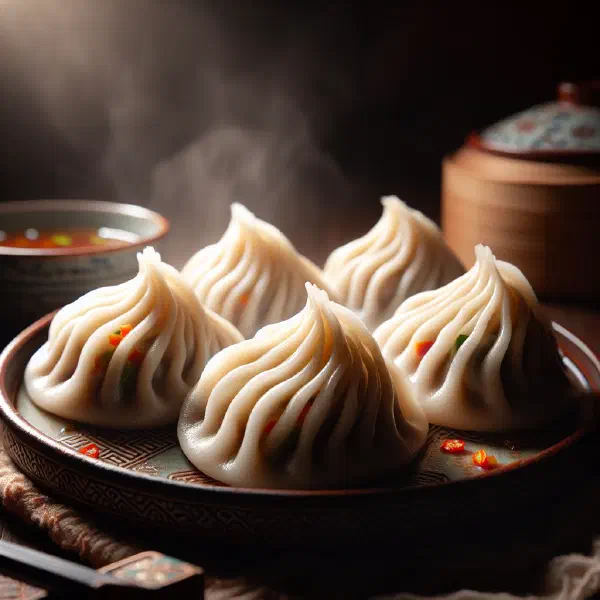
Dim Sum is wonderfully versatile and easy to tailor to your own preferences. Add a little chopped chilli or a dash of chilli oil if you like things hot, or keep the seasoning gentle for a milder result. You can vary the fillings endlessly, minced pork, mushroom and chive, or simply a handful of crunchy vegetables. This way you can build a selection that suits every palate at the table.
Ingredient substitutions
If certain ingredients are not to hand, there are plenty of creative alternatives. Chopped chicken or pork works well in place of the prawns, while shredded cabbage or spring onions can stand in for the carrots and mushrooms. For a heartier bite, try a filling closer to the one used in Wonton Soup, or take inspiration from the steamed parcels of Shaomai. Substitutions like these let you adapt the recipe to what you have in the kitchen.
Drink pairing ideas
Dim Sum is at its best with a refreshing alcohol-free drink alongside. A pot of fragrant green tea is the classic choice, cutting through the richer fillings and cleansing the palate between bites. A lightly sparkling fruit spritzer also pairs nicely, adding a touch of brightness to the meal. Jasmine or oolong tea make equally fitting companions for a relaxed dim sum spread.
Serving and presentation ideas
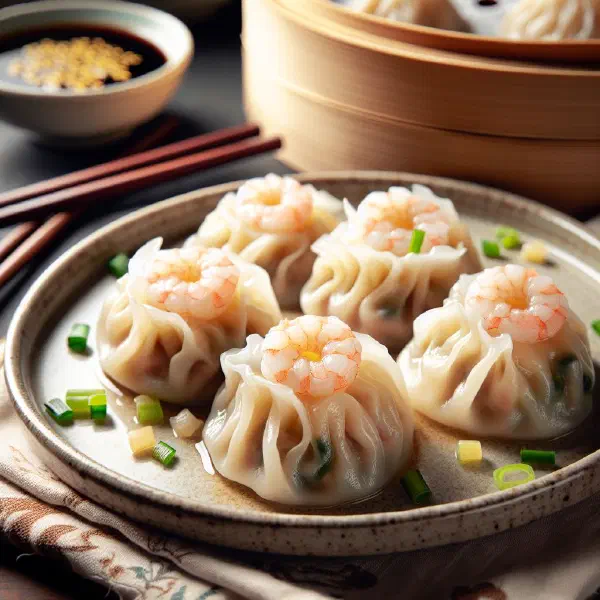
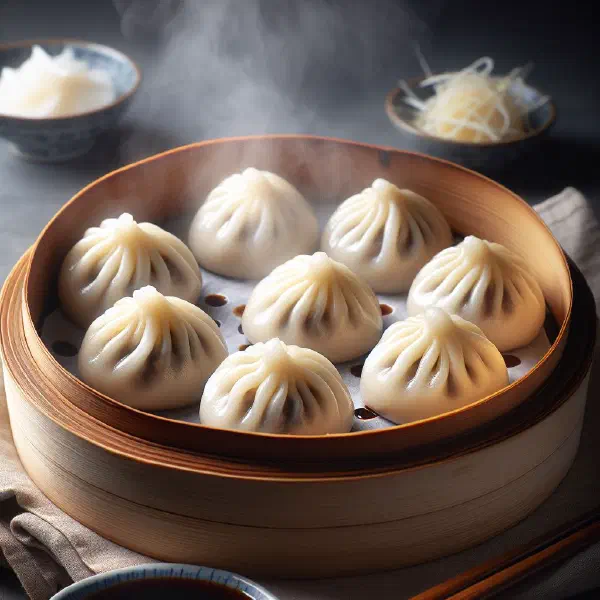
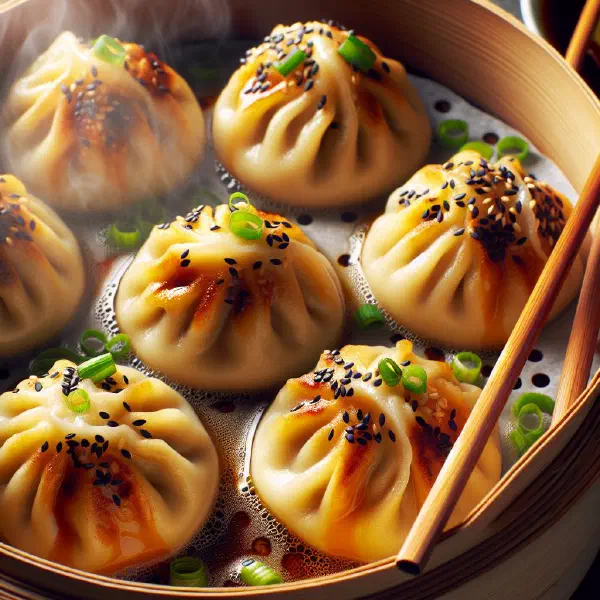
Presentation is half the pleasure with dim sum. Serve the dumplings in a traditional bamboo steamer or on a simple white plate to let their delicate shapes shine. Provide small dipping bowls of soy sauce, chilli oil and black vinegar so each guest can season to taste. Scatter a few sliced spring onions over the top and arrange everything on a large platter for an inviting, shareable feast.
A bit of history
Dim Sum is one of China’s oldest culinary traditions, with roots stretching back more than 2,000 years. It grew up alongside the teahouses of the Silk Road and the southern Cantonese provinces, where travellers would pause to rest and take tea with a few small bites to eat. In Chinese culture, dim sum is a symbol of hospitality, almost always shared in company, a centrepiece of the wider world of Chinese cuisine. Over the centuries it has become a beloved ritual enjoyed across the globe.
More recipe ideas
Summary: Dim Sum
Dim Sum is far more than a meal. It is a treasured Chinese tradition of small, beautifully made parcels shared among friends and family. With its many fillings, gentle steaming and endless room for adaptation, it offers a true feast of flavours and textures. Dim sum brings people together around the table. Let this Chinese classic inspire you and give it a try, your taste buds will thank you.