National Dish China: Dongpo Pork (Recipe)
In this article
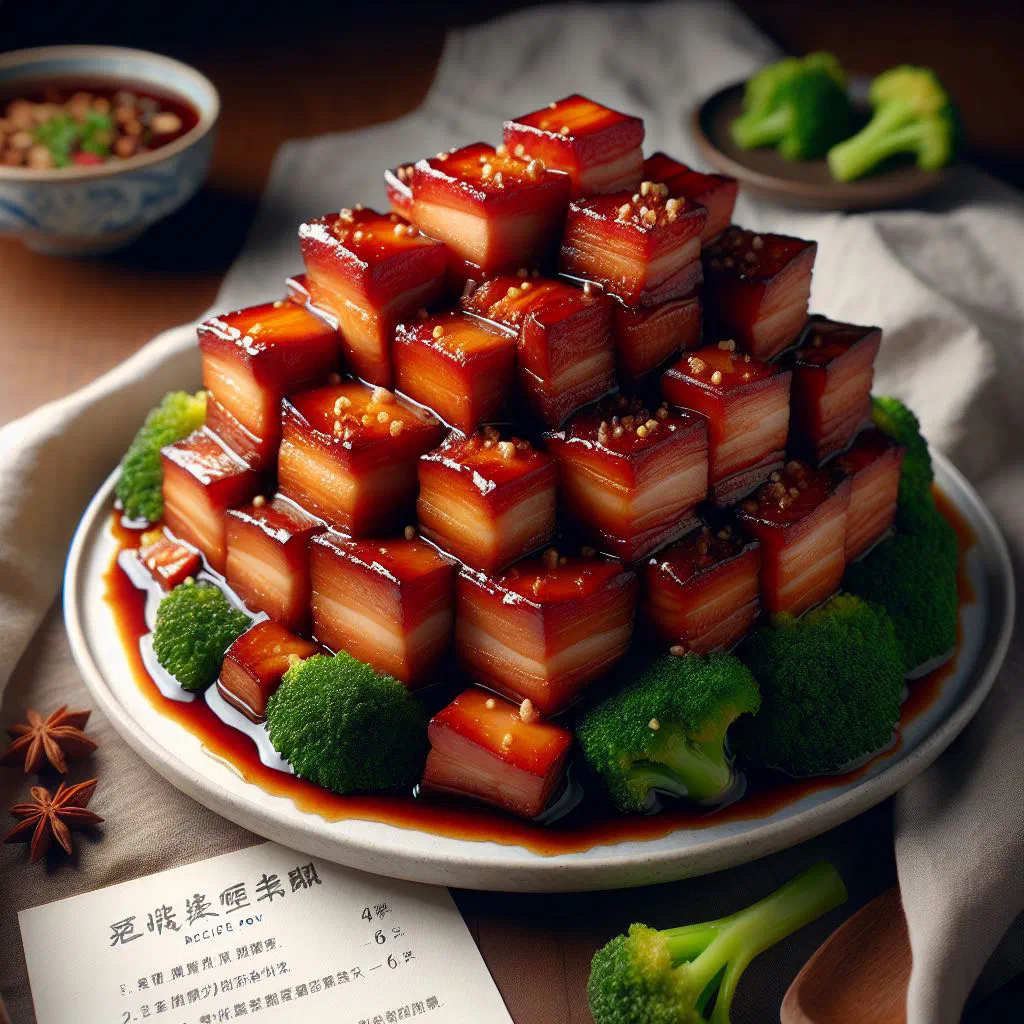
Discover Dongpo Pork, one of China’s most celebrated braised dishes. Meltingly tender pork belly is slow-cooked in a glossy, aromatic soy sauce until the meat all but falls apart at the touch of a chopstick. Named after the great Song-dynasty poet and gourmet Su Dongpo, this dish is rich, comforting and quietly luxurious. Perfect for a special occasion or a meal to impress. Bring the deep, savoury flavours of China straight to your own table.
About Dongpo Pork
Dongpo Pork is a traditional Chinese dish with its roots in the refined cooking of the Zhejiang region. Named after the famous poet and gourmet Su Dongpo, it stands out for its singular flavour and its careful, unhurried preparation. The tender, succulent meat is simmered until it almost falls apart on its own, wrapped in a rich, glossy sauce. Dongpo Pork is more than a festive treat. It reflects the cultural depth and culinary tradition of China, and shows how a few humble ingredients can be coaxed into something extraordinary.
Ingredients (serves 1–2)
- 500 g pork belly (skin on)
- 3 tablespoons soy sauce
- 2 tablespoons Shaoxing wine
- 1 piece of ginger (about 5 cm), sliced
- 2 spring onions, roughly chopped
- 1 teaspoon sugar
- 1 teaspoon five-spice powder
- Water (as needed)
Shopping for the ingredients
The ingredients for Dongpo Pork are available all year round in Asian grocery shops and larger supermarkets. The pork belly is especially important, as it gives the dish its prized succulent texture. When buying, look for fresh meat with a nice, even layer of fat running through it. Soy sauce and Shaoxing wine are essential building blocks that give the dish its unmistakable flavour, so it is worth seeking out good-quality versions of both.
Preparing the dish
Before you start cooking Dongpo Pork, rinse the meat thoroughly and cut it into pieces that are as even as possible. This makes for a more attractive presentation and helps everything cook at the same rate. With a sharp knife you can score a diamond pattern into the skin side of the pork belly, which helps it take on the marinade. Once that is done, you can marinate the meat so it absorbs the aromas evenly throughout.
Step-by-step instructions
- Sear the marinated meat in a pan until golden brown all over.
- Add the ginger and spring onions and fry briefly to release their fragrance.
- Add the soy sauce, Shaoxing wine, sugar and five-spice powder.
- Pour in enough water to cover the meat completely and bring to the boil.
- Reduce the heat and let it simmer gently for about 2–3 hours, until the meat is meltingly tender.
Gluten-free / lactose-free version
For a gluten-free version of Dongpo Pork, simply use a gluten-free soy sauce, such as tamari. The dish is naturally lactose-free, as no dairy products are needed. Do bear in mind that many pre-packaged flavourings can contain gluten, so always check the ingredient list before you buy. With these small adjustments, anyone can enjoy the flavours of traditional Chinese cooking without worry.
Tips for vegans and vegetarians
Although Dongpo Pork is a meat dish, you can come up with creative alternatives to capture a similar flavour profile. The pork belly can be swapped for firm tofu or tempeh, for example. Marinate the plant-based alternative in a similar mixture of soy sauce and spices to echo the dish’s signature taste. This lets vegans and vegetarians enjoy the aromas and the tradition of the dish in their own way.
More tips and tricks
To get the very best out of Dongpo Pork, slow cooking really is the key. The longer the meat cooks, the more tender it becomes. The dish can also be made the day before and kept in the fridge, which lets the flavours deepen and rounds out the whole experience. Make sure the sauce reduces well so it takes on a syrupy consistency that clings beautifully to the meat. For a final flourish, scatter over some fresh herbs or toasted nuts just before serving.
Adapting the recipe to your taste
The wonderful thing about Dongpo Pork is how flexible the preparation can be. You can vary the spices to suit your own palate or add extra ingredients to give it a personal touch. Add chillies, for instance, for a spicier version, or fold in other vegetables such as carrots or mushrooms. Experiment with the flavours and find the combinations you like best, much like you would when building the layered seasonings of Three-Cup Chicken.
Ingredient substitutions
If some ingredients are hard to come by, there are several alternatives worth trying. Instead of Shaoxing wine, you can use a dry white wine or even a little cider vinegar to achieve a similar acidity. With the soy sauce, too, you have options between lighter and darker varieties, each of which shifts the flavour. Be creative and adapt the recipe to what is available, without losing the dish’s distinctive character, the same approach that helps with hearty braises like Wuxi Ribs.
Drink pairing ideas
To round off your Dongpo Pork in style, certain drinks are especially well suited. A robust red wine or a fruity white harmonises beautifully with the rich flavours of the dish. Alternatively, you might choose Chinese rice wine or a mild beer to complete the pairing. For an alcohol-free option, green tea or a fruity infusion works wonderfully to lift and balance the savoury, fatty richness of the meat.
Serving and presentation ideas
Presentation can lift the whole Dongpo Pork experience considerably. Serve the meat on a large, rustic plate and garnish it with fresh herbs or toasted nuts. A bed of steamed vegetables, or light sides such as plain rice, adds a lovely contrast of colour and texture. Make sure the glossy sauce is clearly visible to underline the dish’s appetising look and set everyone’s mouth watering before the first bite.
A bit of history
The story of Dongpo Pork is closely tied to the life of Su Dongpo, one of the best-known poets and writers of the Song dynasty. He is said to have played a key role in developing this dish, which helped it gain popularity. Over the centuries the recipe has evolved, and today it is a symbol of exquisite Chinese cuisine. The dish reflects culinary artistry and a piece of China’s cultural identity.
More recipe ideas
Summary: Dongpo Pork
In short, Dongpo Pork offers a delicious way to experience the variety of Chinese cooking. With its rich sauce and tender meat, it is perfect for special occasions or for impressing the people you love. The fact that it can be adapted to different tastes and dietary needs makes it a wonderfully versatile dish. Let the history and tradition behind this recipe inspire you, and enjoy a tour through China.