National Dish China: Gong Bao Chicken (Recipe)
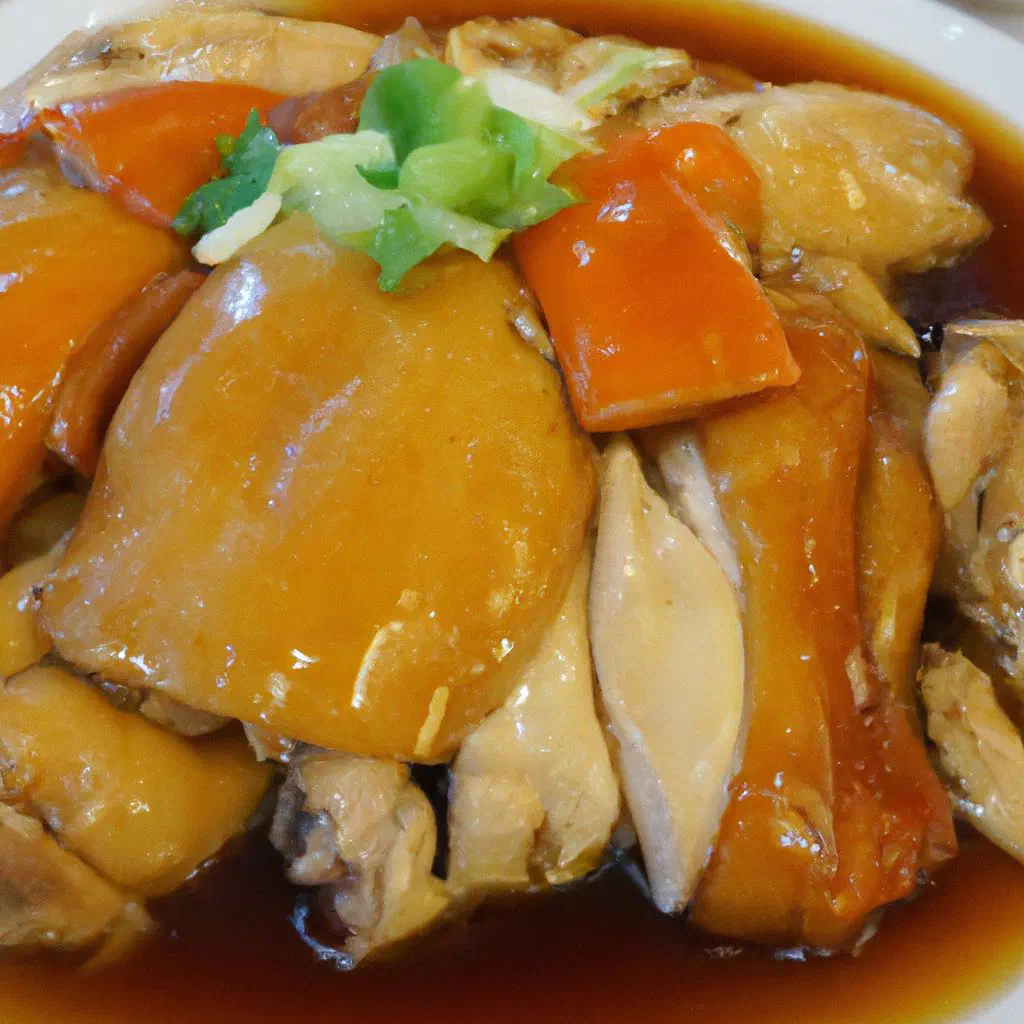
In this article
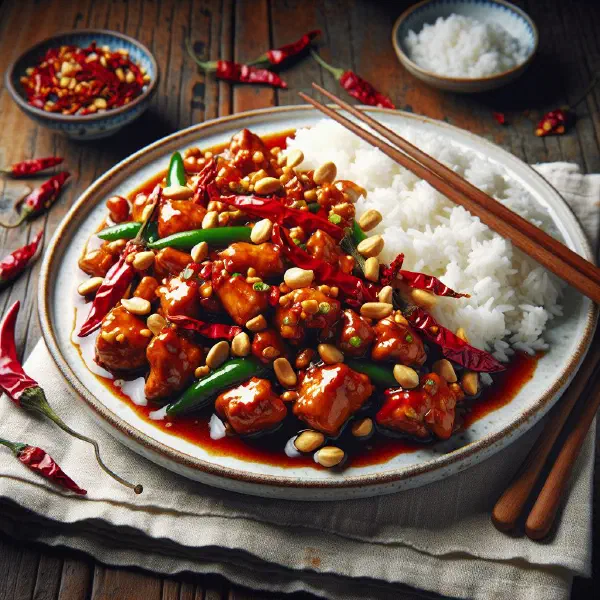
Discover Gong Bao Chicken, one of China’s most celebrated dishes. Hailing from the fiery kitchens of Sichuan, it delivers a thrilling balance of heat, sweetness and tang in every mouthful. Tender cubes of chicken meet crunchy peanuts and the unmistakable tingle of Sichuan peppercorns, all brought together in a glossy, savoury sauce. Simple to put together yet bursting with character, it is a takeaway favourite you can master at home.
About Gong Bao Chicken
Gong Bao Chicken, also known the world over as Kung Pao Chicken, is a legendary dish from the Sichuan kitchen of China, famous for its bold, spicy explosion of flavour. It has become a national dish in China and won admirers far beyond its borders. The dish owes its special character to the harmonious interplay of sautéed chicken pieces, crunchy peanuts and a distinctive mix of spices, chief among them the characteristic Sichuan peppercorns, which give that well-known tingling sensation on the tongue.
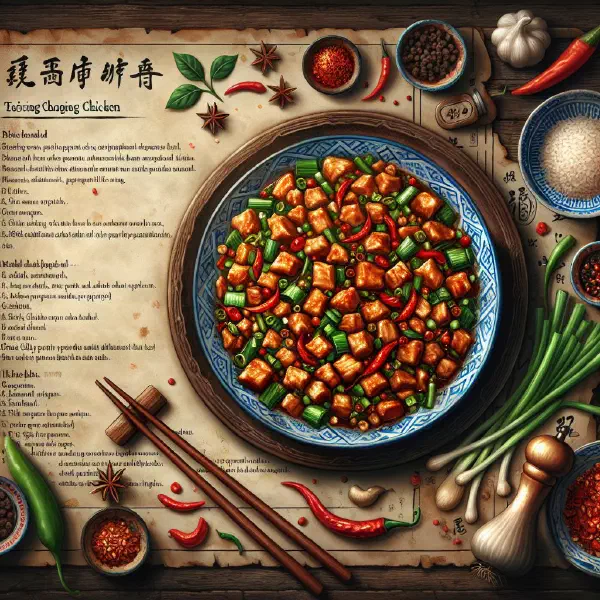
Ingredients (serves 1–2)
- 300g chicken breast, cut into cubes
- 3 tablespoons peanut oil
- 8–10 dried chillies
- 1 teaspoon Sichuan peppercorns
- 2 cloves garlic, finely chopped
- 1 piece of ginger (about 2cm), finely chopped
- 3 spring onions, sliced into rings
- 1 handful of unsalted peanuts
- Soy sauce, Chinese vinegar, sugar and cornflour (for the sauce)
Shopping for the ingredients
When shopping for an authentic Gong Bao Chicken, an Asian grocery is your best bet. There you will find the specialist ingredients such as Sichuan pepper and dried chillies that are essential to the dish’s signature aroma. Fresh staples like ginger and garlic are often of better quality here too. With the peanut oil, look for a pure product so you do not muddy that characteristic flavour.
Preparing the dish
Good preparation is half the battle. Cut the chicken into evenly sized cubes so it cooks through uniformly. Finely chop the garlic and ginger, and have the spring onions ready to go. Keep a separate bowl on hand for the sauce, in which you can whisk together soy sauce, Chinese vinegar, sugar and cornflour before you start cooking.
Step-by-step instructions
- Heat the peanut oil in a wok or large pan over high heat.
- Add the dried chillies and Sichuan peppercorns and fry briefly to release their aroma.
- Add the chicken cubes and stir-fry until almost cooked through.
- Tip in the garlic, ginger and half of the spring onions, stirring constantly.
- Deglaze with the prepared sauce and bring everything to a quick boil.
- Stir through the peanuts and let the dish continue to simmer until the sauce thickens.
- Serve scattered with the remaining spring onions.
Gluten-free / lactose-free version
Gong Bao Chicken is straightforward to make gluten-free. Simply swap the regular soy sauce for a certified gluten-free tamari, so the dish suits anyone with a gluten intolerance. As the recipe contains no dairy, it is naturally lactose-free, which makes it an easy choice for guests who avoid milk products.
Tips for vegans and vegetarians
This classic adapts beautifully for plant-based diets. Vegetarians and vegans can replace the chicken breast with firm tofu, which soaks up the spicy sauce wonderfully. Take care to choose a vegan-friendly soy sauce and double-check any pre-made blends for hidden animal products. With fresh ginger, garlic and plenty of crunchy peanuts, a meat-free version loses none of the dish’s signature appeal.
More tips and tricks
If the dish turns out too hot, you can add a little extra sugar or a splash of chicken stock to balance the heat. Cashew nuts also make a tasty alternative to peanuts and lend the dish a character all their own. For the best texture, keep your wok scorching hot and your ingredients moving, a brisk stir-fry keeps the chicken tender and the peanuts crisp.
Adapting the recipe to your taste
Not everyone likes things blisteringly hot. Reduce the number of dried chillies if you prefer a milder result, and feel free to dial the Sichuan pepper up or down to taste. Vegetarians can use tofu in place of the chicken breast, while a few extra peanuts or a handful of diced peppers can round the dish out exactly the way you like it.
Ingredient substitutions
If you cannot find Sichuan pepper, you can use black pepper with a touch of allspice instead to create a similar warmth. In place of peanut oil, rapeseed or sunflower oil will do the job, though the aroma will shift slightly. These small swaps make it easy to adapt the recipe to what you have in the cupboard, the same kitchen flexibility that comes in handy with dishes like Fish-Flavored Eggplant.
Drink pairing ideas
A cold beer goes wonderfully with the spicy Gong Bao Chicken, neatly offsetting the heat. A fruity white wine works well too, as does a traditional Chinese green tea served alongside the fiery food. Each of these helps cool the palate between mouthfuls and lets the layered flavours shine through.
Serving and presentation ideas
Serve the Gong Bao Chicken in an attractive deep plate or a bowl, scattered with fresh spring onions and, if you like, a little chopped coriander. A few slices of cucumber or radish around the rim add extra colour and freshness. Arranged alongside steamed rice and a side such as Chinese Broccoli with Garlic, it makes for an inviting spread.
A bit of history
The name “Gong Bao”, or “Kung Pao”, comes from a title bestowed on high officials in imperial China. The dish is particularly associated with Ding Baozhen, a provincial governor of Sichuan in the 19th century. It was reportedly his favourite dish, and from there its fame spread across China and, eventually, around the world. Today it is one of the best-loved ambassadors of Chinese cuisine.
More recipe ideas
Summary: Gong Bao Chicken
Gong Bao Chicken is a true classic of Chinese cooking, prized for its layered aromas and its singular combination of heat, sweetness and acidity. With the right preparation and the proper ingredients, you can recreate this dish authentically at home for a memorable taste experience. It brings the unmistakable spirit of Sichuan straight to your table.