National Dish China: Huai Yang Cuisine (Recipe)
In this article
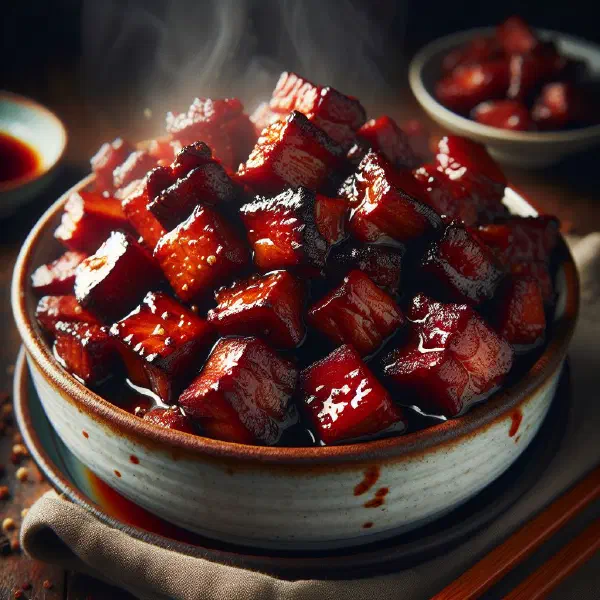
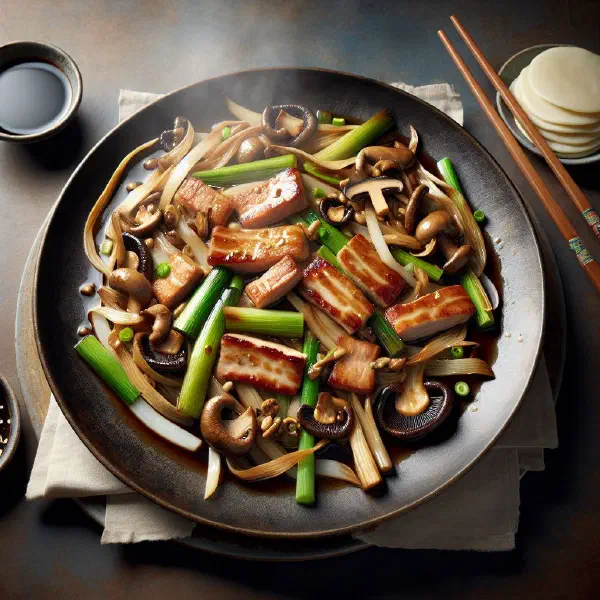
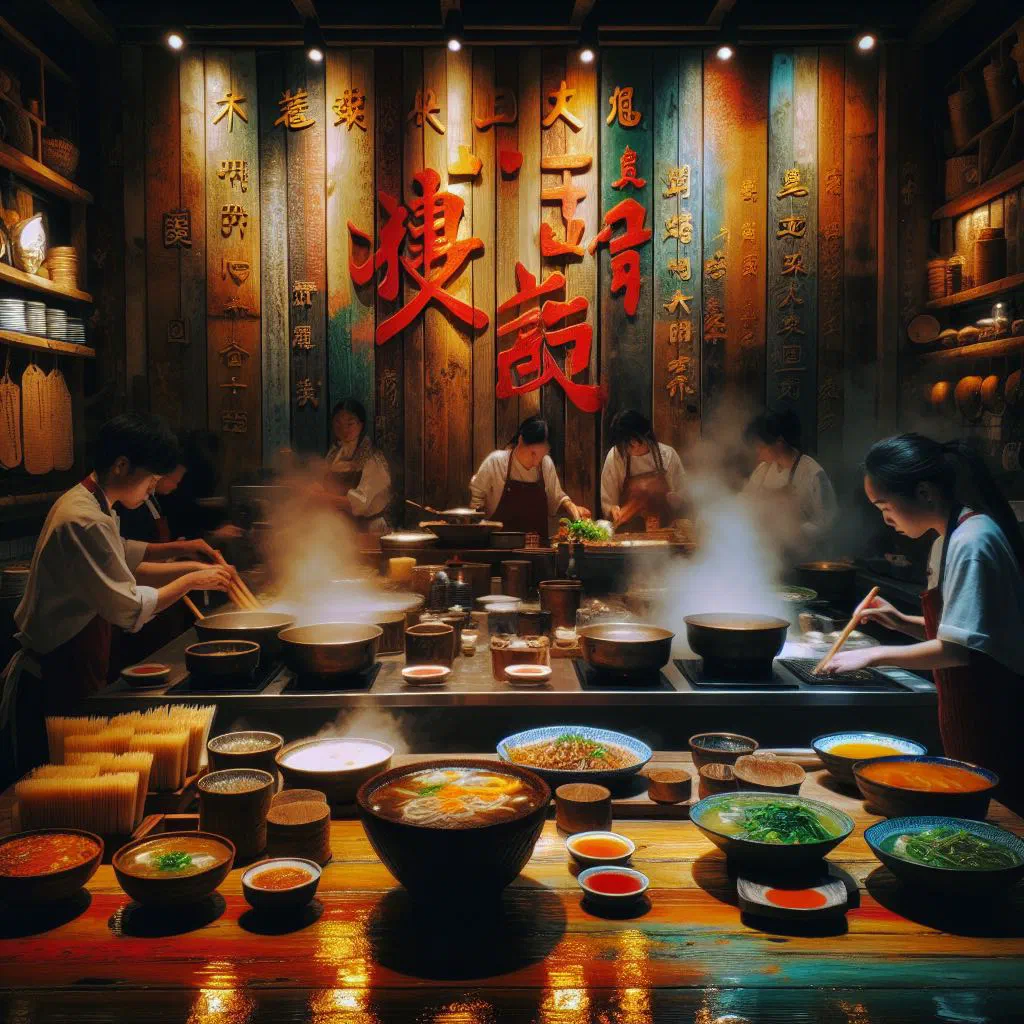
Step into the refined world of Huai Yang Cuisine, one of China’s four great classical cooking traditions. Born in the Jiangsu province, it is celebrated for its delicate balance of flavours and its elegant, almost painterly presentation. At its heart sits a beautifully simple dish of pan-fried pork glossed with soy sauce, where tender meat meets a fragrant, savoury glaze. Bring a touch of this time-honoured artistry to your own kitchen and discover why these dishes have pleased diners for centuries.
About Huai Yang Cuisine
Huai Yang Cuisine is one of the four classical cooking schools of China, hailing from the Jiangsu province. It is renowned for its refined flavours and its graceful presentations. Dishes from this region rely on fresh ingredients and traditional techniques such as steaming and braising, methods that preserve the natural freshness of each component while deepening its aroma. The result is an unmistakable taste experience that is as much about subtlety as it is about substance, much like the gentle, ingredient-led approach you find across Chinese cuisine.
Ingredients (serves 1–2)
- 300 g pork (e.g. neck or shoulder)
- 2 tablespoons soy sauce
- 1 tablespoon rice wine
- 1 teaspoon sugar
- 2 spring onions, chopped
- 1 piece of ginger, chopped
- 2 tablespoons vegetable oil
- Salt and pepper to taste
Shopping for the ingredients
When shopping for the ingredients, it is well worth paying attention to the quality of the meat. The pork should be fresh and of good quality to bring out the best flavour. The soy sauce and the rice wine should likewise be of high quality, as they set the main aromas of the dish. An Asian grocery will often carry a wider selection of these products, where you can compare brands and find more authentic options.
Preparing the dish
Before you begin cooking, slice the pork into thin pieces. This helps the meat cook evenly and take on more flavour. Finely chop the ginger and the spring onions too, as they are essential for building the dish’s aroma. Prepare all the remaining ingredients in advance so that the cooking itself runs smoothly and without interruption.
Step-by-step instructions
- Heat the vegetable oil in a pan and sauté the chopped spring onions and ginger.
- Add the prepared pork and fry until golden brown.
- Stir in the soy sauce, rice wine and sugar, mixing well.
- Reduce the heat and let the dish simmer for about 10 minutes, until the meat is cooked through and tender.
- Season with salt and pepper, then serve.
Gluten-free / lactose-free version
To make the dish gluten-free, simply use gluten-free soy sauce, which is available in many supermarkets and Asian shops. Lactose plays no part in this recipe, so it is naturally suitable for anyone who is lactose intolerant. Do take care to check that all the other ingredients you use are free from gluten and lactose as well, particularly any pre-mixed sauces.
Tips for vegans and vegetarians
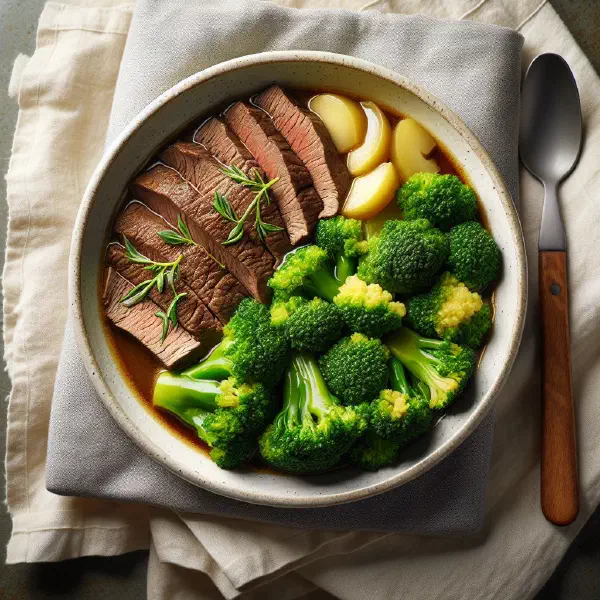
For a vegan or vegetarian version, you can swap the pork for tofu or vegetables. Tofu soaks up the soy sauce and seasonings beautifully. Vegetables such as broccoli, peppers or mushrooms also work well, adding extra texture and flavour. Remember to adjust the cooking time accordingly so that everything is perfectly tender.
More tips and tricks
To make the dish especially fragrant, try adding a little garlic and a pinch of chilli flakes. These give the dish a lovely warmth and depth. Make sure all your ingredients are fully prepared before you start cooking, as this lets you control the heat more confidently during preparation and helps prevent anything from catching or burning.
Adapting the recipe to your taste
This recipe is easy to tailor to your personal preferences. If you prefer it less sweet, reduce the sugar or leave it out altogether. If you would like more vegetables, simply use a little less pork and add more fresh produce instead. Experiment with different vegetables to shape the dish exactly to your liking.
Ingredient substitutions
If you do not have soy sauce to hand, you can replace it with tamari or a mixture of water and miso paste. The rice wine can likewise be swapped for cider or a splash of balsamic vinegar to introduce a different accent. Just make sure that any substitutes support the dish’s flavours rather than overpowering them. For a related savoury depth, the same soy-and-ginger harmony shines in Steamed Fish with Ginger and Soy.
Drink pairing ideas
This delicious dish pairs wonderfully with green tea or a light Asian beer. A fruity wine can also make an interesting choice if you fancy something a little out of the ordinary. Experiment with different options to discover what suits your palate best.
Serving and presentation ideas
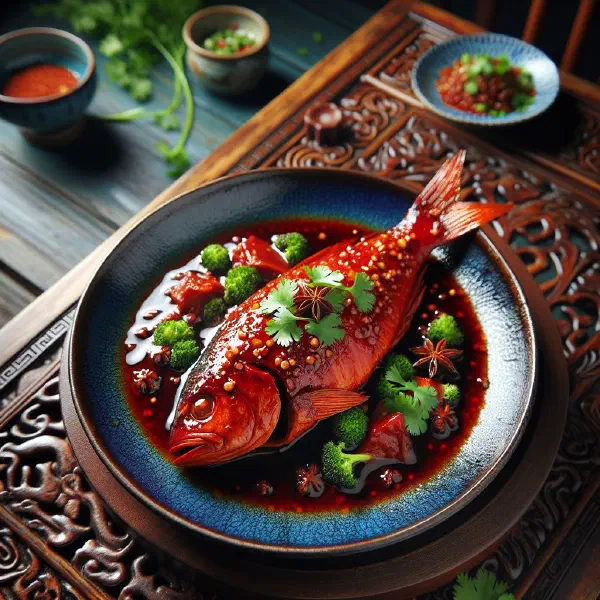
Serve the dish on a generous, attractive plate and garnish it with fresh herbs such as coriander or chives. Aim to combine the colours of the ingredients harmoniously. Add a few different components, such as crisp vegetables, to achieve an appealing variety of textures. Presentation matters here, as it heightens the anticipation and is very much in keeping with the elegance of Huai Yang tradition.
A bit of history
Huai Yang Cuisine has a long history, reaching back as far as the Qin dynasty. Its reputation for exquisite, delicate dishes has made it one of the most highly regarded cooking schools in China. Traditional techniques and recipes are passed down from generation to generation, ensuring the authenticity of the food. This way of cooking honours the culinary heritage and craftsmanship of the region.
More recipe ideas
Summary: Huai Yang Cuisine
In summary, this pan-fried pork with soy sauce is a wonderful example of the refinement that defines Huai Yang Cuisine. With simple but high-quality ingredients and easy-to-follow steps, you can prepare a delicious dish that pleases the palate and impresses the eye in equal measure. Experiment with the various adaptations and discover the variety this tradition has to offer. Let the aromas tempt you and enjoy cooking in your own kitchen.