National Dish China: Jiaozi (Recipe)
In this article
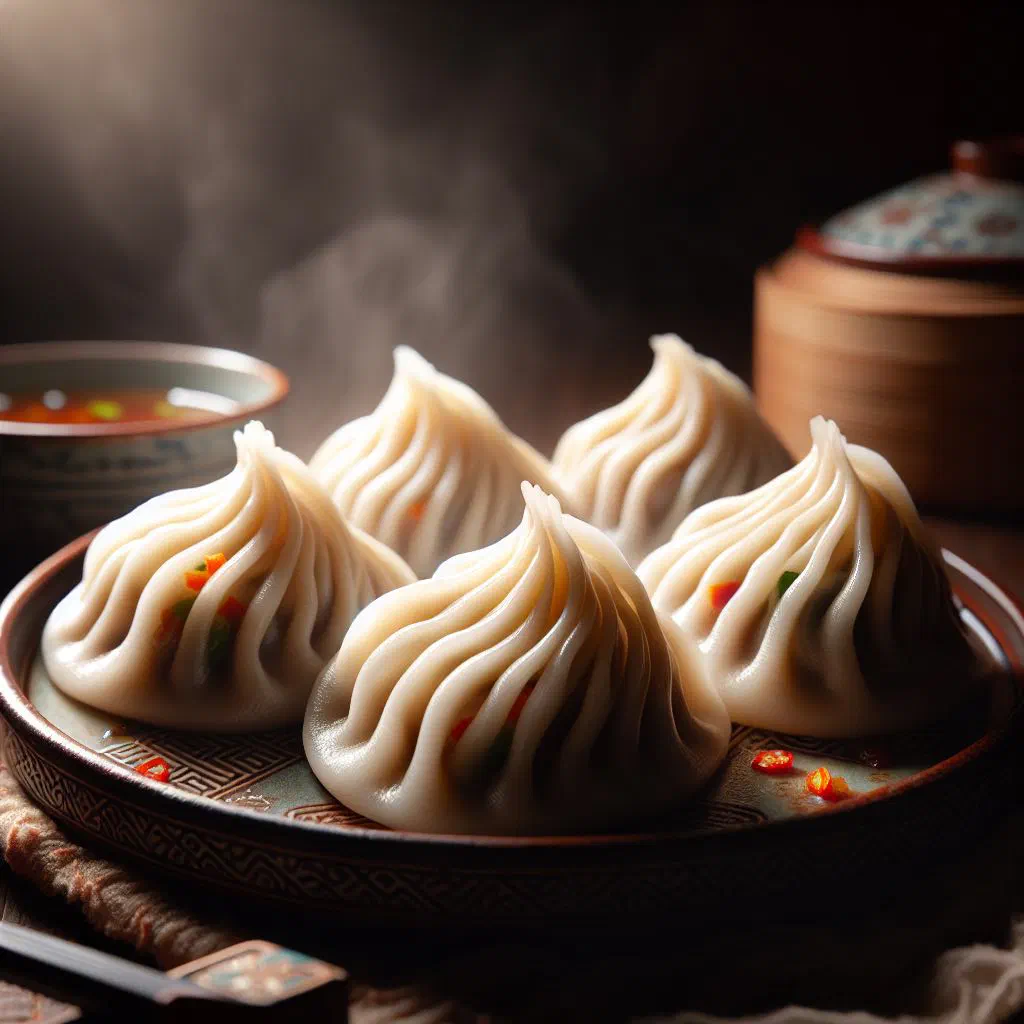
Discover Jiaozi, China’s beloved dumplings and a cornerstone of the country’s cuisine. Far more than a simple snack, these delicate pleated parcels are a true cultural treasure, especially at Chinese New Year. A savoury filling of meat and vegetables is wrapped in a tender, hand-folded wrapper, then boiled, steamed or pan-fried to perfection. Bring this cherished classic straight to your own kitchen and fold a little piece of Chinese tradition.
About Jiaozi
Chinese Jiaozi, known the world over as dumplings, are far more than just something to eat. They are a piece of culture and, for many, an essential part of the Chinese New Year celebrations. Their distinctive character comes from the marriage of a finely seasoned filling of meat and vegetables with the subtle taste of the wrapper, lovingly folded by hand into small works of art. It is this balance of flavours and textures, drawn out by boiling, steaming or frying, that makes jiaozi a delicacy adored right across China.
Ingredients (serves 1–2)
- 200 g plain wheat flour
- 100 ml warm water
- 150 g mixed minced meat (pork and beef)
- 200 g Napa cabbage, finely chopped
- 2 spring onions, finely sliced
- 1 garlic clove, finely chopped
- 1 piece of ginger (about 2 cm), finely chopped
- 2 tablespoons soy sauce
- 1 tablespoon sesame oil
- 1 teaspoon salt
- A pinch of sugar
- 1/2 teaspoon pepper
- 1 teaspoon Shaoxing wine (optional)
- Vegetable oil, for frying
Shopping for the ingredients
When shopping for jiaozi ingredients, choose fresh, good-quality produce wherever you can. Buy the minced meat on the day you plan to cook, if possible. Asian staples such as soy sauce, sesame oil and Shaoxing wine are easy to find in well-stocked supermarkets or specialist Asian grocers. Pay attention to the quality of your soy sauce, a naturally brewed sauce without additives is ideal and makes a real difference to the finished dish.
Preparing the dish
To save time, make the dough first and let it rest before you work with it. While it rests, prepare the filling and chop the vegetables and herbs nice and fine. Have every ingredient ready and within reach before you begin folding, as this step takes a bit of time and patience to get right.
Step-by-step instructions
- Mix the wheat flour with the warm water and knead into a smooth, elastic dough. Cover and leave to rest for 30 minutes.
- Combine the minced meat, Napa cabbage, spring onions, garlic, ginger, soy sauce, sesame oil, salt, sugar, pepper and Shaoxing wine in a bowl and mix thoroughly.
- Divide the dough into small portions and roll each one into a round. Place a tablespoon of the filling in the centre of each wrapper.
- Fold the wrapper around the filling and seal it using one of the traditional pleating techniques — or simply press the edges together to close.
- Bring a pan of water to the boil and add the jiaozi in batches. Once they rise to the surface, they are done and ready to serve.
- Optionally, pan-fry the boiled jiaozi briefly in a little oil to give them a crisp, golden base.
Gluten-free / lactose-free version
Jiaozi can be adapted for special diets with a little care. For a gluten-free version, swap the wheat flour for a gluten-free flour blend designed for dough, rice or tapioca starch helps it hold together. The classic recipe is naturally lactose-free, as it contains no dairy, so anyone avoiding lactose can enjoy these dumplings just as they are. That way every guest can tuck in without compromise.
Tips for vegans and vegetarians
For a vegan or vegetarian version, replace the minced meat with finely chopped tofu, mushrooms or other vegetables. Take care to use a vegan soy sauce, as some varieties can contain fish or other animal products. Shiitake mushrooms in particular add a wonderful savoury depth that stands in beautifully for meat, so you lose none of the satisfying character of the original.
More tips and tricks
The secret to perfect jiaozi lies in the filling and in the art of folding. Practise the different pleating techniques to give your dumplings a professional finish. It is just as important not to overfill them, so they do not split open while cooking. Keep the wrappers under a damp cloth as you work, too, so they stay supple and easy to seal.
Adapting the recipe to your taste
This recipe is easy to tailor to your own preferences. Add a spoonful of chilli oil to give the jiaozi a fiery kick, or swap the meat filling for a vegetarian alternative such as tofu or shiitake mushrooms. You can vary the vegetables too. Try adding chives, carrot or water chestnut for extra crunch and freshness in every bite.
Ingredient substitutions
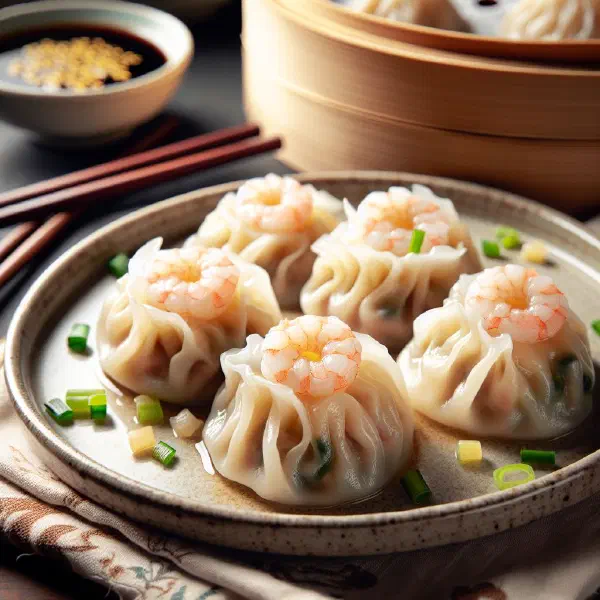
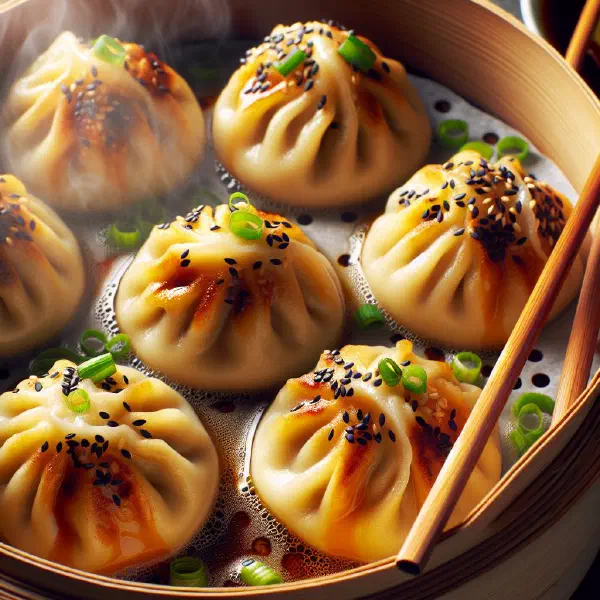
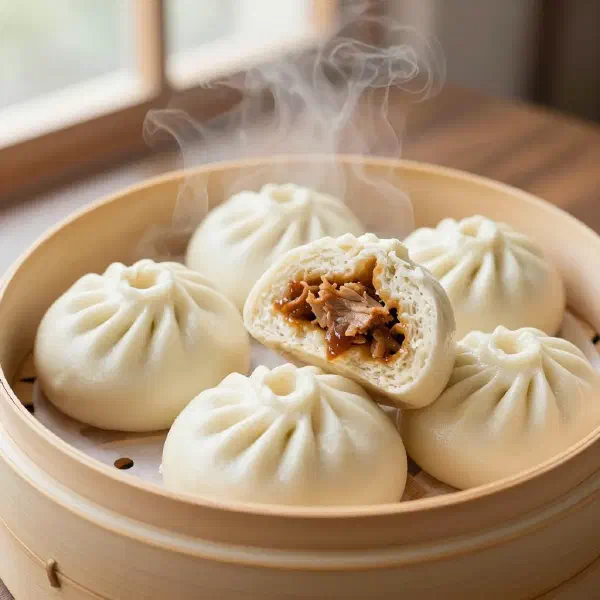
If certain ingredients are not to hand, there are plenty of creative alternatives. Napa cabbage can be swapped for finely shredded white cabbage or pak choi, while the pork-and-beef mix works equally well with minced chicken or turkey. The same dumpling skills carry across to other parcels, from delicate Shaomai to pan-fried Sheng Jian Bao. Substitutions like these let you adapt the recipe to what you have in the kitchen.
Drink pairing ideas
A traditional Chinese tea such as jasmine or oolong is a superb match for jiaozi, lifting the flavours of the food without overpowering them. In some regions of China, a refreshing glass of cold milk is the classic accompaniment. A light, fragrant tea also helps cut through the richness of the filling, leaving the palate clean between bites.
Serving and presentation ideas
Presentation can make jiaozi feel really special. Serve the dumplings on an attractive plate with a small dish of soy sauce mixed with a drop of sesame oil for dipping. Scatter fresh herbs or finely sliced spring onions over the top to add colour and flavour. A little chilli oil or black vinegar on the side rounds out the spread and invites everyone to dip and share.
A bit of history
Zhāng Zhòngjǐng is credited with inventing jiaozi more than 1,800 years ago. They were originally eaten around the Chinese New Year to bring wealth and good fortune for the year ahead, their shape is said to recall ancient gold ingots. Today jiaozi are a firm fixture of Chinese cuisine and are loved the world over, enjoyed both at festive gatherings and as everyday comfort food.
More recipe ideas
Summary: Jiaozi
Jiaozi are a versatile and utterly delicious dish, equally suited to special occasions and to an everyday meal. With a little practice in the folding, they quickly become the highlight of any table. Whether boiled, steamed or pan-fried, these hand-folded dumplings capture the warmth and tradition of Chinese cooking. Let this classic inspire you and give it a try, your taste buds will thank you.