National Dish China: Luosifen (Recipe)
In this article
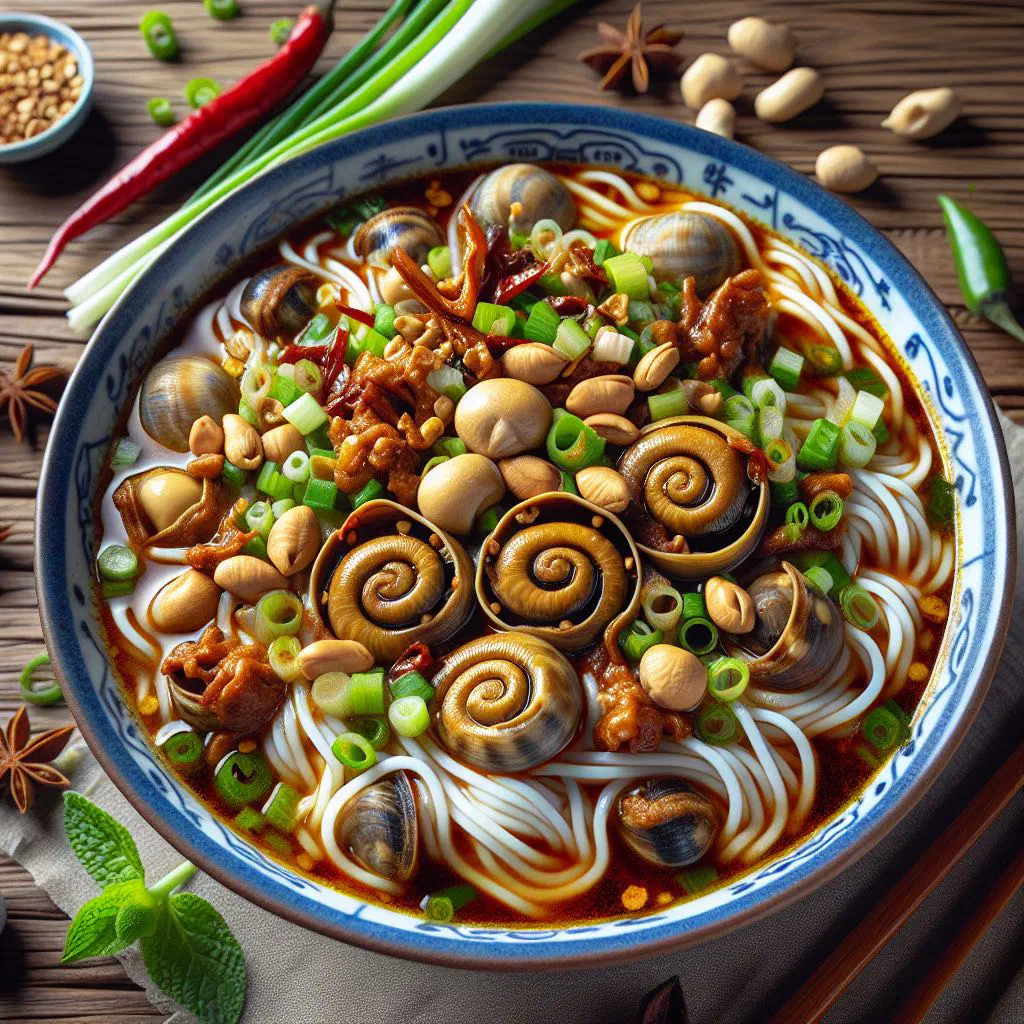
Discover Luosifen, the bold rice noodle soup that put the city of Liuzhou in Guangxi province firmly on the culinary map. Far more than a quick bowl of noodles, it is an experience built on a striking balance of spicy, sour and deeply umami flavours. Slippery rice noodles bathe in a fragrant broth, finished with crunchy peanuts, tangy fermented bamboo shoots and a flurry of fresh herbs. Bring a taste of southern China straight to your own kitchen.
About Luosifen
Luosifen is far more than a simple rice noodle soup; it is a culinary experience that captures the flavours of Guangxi province. This celebrated speciality stands out for its unique taste, bringing together spicy, sour and umami notes in a single bowl. The ingredients are not only fresh but wonderfully varied and wholesome. Fermented bamboo shoots, roasted peanuts and fragrant herbs turn the dish into a genuine feast for the senses, and the result is a hearty, satisfying bowl that has won fans well beyond its home region.
Ingredients (serves 1–2)
- 100 g rice noodles
- 500 ml vegetable stock
- 100 g fermented bamboo shoots
- 50 g peanuts (roasted)
- 1–2 fresh chillies (to taste)
- 1 lime (juice and zest)
- Fresh herbs (such as coriander and spring onions)
- Soy sauce, to season
- Chilli oil (optional)
Shopping for the ingredients
Shopping for luosifen is an exciting part of the cooking process. An Asian grocery is the best place to track down the more specialist items, such as fermented bamboo shoots and the right seasonings. The rice noodles come in several varieties, so make sure you choose ones suited to soups. If you do not have time to hunt these ingredients down in person, many of them can also be ordered online.
Preparing the dish
Before you start cooking luosifen, it is important to get all the ingredients ready. Make sure the rice noodles are cooked according to the packet instructions so they reach the right texture. Wash the fresh herbs thoroughly and chop them into small pieces. This makes for an attractive bowl and delivers the best flavour in every mouthful.
Step-by-step instructions
- Bring a pan of water to the boil and cook the rice noodles for around 4–6 minutes, until al dente.
- Heat the vegetable stock in a separate pan and add the fermented bamboo shoots.
- Add chillies to the broth to taste, until you reach the level of heat you want.
- Tip the cooked rice noodles into a bowl and ladle over the hot broth.
- Garnish with roasted peanuts, fresh herbs, lime juice and chilli oil (if using).
Gluten-free / lactose-free version
It is perfectly possible to make luosifen both gluten-free and lactose-free. Use gluten-free rice noodles and swap the soy sauce for a gluten-free version or tamari. Take care, too, that the broth contains no hidden sources of gluten. Fresh herbs and vegetables add plenty of extra flavour with no need for any dairy at all.
Tips for vegans and vegetarians
Vegans can enrich luosifen with a plant-based protein to give the dish more substance. Replace shop-bought stock with a homemade vegetable stock made from fresh ingredients for a deeper flavour. Tofu makes an excellent protein source to round out the bowl. Just be sure that every sauce and seasoning you reach for is genuinely vegan.
More tips and tricks
To intensify the flavour of luosifen, let the broth simmer for long enough that the aromas have time to develop fully. Experiment with different combinations of herbs and spices to tailor the dish to your taste. A little garlic or ginger can add welcome extra depth, much as it does in a bowl of Dan Dan Noodles. Garnish generously to achieve an inviting presentation in the bowl.
Adapting the recipe to your taste
Everyone has different preferences when it comes to flavour and heat. If you like your luosifen milder, simply reduce the amount of chilli or leave it out altogether. For extra flavour, you can add more vegetables, such as courgette or carrot.
Ingredient substitutions
If some ingredients for luosifen prove hard to find, there are plenty of tasty alternatives. The fermented bamboo shoots, for example, can be replaced with other pickled vegetables. In place of the peanuts you might use sunflower seeds, which also makes the dish nut-free. For the broth, a vegetable bouillon or homemade stock works well and gives a slightly different flavour, the same wholesome base that lifts a bowl of Wonton Soup.
Drink pairing ideas
A range of drinks pairs nicely with luosifen and complements the meal. A lightly chilled green tea is an excellent choice, as it supports the dish’s flavours in a gentle, harmonious way. Alternatively, a fresh sparkling water or a tangy lemonade broadens the range of flavours on the table. For those who fancy something with a little more punch, an aperitif makes an interesting option.
Serving and presentation ideas
Presentation can lift the whole luosifen experience. Use colourful vegetables and fresh herbs as a garnish to make the bowl look bright and alive. Serve the soup in stylish, deep bowls that bring out the colours of the ingredients. Small dishes of extra toppings for guests to add themselves can enhance the meal further and lend it an interactive feel.
A bit of history
The origins of luosifen lie in the city of Liuzhou in Guangxi province, where it is deeply rooted in the culture and traditions of the region. As rice noodles spread across China, the dish too made a name for itself well beyond its home. Today it is a byword for regional cooking and enjoys huge popularity internationally. This rice noodle soup tells a story of home and tradition in one flavourful bowl, and remains a standout example of Chinese cuisine.
More recipe ideas
- Yunnan Over the Bridge Noodles
- Wonton Soup
- Spicy Cabbage Stir-fry
- Biang Biang Noodles
- Stir-Fried Lotus Root
Summary: Luosifen
Luosifen is a fascinating rice noodle soup from the Guangxi region, winning hearts with its spicy, sour and umami flavours. The ease with which the recipe can be adapted to personal preference makes it a flexible dish for any occasion. Dive into the world of Chinese cooking and give luosifen a try, a memorable taste experience awaits you.