National Dish China: Nian Gao (Recipe)
In this article
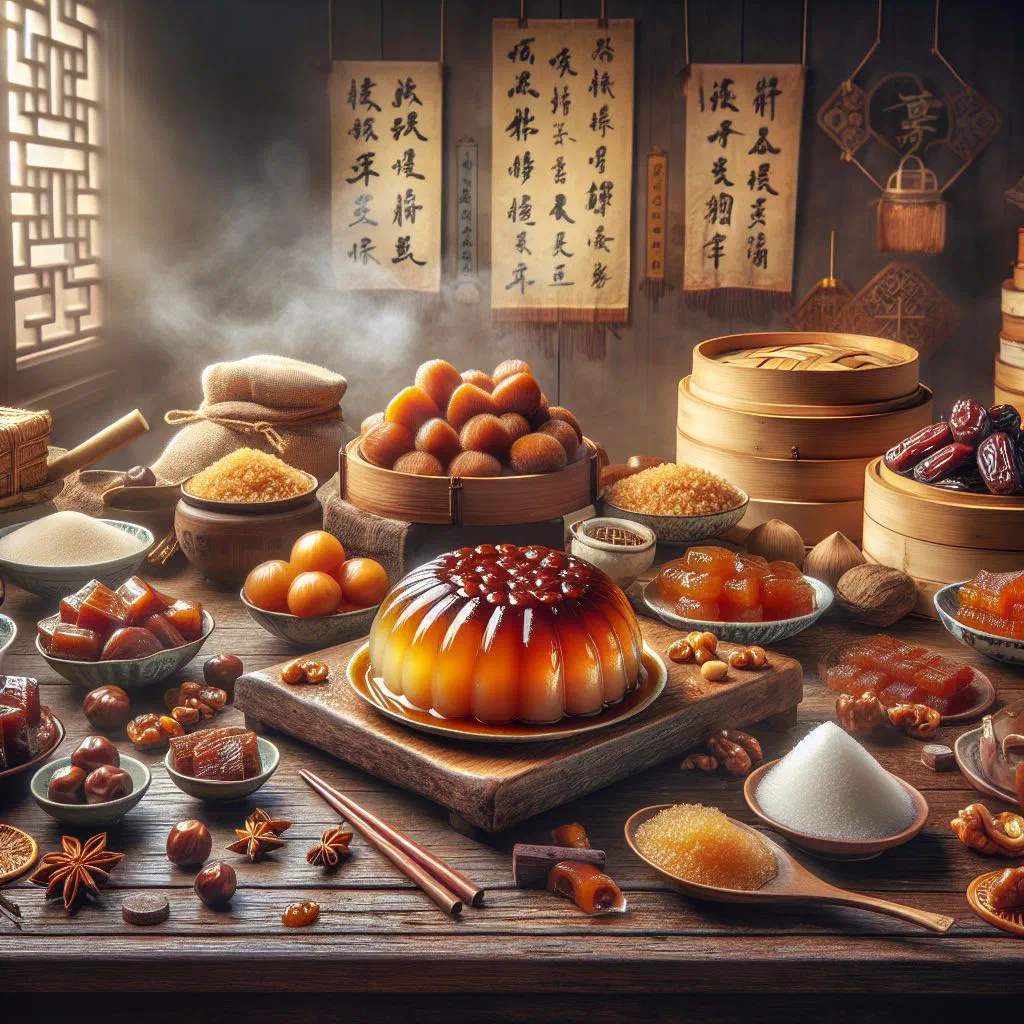
Discover Nian Gao, the sweet, chewy rice cake at the heart of the Chinese New Year table. With its glossy surface and satisfyingly sticky bite, this steamed treat is as much a symbol of good fortune as it is a delicious end to a meal. Made from little more than rice flour, sugar and water, it carries centuries of tradition in every slice. Bring a taste of festive China into your own kitchen with this timeless classic.
About Nian Gao
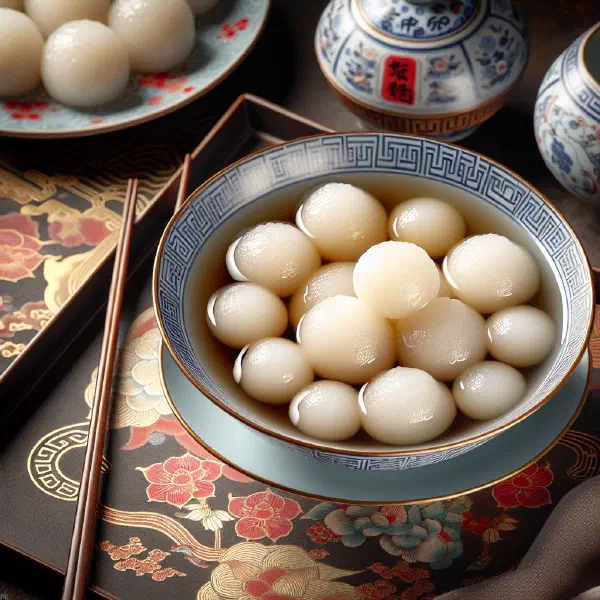
Nian Gao is a fascinating traditional dish from China, made primarily from rice flour. It is especially associated with the Chinese New Year, when it is served because it stands for prosperity and good fortune. The dish is prized for its sweet, chewy flavour and as an important symbol within Chinese culture, appearing at festive gatherings and family celebrations across the country. Few sweets capture the spirit of the season quite so well.
Ingredients (serves 1–2)
- 200 g rice flour
- 150 ml water
- 50 g sugar
- 1 pinch of salt
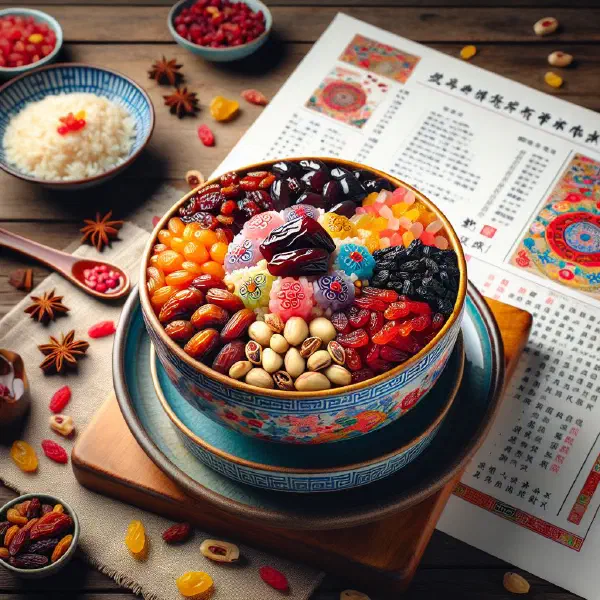
- Optional: 50 g dates or your favourite fruit
Shopping for the ingredients
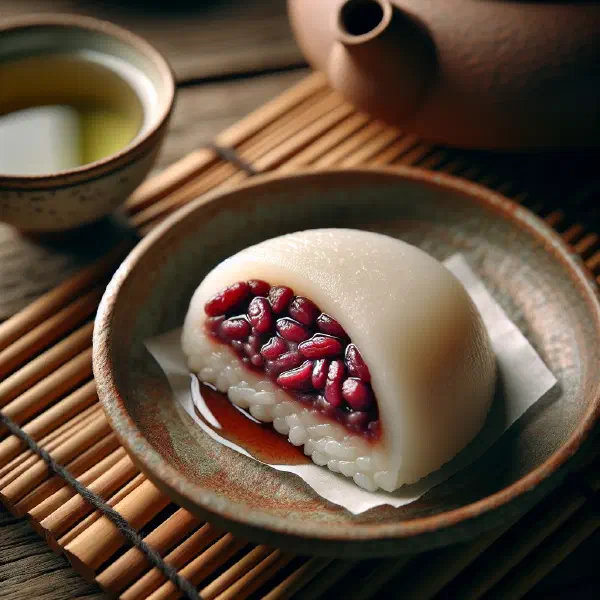
When shopping for the ingredients for nian gao, it is well worth paying attention to the quality of the rice flour. Rice flour is widely available in Asian supermarkets and can often be ordered online too. For the sweetness, choose a good-quality sugar to enrich the flavour profile. If you like, you can add fresh fruit such as dates to make the dish even more interesting. The same sticky-rice base also stars in the festive Rice Cakes with Red Bean Paste.
Preparing the dish
Before you begin making nian gao, it is important to weigh and prepare the ingredients carefully. Measure out the exact amounts of rice flour, water and sugar to achieve the perfect consistency and level of sweetness. Make sure all the ingredients are at room temperature so that they blend together evenly. This small bit of groundwork will help the cooking go smoothly and keep the whole process simple.
Step-by-step instructions
- Combine the rice flour, sugar and salt thoroughly in a bowl.
- Slowly add the water, stirring until you have a smooth batter.
- Pour the mixture into a greased tin and spread it out evenly.
- Steam over medium heat for around 30–40 minutes.
- Once steamed, let the nian gao cool, then cut it into pieces.
Gluten-free / lactose-free version
Nian Gao is easily turned into a gluten-free version simply by using gluten-free rice flour. For a lactose-free version, it is worth checking that all the ingredients, including the sugar, are free from lactose. As a rule the main ingredients of nian gao are already lactose-free, so there is little to worry about, though it always pays to read the labels carefully, particularly on ready-made products.
Tips for vegans and vegetarians
Most of the ingredients in nian gao are naturally vegan. You can be confident that rice flour and sugar contain no animal products. Just take care that any fruit or fillings you use are vegan too. You can also add other plant-based ingredients to vary the flavour and boost the nutritional value, making this an easy treat to suit every kind of diet.
More tips and tricks
If you would like to keep your nian gao after making it, store it in an airtight container in the fridge, where it will stay fresh for up to a week. To refresh the texture, dip a few pieces briefly in water and then steam them again. This brings back the chewy texture and makes the nian gao even more delicious when served a second time.
Adapting the recipe to your taste
Nian Gao is a wonderfully flexible dish that can be tailored entirely to your own preferences. You might, for example, combine different fruits or nuts to create interesting flavour pairings. The sweetness of the nian gao can also be adjusted simply by changing the amount of sugar. Experiment with the ingredients to find your favourite versions and to reinterpret the dish in your own way.
Ingredient substitutions
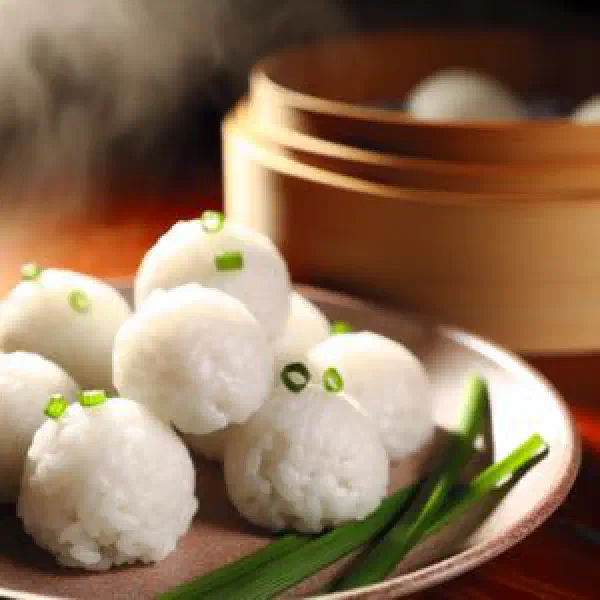
If you do not have rice flour to hand, you can also use black rice or glutinous rice to achieve a different flavour. For extra sweetness, honey or agave syrup make suitable alternatives to sugar. Instead of water, you might try coconut milk, which lends the dish a creamy note, much as it does in Glutinous Rice Balls. Bear in mind, though, that changes like these can affect the consistency of the nian gao.
Drink pairing ideas
Nian Gao pairs beautifully with a range of drinks. A traditional green tea makes a wonderful accompaniment, rounding off the flavours of the dish perfectly. Alternatively, you could serve jasmine tea or a lightly sweetened soy milk shake. These drinks offer a refreshing balance and help to offset the sweetness of the nian gao.
Serving and presentation ideas
For an appealing presentation, arrange the nian gao on a handsome plate and decorate it with fresh fruit. You might also offer an alcohol-free fruit sauce or some coconut milk on the side to make the dish even more inviting. The interplay of colours brings visual variety and enriches the whole dining experience. Make sure the table is nicely laid to highlight the festive occasion.
A bit of history
Nian Gao has a long history that reaches back to the Han dynasty. The name “Nian Gao” (年糕) is said to derive from the Chinese words for “year” (年) and “high” (高), standing for growth and progress. Eating nian gao at New Year symbolises that the coming year will bring advancement and prosperity. This is not merely a treat but a part of the tradition that makes the Chinese New Year so special, a celebration that also gives us festive favourites like Mooncakes within the wider world of Chinese cuisine.
More recipe ideas
Summary: Nian Gao
In short, Nian Gao is an exceptionally versatile and traditional Chinese dish that can be prepared both as a festive treat and as a quick snack. Its simple preparation and the scope for adaptation make it an excellent choice for cooks of every level. Through its cultural and historical significance and its unique flavour, nian gao offers a rich experience that connects the generations. Give our recipe a try and bring a piece of Chinese culture into your own kitchen.