National Dish China: Sheng Jian Bao (Recipe)
In this article
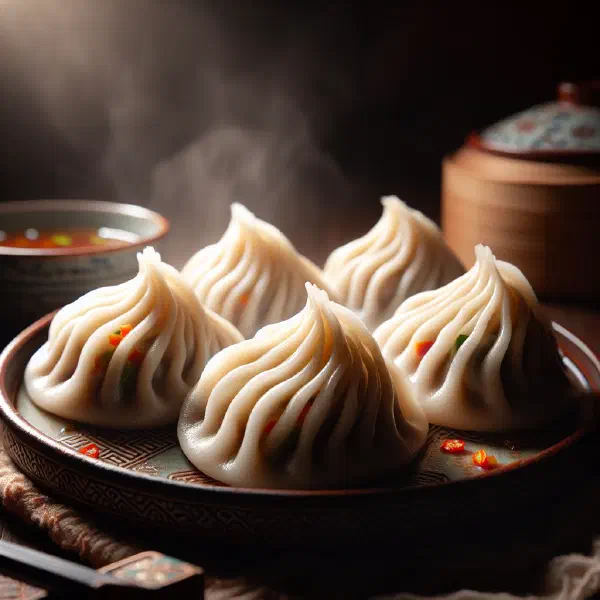
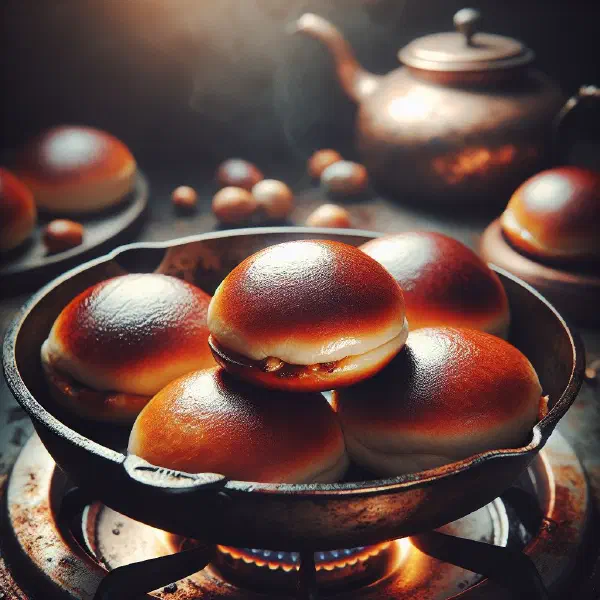
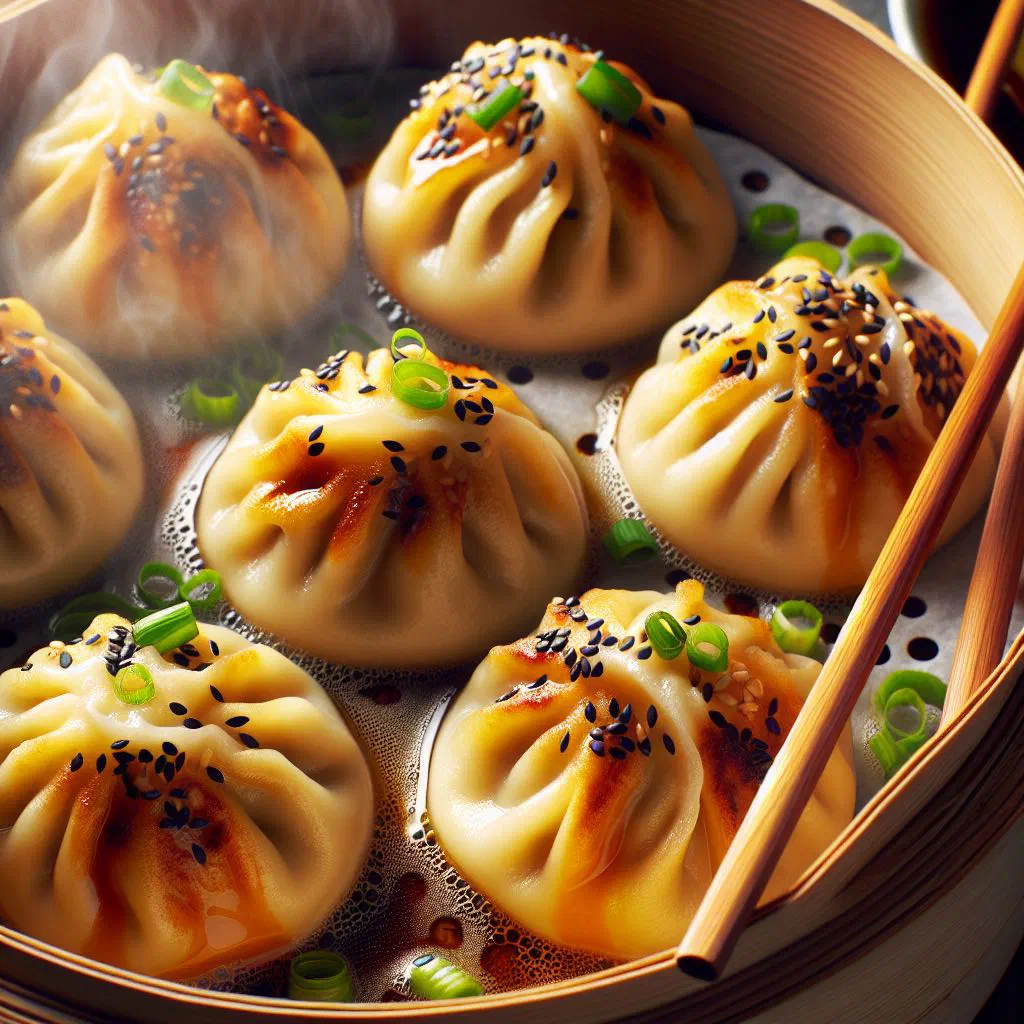
Meet Sheng Jian Bao, one of Shanghai’s most addictive street snacks. These plump little buns are pan-fried until the bottoms turn deeply golden and crisp, then finished with a splash of water under a lid so the tops steam soft and pillowy. Inside, a juicy pork filling perfumed with ginger and soy sauce waits to be discovered. Half dumpling, half bread roll, they bring the buzz of a Shanghai morning market right to your own kitchen.
About Sheng Jian Bao
Sheng Jian Bao trace their origins back to the city of Shanghai, where they have been a favourite street food for many years. What makes these pan-fried buns so special is the method: after an initial fry, they are cooked in a covered pan so they develop a wonderfully crisp base and a soft, steamed top. People love sheng jian bao for their flavour and for the stories and traditions tied to them. They are far more than a snack. They are a genuine piece of China’s culinary heritage.
Ingredients (serves 1–2)
- 250 g plain flour
- 150 ml water
- 200 g minced pork
- 1 spring onion
- 1 teaspoon fresh ginger, grated
- 2 tablespoons soy sauce
- 1 tablespoon sesame oil
- Salt and pepper, to taste
- Oil, for frying
- Water, for steaming
Shopping for the ingredients
To make sheng jian bao, you will want fresh, good-quality ingredients. Look for good-quality minced pork with a reasonable fat content, as this is key to a juicy, flavourful filling. The flour should be fresh too, to give the dough its best texture. The spring onion and ginger bring a bright, savoury lift that pairs beautifully with the meat. Most of these are easy to find in a regular supermarket, while specialist items can be picked up at an Asian grocery.
Preparing the dish
Before you start cooking sheng jian bao, lay out all your ingredients ready to go. Begin with the dough by tipping the flour into a bowl and slowly adding warm water until you have a smooth, supple dough. Leave it to rest for at least 30 minutes so it becomes elastic. In the meantime, prepare the filling by combining the minced pork with the other ingredients, such as soy sauce and sesame oil, until everything is evenly mixed.
Step-by-step instructions
- Roll the dough out thinly on a floured surface and cut it into small circles.
- Place roughly a tablespoon of the filling in the centre of each dough circle.
- Gently fold the edges of the dough upwards and pinch them together to seal the bun.
- Heat a little oil in a pan and arrange the buns flat-side down.
- Add the water, put the lid on the pan and steam the buns for a few minutes until cooked through.
- Once steamed, remove the lid and fry the buns for a few more minutes until the bottoms turn crisp.
Gluten-free / lactose-free version
For a gluten-free version of sheng jian bao, simply swap in gluten-free flour. Combine it with the right binders, such as xanthan gum or guar gum, to achieve the texture you are after. For the filling, you can use an alternative protein like tofu or vegetables in place of the minced meat. These tweaks mean that people with food intolerances can enjoy these delicate flavours too. As the buns contain no dairy, they are naturally lactose-free.
Tips for vegans and vegetarians
For vegan sheng jian bao, the filling is easy to adapt. Instead of minced pork, reach for plant-based alternatives such as tempeh or seitan. Be sure to add plenty of seasoning and umami-rich flavours to give the dish real depth. Fresh vegetables like carrots or mushrooms also make a delicious addition and bring welcome variety to your buns. Vegan sheng jian bao are every bit as tasty while offering a lighter alternative, much like the meat-free spin you can give Wonton Soup.
More tips and tricks
One important tip when making sheng jian bao is getting the temperature right during frying. Start with a higher heat to crisp up the bases, then lower it once you add the water. To make sure the buns cook evenly, check that the pan lid closes snugly so the steam stays trapped inside. It is also well worth experimenting with different fillings to discover your own favourite combinations. There is really no limit to your creativity.
Adapting the recipe to your taste
The great thing about sheng jian bao is how easily they can be adapted. Depending on your preference, vary the filling by using different meats or seasoning styles. For a spicier version, add chilli or sriracha. If you prefer a touch of sweetness, a little honey or brown sugar gives a nicely balanced flavour. That way you are sure to land on the perfect recipe for you and your guests.
Ingredient substitutions
If you do not have every ingredient to hand, there are plenty of alternatives to fall back on. Minced beef, for instance, can replace the pork if you would rather use less fat. For a heartier filling, chicken or turkey works well too, the same lean poultry that shines in dishes like Three-Cup Chicken. Experiment with different spices or herbs to create new flavour directions, keeping the dish exciting and full of variety.
Drink pairing ideas
Sheng jian bao pair wonderfully with a range of drinks. For an authentic experience, green tea or oolong tea are ideal, as they complement and refresh the palate alongside the rich filling. If you fancy something fizzier, try an Asian pear or jasmine soda. For special occasions, a fine Asian rice wine rounds off a plate of sheng jian bao beautifully.
Serving and presentation ideas
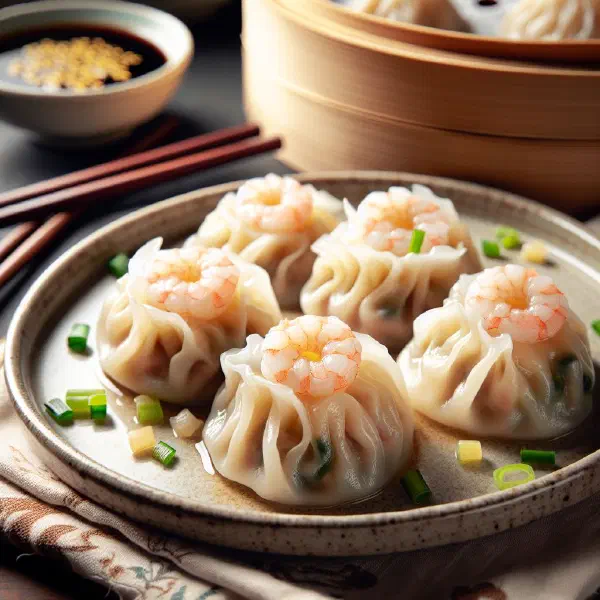
The way you present sheng jian bao can lift the whole experience. Serve the buns on a large, decorative plate with chilli sauces or dips for dunking. Scatter over fresh herbs or spring onions as a garnish to add a splash of colour. Small bowls of sesame or coconut on the side boost the visual appeal and turn the dish into a real centrepiece on any table, a flourish that works just as well for Shaomai.
A bit of history
Sheng jian bao look back on a history spanning many years. Originally sold on the streets of Shanghai, they quickly grew into one of the most popular snacks across China. Their distinctive cooking process and the marriage of dough and filling explain their enduring success. In many families they are also part of traditional celebrations and gatherings, underlining the deep cultural significance of these buns within Chinese cuisine.
More recipe ideas
Summary: Sheng Jian Bao
In short, sheng jian bao offer an exciting and delicious way to experience traditional Chinese flavours. The combination of crisp, golden dough and a juicy filling makes them a highlight in any kitchen. The recipe is easy to adapt, which means it suits a wide range of tastes and diets. Bring a little piece of China into your home with this recipe and enjoy the simple pleasure of cooking and feasting.