National Dish China: Stir-Fried Lotus Root (Recipe)
In this article
Discover the appeals to of Chinese cooking with Stir-Fried Lotus Root, a dish that celebrates one of the kitchen’s most intriguing vegetables. This crisp root has a wonderfully nutty flavour and a satisfying crunch that holds its own against bold aromatics. Quick to put together and naturally vegan, it makes a brilliant side or a light main, and this guide walks you through every step, along with tips for gluten-free and plant-based versions, and a glimpse of the dish’s long history.
About Stir-Fried Lotus Root
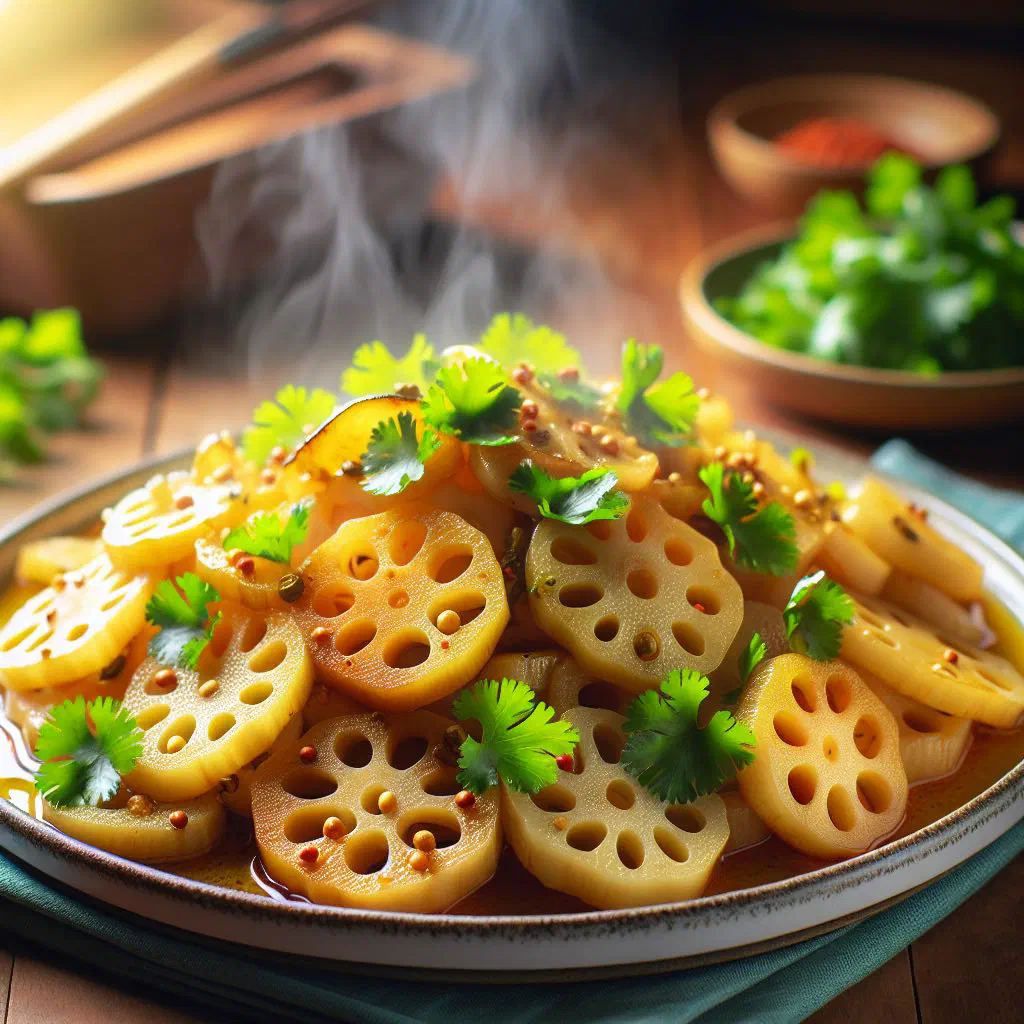
Stir-fried lotus root is a delicious and fascinating dish that reflects the sheer variety of Chinese cuisine. This root vegetable offers a unique flavour and an unmistakable, crunchy texture. Cooked properly, the slices take on a nutty aroma that makes them the perfect partner for a whole host of other ingredients. Let’s dive into the preparation and the lovely flavours this humble ingredient has to offer.
Ingredients (serves 1–2)
- 300 g fresh lotus root
- 2 tablespoons soy sauce
- 1 tablespoon sesame oil
- 2 cloves garlic, finely chopped
- 2 spring onions, sliced into rings
- 1 teaspoon fresh grated ginger
- 1 teaspoon sugar
- Salt and pepper, to taste
Shopping for the ingredients
Once you are ready to make stir-fried lotus root, the first step is shopping for the ingredients. Lotus root is available in Asian grocery shops and some larger supermarkets. When buying, look for fresh, firm roots with an even colour throughout. Alongside the lotus root, make sure fresh garlic cloves and spring onions land in your basket too, as these will sharpen and lift the flavour of the finished dish.
Preparing the dish
Good preparation is the key to getting the most out of your stir-fried lotus root. Start by cleaning the roots thoroughly and peeling away the outer layer. Then slice them into thin rounds, which is important for an even cooking time. Prepare the other ingredients, the garlic and spring onions, as well, so that everything is within easy reach while you cook.
Step-by-step instructions
- Heat the sesame oil in a pan over medium heat.
- Add the chopped garlic and the freshly grated ginger and fry briefly until fragrant.
- Add the sliced lotus root to the pan and stir-fry for about 5–7 minutes, until golden brown and tender.
- Add the soy sauce, sugar, and salt and pepper, and toss everything well so the roots soak up the flavours.
- Finally, add the spring onions and warm through briefly before taking the dish off the heat.
Gluten-free / lactose-free version
For a gluten-free and lactose-free take on stir-fried lotus root, simply use a gluten-free soy sauce. Check the labels when shopping and make sure every product you use is free from gluten. Instead of sugar, you can also reach for honey or agave syrup to achieve the level of sweetness you prefer. That way you can enjoy a delicious dish that suits a wide range of diets.
Tips for vegans and vegetarians
Stir-fried lotus root is naturally vegan and vegetarian, but it is still worth checking every ingredient you use. Make sure the soy sauce contains no animal products. In place of sugar, vegans can also use alternative sweeteners. This dish is an excellent choice for anyone who loves plant-based cooking, as it is both healthy and nourishing.
More tips and tricks
A few simple tips can make your stir-fried lotus root even better. Take care not to slice the roots too thickly; thinner rounds cook more evenly and more quickly. Experiment with extra seasonings such as chilli or pepper if you like a bit of heat. Remember to serve the dish straight after cooking, as the lotus root can lose its crunch if it stands around for too long.
Adapting the recipe to your taste
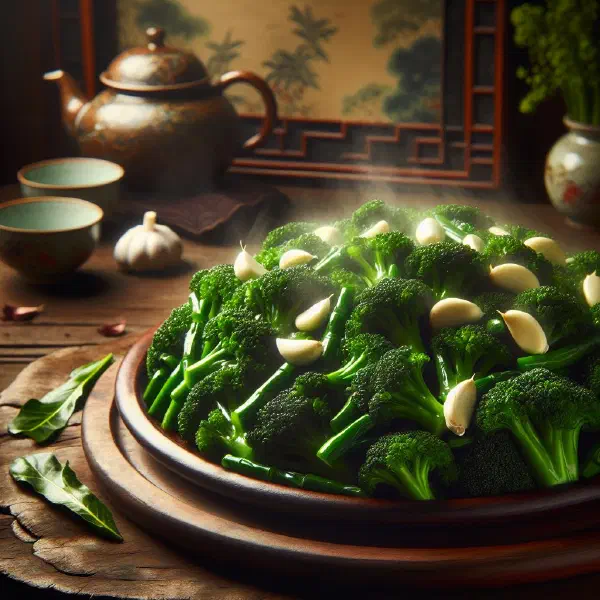
The recipe for stir-fried lotus root is wonderfully adaptable and can be tweaked to suit your personal preferences. Add vegetables such as peppers or broccoli, for example, to bring in more colour and nutrients, much like the bright greens that shine in Chinesischer Brokkoli mit Knoblauch. You can also try different sauces to discover new flavour directions. The possibilities are almost endless, and anyone can shape the dish to their own taste.
Ingredient substitutions
There are plenty of alternatives for the ingredients in stir-fried lotus root. In place of soy sauce you can use tamari, which is a gluten-free option. For those who are not keen on sesame oil, olive oil or peanut oil makes a good choice. It could lead to a whole new taste experience. The same spirit of swapping things around works beautifully in a vegetable-led dish like Di San Xian.
Drink pairing ideas
A variety of drinks pairs beautifully with stir-fried lotus root. A light, fruity white wine such as Riesling can complement the flavours of the dish. For an alcohol-free option, a freshly pressed juice or a cup of green tea makes a refreshing accompaniment. A well-chosen drink pairing can enrich the whole eating experience and bring the flavours into perfect harmony.
Serving and presentation ideas
Presentation plays a crucial part when it comes to serving your stir-fried lotus root attractively. Use bright, flat plates to show off the colours of the dish. You can also garnish with fresh herbs or sesame seeds to add visual interest. Remember that first impressions often count for a lot, and an appealing presentation builds the anticipation for the meal to come.
A bit of history
The use of lotus root in Chinese cuisine has a long tradition, reaching all the way back to antiquity. This root holds not only a special place in cookery but is also prized as a remedy. In many Asian cultures the lotus root is regarded as a symbol of purity and is held in high esteem for its place in both biological and cultural diversity. It is fascinating to discover the history and significance of this versatile vegetable. For more from this rich tradition, explore the wider world of Chinese cuisine.
More recipe ideas
Summary: Stir-Fried Lotus Root
Stir-fried lotus root is a healthy, tasty and easy-to-make dish that brings the flavours of Chinese cuisine perfectly to life. With fresh ingredients and a little creativity, these roots can be transformed into a delicacy that appeals to the eye as much as the palate. It is most definitely an addition to any table. Enjoy your meal.