National Dish China: Suzhou Mooncake (Recipe)
In this article
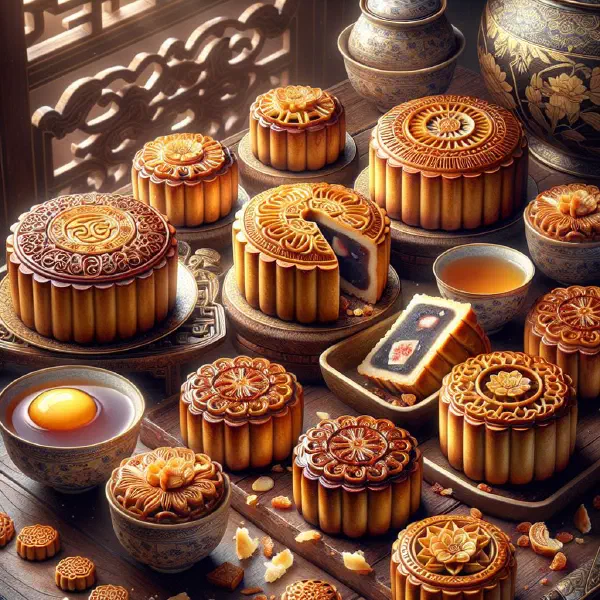
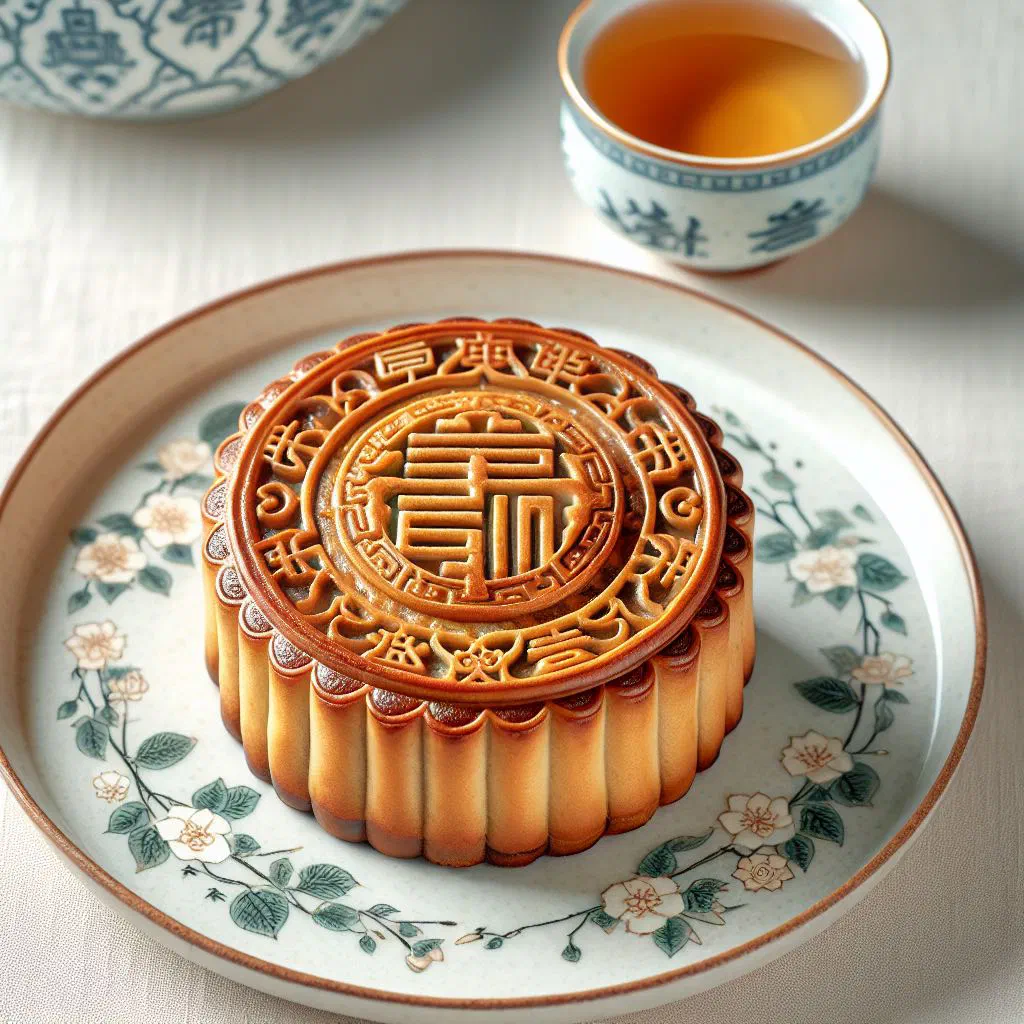
Meet the Suzhou mooncake, a treasured pastry that takes centre stage during China’s Mid-Autumn Festival. More than a simple sweet treat, it is a symbol of togetherness and family tradition. These tender little rounds win hearts with their fillings, from silky lotus seed paste to nuttier, more savoury versions. Crafting them is an art in its own right, one passed lovingly from one generation to the next, and bringing it into your own kitchen is its own quiet celebration.
About Suzhou Mooncake
The Suzhou mooncake is a pastry steeped in history, baked and shared above all during the Mid-Autumn Festival in China. It is far more than a culinary delicacy; it carries deep meaning as an emblem of unity and family heritage. These round appeals to stand out for their range of fillings, from sweet lotus seed paste to heartier versions studded with nuts. Their preparation calls for a real feel for the dough, and the techniques behind them are often handed down lovingly through the generations, much like the festive Mooncakes found across the country.
Ingredients (serves 1–2)
- 200 g plain flour
- 100 g sugar
- 70 g vegetable oil
- 150 g water
- 250 g filling (red bean paste or lotus seed)
- 1 egg yolk (for glazing)
Shopping for the ingredients
To make traditional Suzhou mooncakes, it is worth buying your ingredients at a well-stocked supermarket or an Asian grocery. Flour, sugar and vegetable oil are easy to find in most shops. For the filling, look out for red bean paste or lotus seed, often sold in tins. Choose good-quality ingredients wherever you can, as they make all the difference to the final flavour.
Preparing the dish
Preparing Suzhou mooncakes is a charming little ritual that brings plenty of joy. Begin by gathering all your ingredients and setting up a clean, tidy work surface. Measure out the right quantities and make sure the filling has come up to room temperature beforehand. A touch of planning helps the whole process run far more smoothly.
Step-by-step instructions
- In a bowl, combine the flour, sugar and vegetable oil.
- Slowly add the water and knead everything together well.
- Wrap the dough in cling film and let it rest for 30 minutes.
- Divide the dough into small portions and flatten each one.
- Place a portion of filling in the centre of each piece of dough.
- Close the dough around the filling and press it into a mooncake mould.
- Arrange the mooncakes on a baking tray and brush them with egg yolk.
- Bake at 180°C for roughly 20–25 minutes.
Gluten-free / lactose-free version
For a gluten-free and lactose-free take on Suzhou mooncakes, simply use gluten-free flour. The texture will shift a little, but the flavour stays beautifully intact. You can also be playful with the filling, reaching for naturally gluten-free and lactose-free ingredients. Just make sure the remaining components are free of gluten and lactose too, so the dish suits everyone at the table.
Tips for vegans and vegetarians
If you would like to make Suzhou mooncakes vegan, swap the egg yolk for a plant-based alternative. Soya or almond milk both work wonderfully as a glaze. Choose a plant-based filling as well, such as hazelnuts or sesame paste. Adapting the recipe in this way is refreshingly simple and lends the mooncakes a flavour all their own.
More tips and tricks
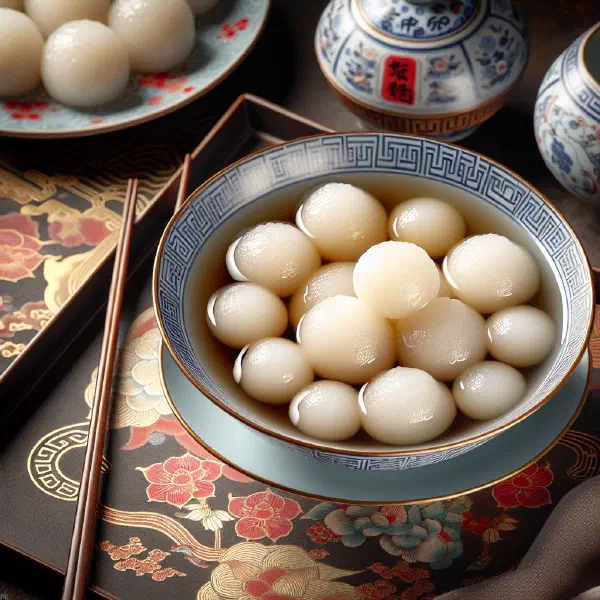
To make your Suzhou mooncakes even more delicious, try combining different fillings. A mixture of red bean paste and toasted nuts, for instance, works a treat. Keep an eye on the baking time, since every oven behaves a little differently. One good tip is to let the mooncakes cool slightly after baking before tucking in, allowing the aromas to settle and shine, a patience the Glutinous Rice Balls reward in much the same way.
Adapting the recipe to your taste
Suzhou mooncakes lend themselves wonderfully to personal tweaks. Experiment with different fillings, perhaps a chocolatey version or a fruity confection. You can also dial the sweetness up or down by adding more or less sugar to the filling. Whatever you create is sure to be a hit at your next Mid-Autumn Festival.
Ingredient substitutions
For the filling of your Suzhou mooncakes, you might also reach for alternatives such as pumpkin purée or apple sauce. These bring a whole new dimension of flavour to the pastry. If traditional ingredients are hard to find, there is no need to worry, many Chinese spices and components are easily swapped for local products. Let your imagination run free and discover new combinations, just as you might when reinventing classic Red Bean Buns.
Drink pairing ideas
The best partners for delicious Suzhou mooncakes are green tea or jasmine tea. Alternatively, you could serve a light jujube infusion or a mango smoothie for a fruity accent. A sparkling lemonade also makes for a refreshing choice.
Serving and presentation ideas
How you present Suzhou mooncakes can have a real impact on the whole experience. Serve them on lovely tableware or alongside a traditional Chinese teapot. A scattering of edible flowers or fresh herbs lifts the look beautifully. A thoughtful arrangement on a neatly placed napkin means the pleasure begins the moment they come into view.
A bit of history
The story of the Suzhou mooncake is closely bound up with the Mid-Autumn Festival and the broader culture of China. It is thought that mooncakes were already being made as early as the 10th century. They were once used as a means of exchange, even to pass secret messages during the period of Mongol rule. Today they are cherished as a sign of togetherness and festivity, underlining the place this dessert holds within Chinese cuisine and society at large.
More recipe ideas
Summary: Suzhou Mooncake
The Suzhou mooncake is far more than a delicious dessert. It embodies the tradition and the sense of community celebrated during the Mid-Autumn Festival. With its varied fillings and flexible preparation, you can shape your mooncakes entirely to your own taste. Give our recipe a go and savour the wonderful feeling of carrying a long and storied history forward in your very own home.