National Dish China: Zha Jiang Mian (Recipe)
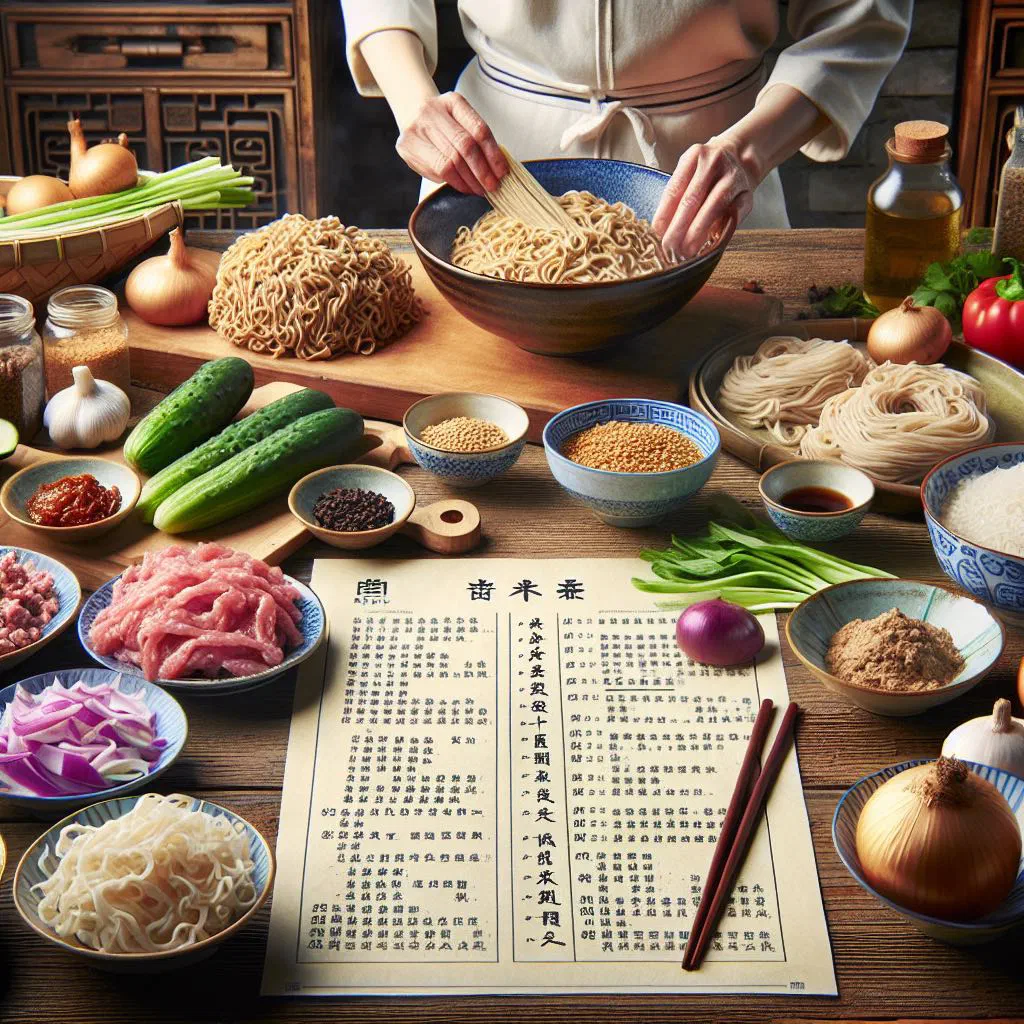
In this article
Discover Zha Jiang Mian, the soul-warming noodle classic of northern China. Springy wheat noodles are crowned with a deeply savoury bean sauce, tender minced meat and a tumble of crisp, fresh vegetables. It comes together in minutes yet tastes like a proper feast, and every cook can tweak it to their own liking. Bring the comforting flavours of a Beijing kitchen straight to your own table.
About Zha Jiang Mian
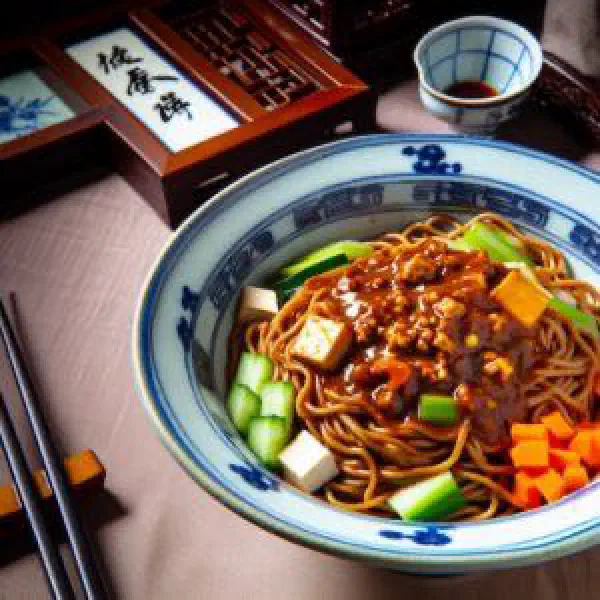
Zha Jiang Mian is a traditional Chinese noodle dish with its roots firmly in the cooking of the country’s north. Its appeal lies in the singular pairing of a rich, savoury bean sauce with tender meat and fresh vegetables. The dish has earned a devoted following not only across China but around the world, and it sits comfortably alongside other beloved noodle plates such as Dan Dan Noodles. Many cooks treasure how quickly it comes together and how easily the ingredients can be adjusted to personal taste.
Ingredients (serves 1–2)
- 200 g wheat noodles or udon noodles
- 200 g minced meat (beef or pork)
- 3 tablespoons black bean sauce
- 2 tablespoons soy sauce
- 1 tablespoon peanut oil or sesame oil
- 1 small cucumber, cut into strips
- 2 spring onions, sliced into rings
- Garlic and ginger, finely chopped (to taste)
Shopping for the ingredients
When shopping for the ingredients for zha jiang mian, it pays to pay close attention to quality. The freshest produce makes for a truly outstanding flavour. Visit an Asian supermarket to be sure of finding the right black bean sauce and perhaps some special noodle varieties too. Fresh vegetables such as cucumber and spring onions are just as crucial to the brightness and taste of the finished dish.
Preparing the dish
Preparing zha jiang mian is refreshingly straightforward and takes very little time. Begin by gathering all your ingredients so the cooking runs smoothly from start to finish. Cut the vegetables into the shapes you want and measure out the bean sauce and soy sauce. By getting everything ready in advance, you avoid any unnecessary rush once the pan is hot.
Step-by-step instructions
- Bring a large pot of water to the boil and add a pinch of salt.
- Cook the noodles according to the packet instructions until al dente, then drain and set aside.
- Heat the peanut oil in a frying pan and sear the minced meat over a high heat.
- Add the garlic and ginger and fry briefly to release their aroma.
- Stir in the bean sauce and soy sauce, mix well and let it simmer for a few minutes.
- Tip the cooked noodles into the pan and toss thoroughly so the sauce coats them evenly.
- Top with the fresh vegetables and serve straight away.
Gluten-free / lactose-free version
Zha jiang mian is easy to make gluten-free by choosing rice- or buckwheat-based noodles. Do check the bean sauce too, as some brands contain gluten. A lactose-free version is simple, since most of the ingredients are naturally free of dairy. Just take care to pick oils and sauces that contain no milk products.
Tips for vegans and vegetarians
For a vegan take on zha jiang mian, swap the minced meat for tofu or a plant-based mince. The bean sauce is often vegan-friendly as well, though it is always worth checking the label before you buy. Round the dish out with extra vegetables such as peppers or carrots to bring more variety and colour to the plate. This keeps it satisfying and full of flavour.
More tips and tricks
A few simple tips and tricks can make the dish even tastier. Experiment with different nuts, lightly toasted and scattered over the top as a topping. Fresh herbs such as coriander or mint lend a special note, while a pinch of chilli gives those who like it hot an extra kick. Letting the sauce reduce a touch longer also deepens its savoury richness.
Adapting the recipe to your taste
Zha jiang mian leaves plenty of room for personal touches. Vary the type of meat, or combine several ingredients to create new flavours. You can dial the heat up or down and adjust the ratio of sauce to noodles however you please. That way every bowl becomes an individual experience, much like the springy, hand-pulled strands of Biang Biang Noodles.
Ingredient substitutions
If you do not have a particular ingredient to hand, there are often alternatives that work just as well. In place of black bean sauce, try red bean sauce or hoisin sauce for a slightly different flavour. For the noodles, you can switch to rice noodles if you are after a gluten-free option. Substitutions like these make the dish all the more interesting and your own.
Drink pairing ideas
For a well-rounded experience, give some thought to the drinks as well. Green tea pairs beautifully with zha jiang mian and brings out its aromas. Alternatively, reach for a light, fruity white wine, or serve an alcohol-free option such as ginger beer to complement the savoury components. Either way, you round off your Asian dinner perfectly.
Serving and presentation ideas
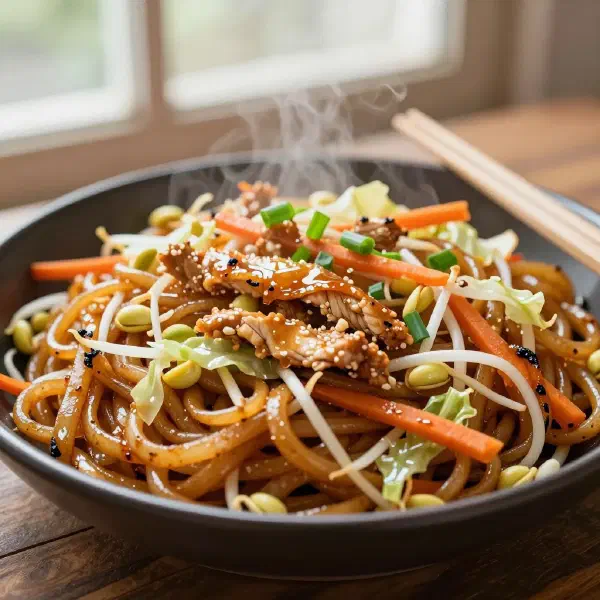
The presentation of your zha jiang mian can leave a real impression. Serve the noodles in a large, shallow bowl and garnish with freshly cut vegetables. A few coriander leaves and some sliced chilli give the dish an attractive look. Reach for pretty tableware to lift the whole experience to the next level.
A bit of history
Zha jiang mian has a long history and is a much-loved dish across many regions of China. It is especially celebrated in Beijing, where it is often served with an array of side toppings. Originally conceived as simple, filling fare for workers, it has grown into a symbol of Chinese food culture. The dish reflects the variety and richness of Chinese cuisine.
More recipe ideas
Summary: Zha Jiang Mian
In short, zha jiang mian is a hearty and versatile noodle dish that is firmly woven into Chinese cuisine. Whether as a quick supper or for a special occasion, it always delivers a memorable taste experience. Thanks to its adaptability and the variety of its ingredients, everyone can enjoy a version of zha jiang mian that is entirely their own. Give it a go and dive into the flavours of Asian cooking.