National Dish China: Zhajiangmian (Recipe)
In this article
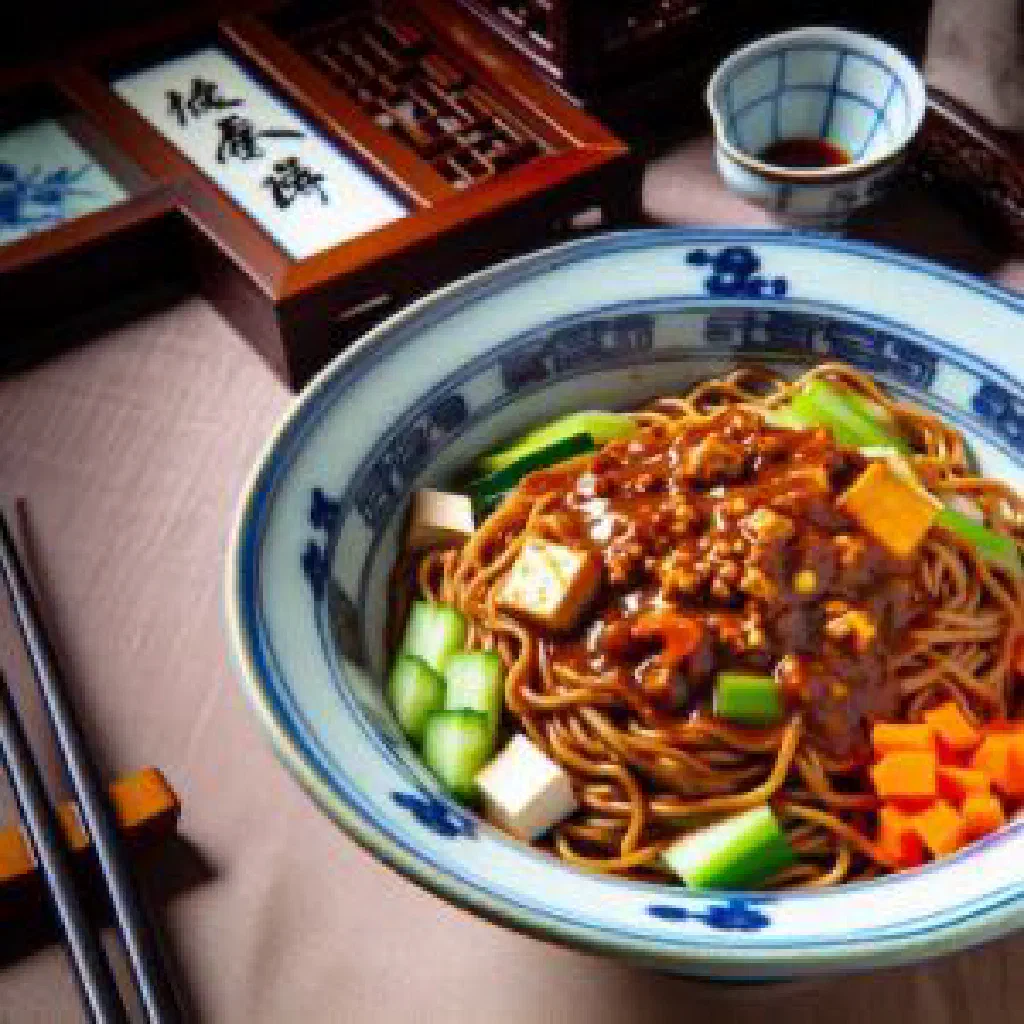
Say hello to Zhajiangmian, the soulful bowl of noodles that countless families across northern China consider the country’s true national dish. Springy wheat noodles are draped in a deeply savoury, slightly salty sauce built around fermented yellow soybean paste, then crowned with crisp cucumber and fresh spring onions. It is humble, satisfying everyday cooking at its best, and easier to make at home than you might think.
About Zhajiangmian
Zhajiangmian is a classic of northern Chinese cooking and, for many people, the national dish of China itself. It is built mainly from wheat noodles and a hearty sauce traditionally made with fermented yellow soybean paste (the zhajiang that gives the dish its name), minced meat and an assortment of vegetables. The dish is loved for its simple ingredients, its deep flavour and its pleasing contrast of textures. The balance between the soft noodles and the savoury, gently salty sauce creates a rounded, comforting bowl that is popular right across China and cooked regularly in family kitchens.
Ingredients (serves 1–2)
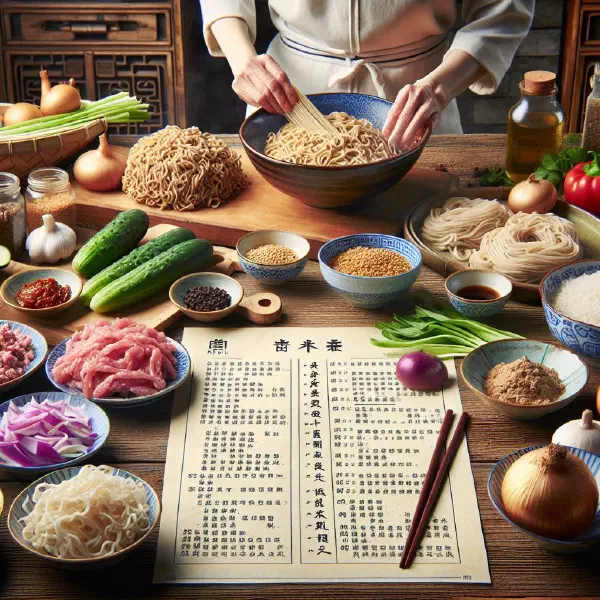
- 200 g wheat noodles
- 150 g minced pork (or minced beef)
- 2 tablespoons fermented yellow soybean paste (zhajiang)
- 1 medium onion, diced
- 2 cloves garlic, finely chopped
- 1 small cucumber, cut into strips
- 2 spring onions, sliced into rings
- 1 tablespoon soy sauce
- 1 tablespoon sesame oil
- 1 tablespoon vegetable oil
- Ground black pepper, to taste
Shopping for the ingredients
To capture the authentic flavours of zhajiangmian, the key is sourcing the right fermented yellow soybean paste. You will usually find it in Asian supermarkets or international grocery shops, much like the specialist pastes that give a Dan Dan Noodles bowl its punch. When buying vegetables, look for fresh, crisp produce, and choose good-quality fresh minced meat from a butcher you trust.
Preparing the dish
Get everything ready before you start cooking: wash and cut the vegetables and portion out the meat. Having the ingredients prepped and within easy reach keeps the cooking process smooth and quick, so nothing catches you out once the pan is hot.
Step-by-step instructions
- Cook the noodles according to the packet instructions, drain and set aside.
- Heat the vegetable oil in a pan over medium heat and brown the minced meat until well coloured.
- Add the onion and garlic and continue to fry until softened.
- Stir in the yellow soybean paste and cook for a few minutes so the flavours can develop.
- Season with soy sauce and black pepper, then stir through the sesame oil.
- Spoon the sauce over the cooked noodles.
- Garnish with cucumber strips and spring onions.
Gluten-free / lactose-free version
Zhajiangmian contains no dairy, so it is naturally lactose-free. To make it gluten-free, swap the wheat noodles for rice or buckwheat noodles and check that your soybean paste and soy sauce are certified gluten-free, choosing tamari in place of regular soy sauce where needed. With those small switches, anyone avoiding gluten can still enjoy a full, flavour-packed bowl.
Tips for vegans and vegetarians
It is easy to turn zhajiangmian into a vegetarian or vegan dish. Simply replace the minced meat with crumbled tofu or finely chopped mushrooms, which soak up the savoury sauce beautifully. Double-check that your soybean paste contains no hidden animal ingredients, and lean on fresh vegetables and herbs for an authentic finish. The dish adapts happily to a plant-based diet.
More tips and tricks
To make the dish even more delicious, stir in a teaspoon of extra fermented bean paste or a few drops of toasted sesame oil. For a spicier version, add a drizzle of Chinese chilli oil, the kind that also lifts a fiery Sichuan Boiled Fish. Letting the sauce simmer gently helps the flavours deepen and round out.
Adapting the recipe to your taste
You can tweak this recipe with ease, for example, by swapping the pork or beef for chicken, or for tofu to make a vegetarian version. To pack in more vegetables, add finely cut radish or carrot. Adjust the seasoning to suit your palate, going heavier on the soybean paste for a bolder bowl or lighter for something more delicate.
Ingredient substitutions
If yellow soybean paste is unavailable, miso or hoisin sauce can step in, though the flavour will be slightly different. Hoisin brings a touch more sweetness, while miso leans saltier, so taste as you go and adjust the seasoning to keep the sauce balanced.
Drink pairing ideas
Zhajiangmian goes wonderfully with a light beer or a cup of green tea, both of which balance the rich, savoury character of the dish. A chilled jasmine tea also works nicely, refreshing the palate between mouthfuls of those satisfying noodles.
Serving and presentation ideas
Arrange the noodles in a deep bowl and spoon the sauce evenly over the top. Scatter the colourful vegetables across the surface to make the dish more inviting, then finish with a few drops of sesame oil and a sprinkle of toasted sesame seeds for shine and texture. Serving it family-style, with everyone tossing their own bowl together, makes for a relaxed and convivial meal.
A bit of history
The origins of zhajiangmian can be traced to Shandong Province, from where it spread and evolved over the centuries. It is loved as both street food and a home-cooked staple, and has inspired many regional variations across the country, a fine introduction to the breadth of Chinese cuisine. Beijing, in particular, has its own celebrated style, each cook guarding their own balance of paste, meat and vegetables.
More recipe ideas
- Biang Biang Noodles
- Dan Dan Noodles
- Yunnan Over the Bridge Noodles
- Crispy Duck
- Yangzhou Fried Rice
- Shaomai
Summary: Zhajiangmian
Zhajiangmian is a traditional Chinese dish that wins people over with its simple preparation and its deep, versatile flavours. With fresh ingredients and a handful of easy steps, you can enjoy this national favourite in your own kitchen. Zhajiangmian brings the warmth and character of northern China straight to your table, give it a try and let it become a regular in your repertoire.