National Dish China: Zongzi (Recipe)
In this article
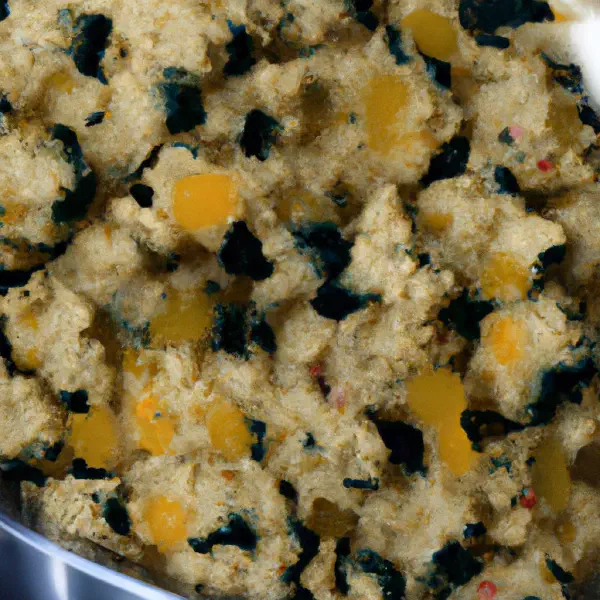
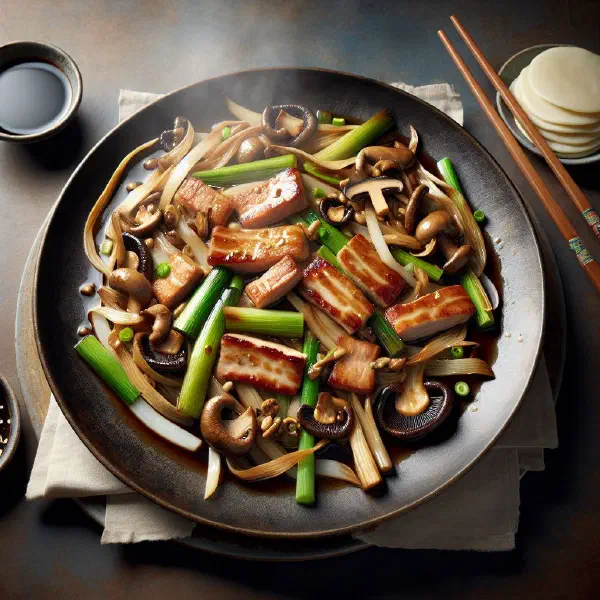
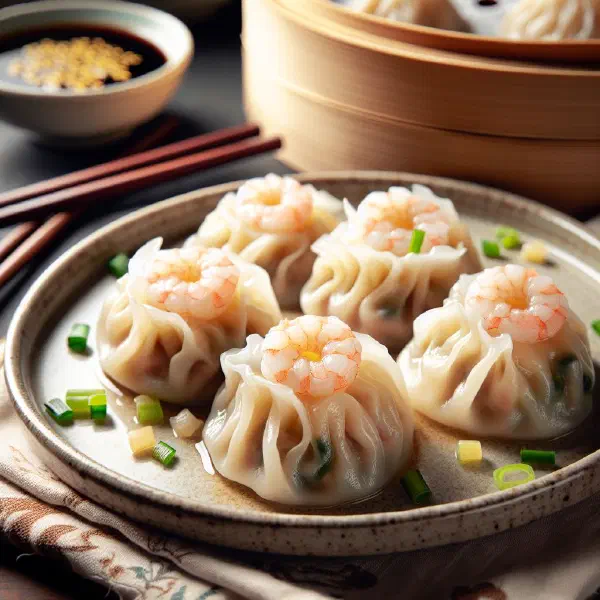
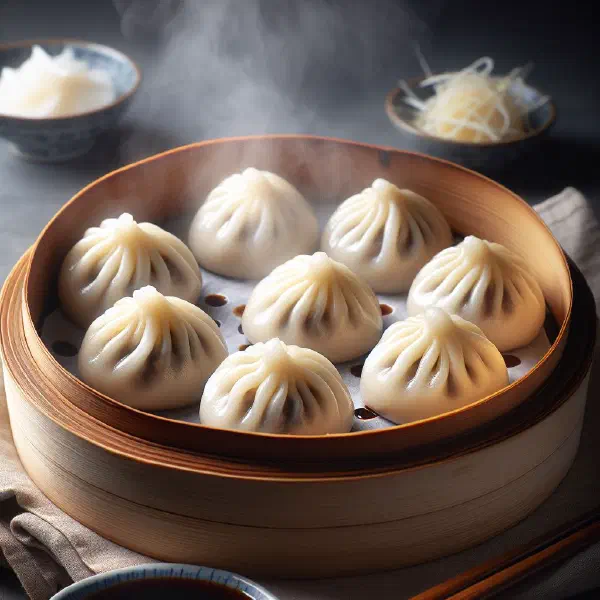
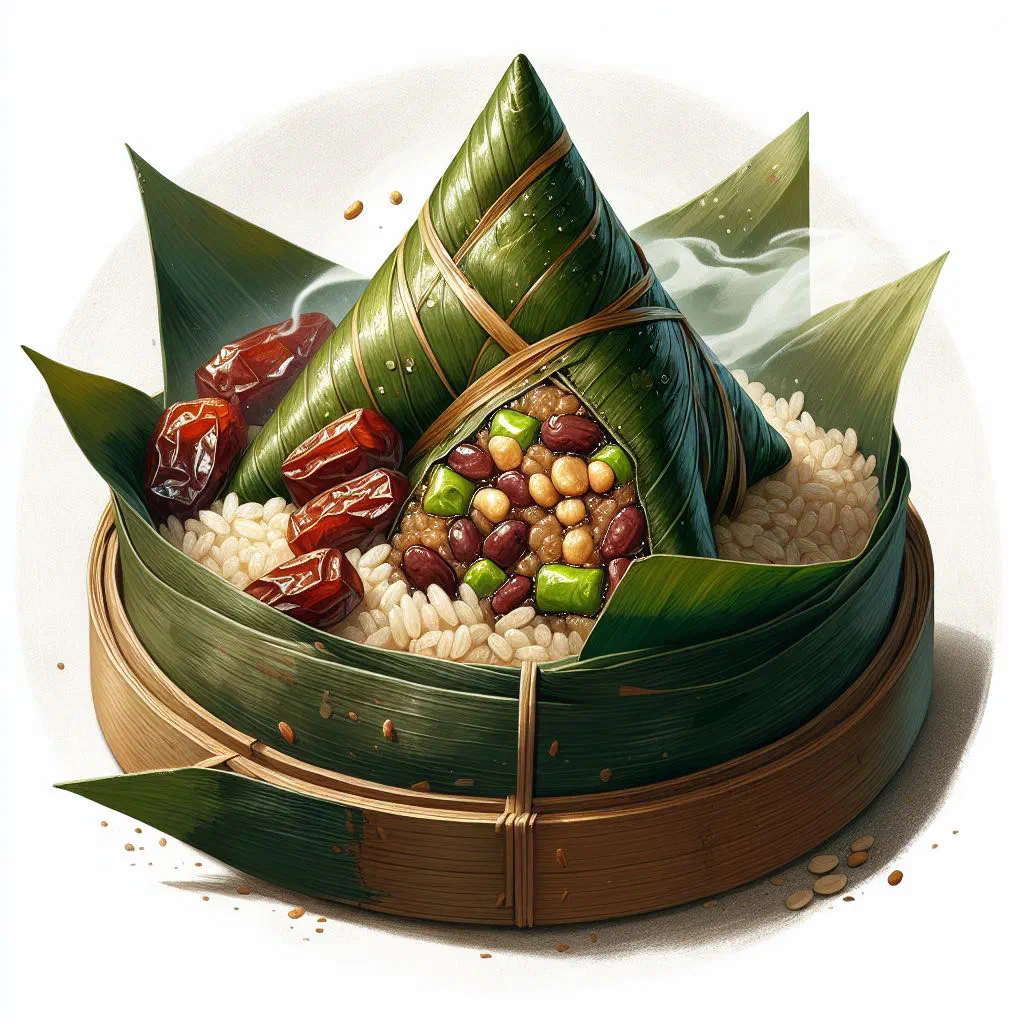
Meet Zongzi, the fragrant rice parcels at the heart of China’s Dragon Boat Festival. Pillowy glutinous rice is wrapped in supple bamboo leaves and bound tight, then steamed until the leaves perfume every grain. The fillings run from savoury pork and earthy mushrooms to sweet red bean paste, so there is a version for every palate. Folding your own zongzi is part craft, part celebration, and a delicious way to bring a centuries-old tradition into your kitchen.
About Zongzi
Zongzi is a traditional Chinese dish prepared to mark the Dragon Boat Festival. These good rice parcels are made from glutinous rice and wrapped in tender bamboo leaves before being steamed or boiled. The fillings vary widely, ranging from savoury pork and flavourful dried mushrooms to sweet red beans. Zongzi are a culinary treat and an important part of Chinese culture and history, enjoyed by families gathering to celebrate together each year.
Ingredients (serves 1–2)
- 200 g glutinous rice
- 100 g pork, diced
- 50 g dried mushrooms, soaked
- 50 g red beans, cooked
- 4–5 bamboo leaves
- Soy sauce, to taste
- Pepper and salt, to taste
Shopping for the ingredients
When shopping for zongzi, it pays to focus on quality. You will usually find glutinous rice in Asian supermarkets or online. Fresh bamboo leaves are equally important for the flavour, as they lend the parcels their distinctive aroma during steaming. Dried mushrooms, in particular, should be soaked well so they can release their full, savoury depth into the filling.
Preparing the dish
Making zongzi calls for a little careful groundwork. First, soak the glutinous rice for at least 4 hours so it can absorb enough water to cook through evenly. The bamboo leaves also need to soak for a few hours to make them supple and easy to fold without tearing. Once everything is prepped, you can season the various fillings and set out your work surface ready for wrapping.
Step-by-step instructions
- Drain the soaked rice thoroughly and tip it into a bowl.
- Add the diced pork, the soaked mushrooms and the red beans.
- Season well with soy sauce, pepper and salt.
- Lay a bamboo leaf on a flat surface and place a small amount of rice in the centre.
- Spoon a portion of the filling onto the rice, then cover it with the rest of the rice.
- Fold the bamboo leaves into a parcel and tie them securely with kitchen string.
- Steam or boil the zongzi in a large pot of water for about 2 hours.
- Once cooked, remove the bundles and serve them warm.
Gluten-free / lactose-free version
For anyone who needs to eat gluten-free or lactose-free, this zongzi recipe is an excellent starting point. Glutinous rice is naturally gluten-free despite its name. Simply swap regular soy sauce for a gluten-free alternative to keep that full-bodied savoury flavour. The other ingredients, such as pork and vegetables, are naturally lactose-free, which makes the dish wonderfully straightforward to prepare for special diets.
Tips for vegans and vegetarians
Vegans and vegetarians can adapt zongzi simply by changing the filling. In place of pork, try pan-fried tofu cubes or an assortment of vegetables. Nuts or dried fruit such as dates and figs are lovely additions too, adding sweetness and texture. The result is a delicious, plant-based version that is every bit as satisfying as the original, much like the comforting Glutinous Rice Balls enjoyed across China.
More tips and tricks
To make perfect zongzi, it helps to practise the technique of folding the bamboo leaves. Tying the parcels firmly is essential so they do not come apart during cooking. A dash of sesame oil in the filling adds an extra layer of fragrance. Cooking time can vary with the thickness of the parcels, so always check that they are cooked right through before serving.
Adapting the recipe to your taste
One of the great joys of zongzi is how flexible the recipe is. If you dislike a particular ingredient, or are allergic to it, simply leave it out and swap in something else. You might try different varieties of mushroom, or vegetables such as peppers and carrots. Feel free to experiment with different spices and aromatics until the flavour suits you perfectly.
Ingredient substitutions
Depending on what you can find, several zongzi ingredients are easy to swap. Instead of classic glutinous rice, you could use quinoa or buckwheat for a different texture. Meat lovers can replace the pork with chicken or beef, while mushrooms make a hearty vegetable alternative, a savoury richness echoed in the slow-cooked Dongpo Pork.
Drink pairing ideas
The right drink can lift a plate of zongzi considerably. Traditionally, Chinese teas such as jasmine tea or pu-erh tea pair beautifully with the savoury flavours. For a refreshing contrast, a lightly chilled plum wine works well. If you fancy something alcoholic, consider a light beer or even a glass of rice wine to round off the meal.
Serving and presentation ideas
Presentation can matter as much as flavour when it comes to zongzi. Serve the rice parcels in an attractive bowl, surrounded by fresh herbs or edible flowers, for a striking look. Small dishes of different dips enrich the spread and enhance the whole dining experience. We eat with our eyes first, after all, and a thoughtful presentation builds anticipation for the meal to come.
A bit of history
Zongzi have a long history in China and are closely linked to the Dragon Boat Festival, celebrated every year. The festival’s origins trace back to the ancient poet Qu Yuan, who lived in the 3rd century BC. In his memory, zongzi were cast into the water as an offering. So these parcels carry a culinary meaning and a deeply rooted cultural and historical significance within Chinese cuisine.
More recipe ideas
Summary: Zongzi
In short, zongzi are a fascinating and delicious dish that showcases the variety and depth of Chinese cooking. There is a flavour here for everyone. Preparing them is a culinary adventure and a wonderful way to get to know Chinese culture a little better. Give it a try and bring a taste of China into your own kitchen.