National Dish Colombia: Masato (Recipe)

In this article
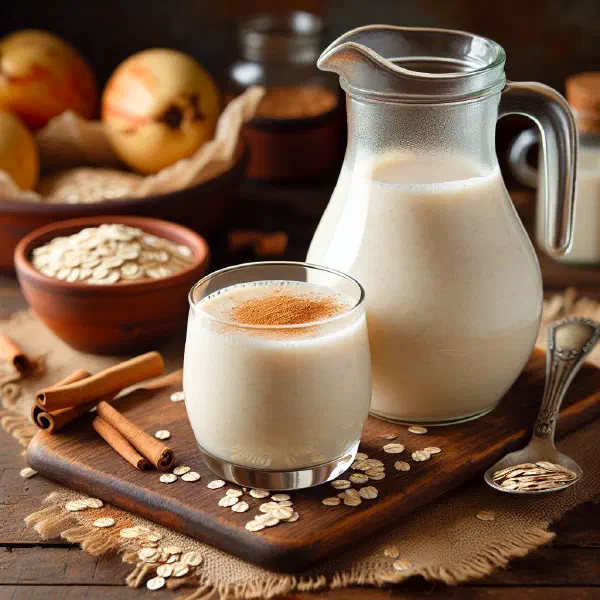
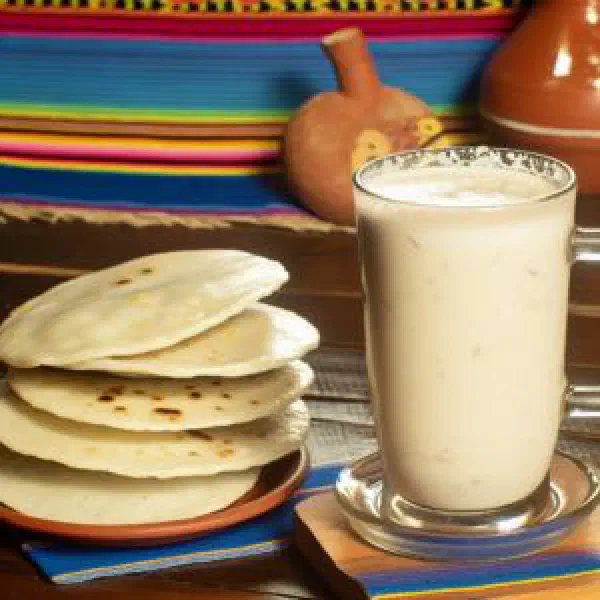
Meet Masato, a traditional Colombian drink that offers far more than a simple refreshment. Made from fermented rice and water, it charms with a gently sweet character and soft, fruity undertones. Deeply rooted in Colombian culture, it is often poured at festive gatherings and family celebrations. Making masato at home is a delicious project and a lovely way to get to know the customs and traditions of Colombia.
About Masato
Masato is a time-honoured Colombian drink that offers much more than mere refreshment. It is made from fermented rice and water, and it stands out for its gently sweet note and fruity undertones. This drink has deep roots in Colombian culture and is frequently served at festive occasions. Preparing masato is a way to discover the rich traditions and customs of Colombia, much like the country’s beloved Refajo Colombiano.
Ingredients (serves 1–2)
- 200 g rice
- 1 litre water
- 50 g sugar (optional)
- A pinch of cinnamon
Shopping for the ingredients
To make masato you need only a handful of ingredients, all of which are easy to find in any supermarket. Be sure to use long-grain rice, as this gives the best result. When it comes to the sugar, you can decide whether to reach for white sugar or an alternative such as honey. The cinnamon is optional too, but it lends the drink a wonderfully warm flavour.
Preparing the dish
Getting masato ready is remarkably simple and calls for little more than a bit of patience while it ferments. First, rinse the rice thoroughly to wash away excess starch. Then comes the soaking, which gives the rice the chance to release its aromas. The fermentation is the key to the distinctive flavour that makes this drink so special.
Step-by-step instructions
- Rinse the rice in a sieve and tip it into a bowl.
- Add 1 litre of water and leave the rice to soak for at least 12 hours.
- Put the soaked rice and its water into a blender and blitz until smooth.
- Strain the mixture through a fine sieve or cloth to collect the liquid.
- Add sugar and cinnamon to taste and stir well.
- Pour the mixture into a clean vessel, cover, and leave to ferment at room temperature for 1–3 days.
- Once fermented, the drink is ready to serve. Chill well and enjoy.
Gluten-free / lactose-free version
Masato is naturally gluten-free and lactose-free, since its main ingredient is rice. That makes it a superb drink for anyone with special dietary needs. If you are looking for other gluten-free options, you could also try preparing it with grains such as quinoa. As always, use fresh ingredients to achieve the very best results.
Tips for vegans and vegetarians
For vegans and vegetarians, masato is an excellent choice, as it contains no animal products whatsoever. It is also a great way to quench a thirst while sharing a cultural experience. If you like, you can swap the sugar for natural sweeteners such as agave syrup to adapt the drink. Experiment with different flavours by adding fruit such as mango or pineapple, in the spirit of a fruity Salpicón.
More tips and tricks
To get the most out of your masato, timing is everything. The longer you let the mixture ferment, the more intense the flavour becomes. Keep your vessel somewhere warm to encourage the fermentation process. For extra aroma, add spices such as cloves or cardamom. Using filtered water can also improve the quality of your finished drink.
Adapting the recipe to your taste
The great strength of masato is its versatility. If you want to refine the flavour, you can add different kinds of fruit. Some prefer to cut back on the sugar or leave out the cinnamon altogether. Others enjoy experimenting with fresh mint leaves or a squeeze of lime for a more refreshing note. Your personal taste is the key to the perfect preparation.
Ingredient substitutions
If you do not have access to traditional sugar, you can make masato with coconut sugar or stevia instead. These alternatives ensure the drink stays pleasantly sweet. It is also worth experimenting with different varieties of rice, such as basmati or jasmine, to discover new flavour profiles.
Drink pairing ideas
Masato sits happily alongside many other drinks that complement the flavours of Colombia beautifully. Pair it, for example, with a freshly made Lulada or a cool rum-based cocktail. A cup of Colombian coffee can also be a harmonious match, especially after a hearty meal. Experiment with different combinations to find your perfect pairing.
Serving and presentation ideas
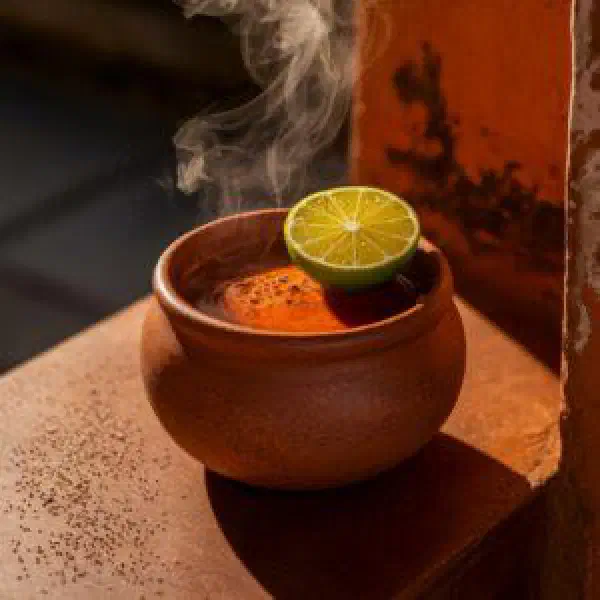
The way you present masato can greatly enhance the drinking experience. Serve it in artistic glasses or, traditionally, in clay pots to create an authentic flair. Garnished with fresh fruit or a sprig of mint, the drink becomes a visual highlight too. Be sure to serve it well chilled to make the most of its refreshing effect.
A bit of history
The story of masato is woven deeply into the culture of Colombia. It counts among the country’s oldest drinks and is often enjoyed at festivities and special occasions across the land. The tradition of fermenting reflects the creativity and resourcefulness of people who sought to draw out flavour and nourishment in a natural way. Making masato is not merely a culinary act but a celebration of cultural identity, a hallmark of Colombian cuisine.
More recipe ideas
Summary: Masato
In short, masato is a unique and flavourful drink that embodies the culture and tradition of Colombia. With its simple preparation and endless scope for variation, it is ideal for any occasion. Discover the flavours of Colombia in your own home and let yourself be enchanted by the bright, colourful world of Colombian cooking. Give this delicious drink a try and share it with friends and family.