National Dish Comoros: Pilau (Recipe)
In this article
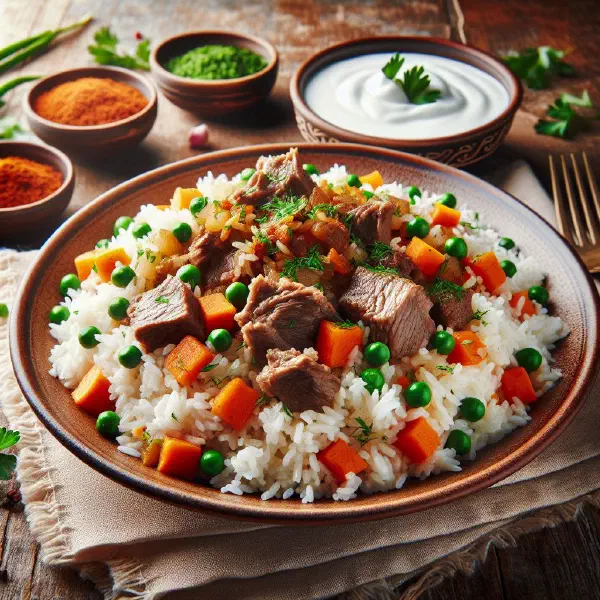
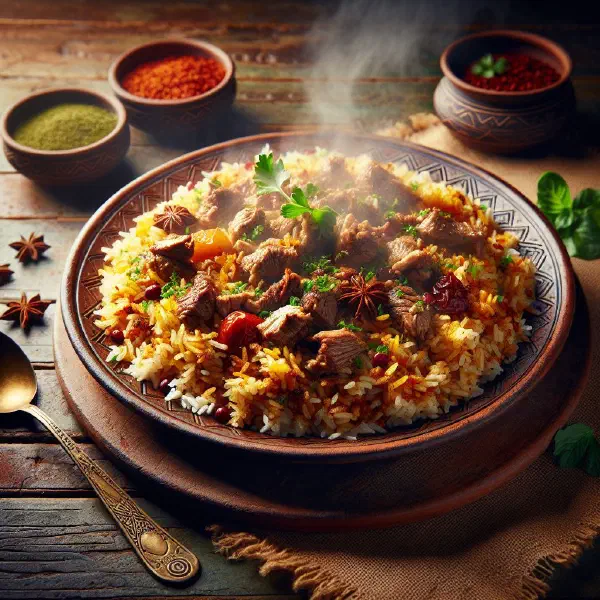
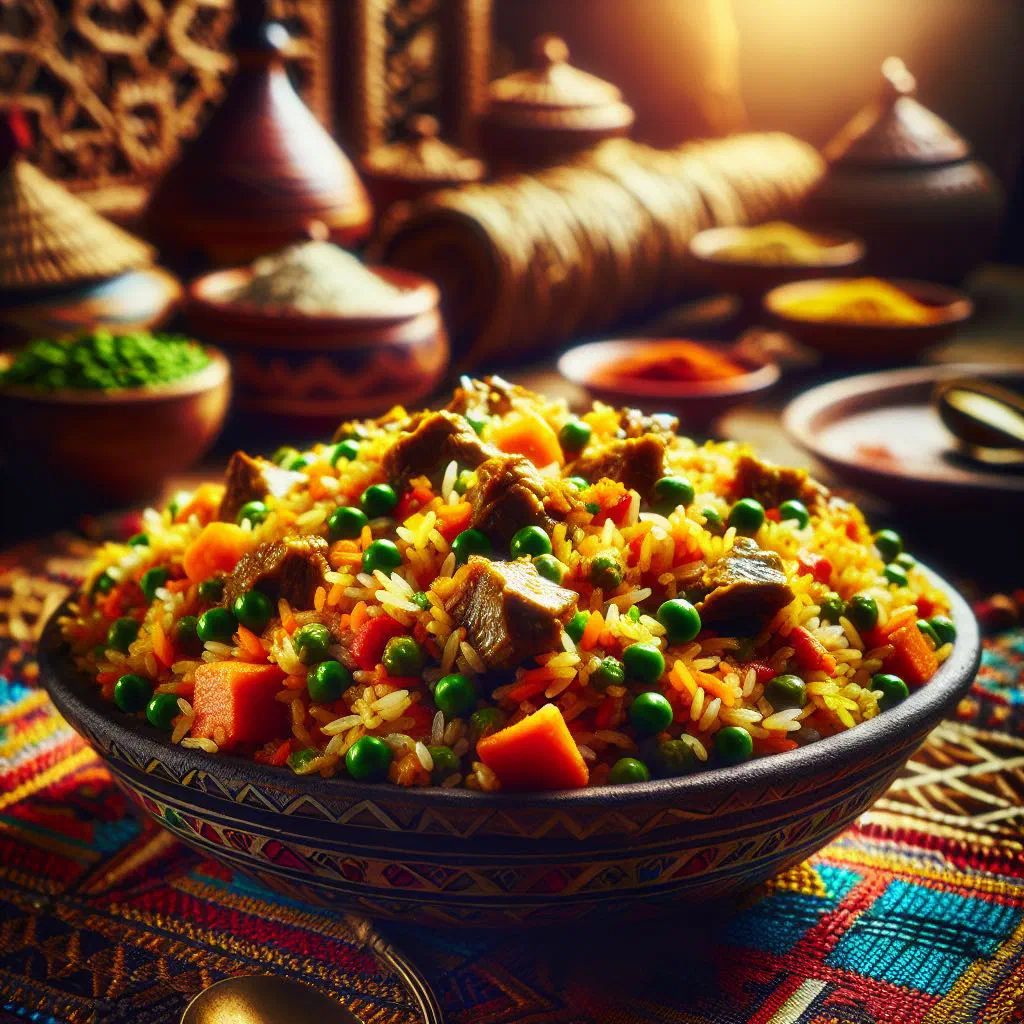
Discover Pilau, a fragrant rice dish that is a true symbol of hospitality on the Comoros islands. Slow-cooked with warming spices, tender meat and sweet carrots, it fills the kitchen with the aromas of cumin and saffron. Equally at home at a family celebration or a quiet weeknight supper, this hearty one-pot classic brings the flavours of the Indian Ocean straight to your table.
About Pilau
Pilau is not merely a main course but a genuine symbol of hospitality and culinary tradition across many cultures. Originally from Persia, it has spread around the world in countless forms and flavours. In every country where it is cooked, special ingredients and methods give the dish its own individual character. Craftsmanship and a spirit of community come together in this hearty rice dish, served at both festive gatherings and everyday meals.
Ingredients (serves 1–2)
- 150 g long-grain rice
- 250 ml water or stock
- 1 onion, diced
- 2 carrots, grated
- 200 g meat (such as lamb or chicken), diced
- 3 tablespoons oil
- 1 teaspoon cumin
- Salt and pepper to taste
- A few strands of saffron (optional)
- Fresh herbs, to garnish (such as parsley)
Shopping for the ingredients
To make the best Pilau, it is worth choosing good-quality ingredients. Visit your local market or an Asian grocery to find fresh spices and the meat you have in mind. Long-grain rice is a fine choice for pilau, as it soaks up the aromas beautifully. If you have the chance to buy fresh herbs, do. They are what truly bring the dish to life.
Preparing the dish
Preparing Pilau is relatively simple and needs only a little planning. Begin by washing the rice in cold water to rinse away excess starch, which keeps the grains loose and fluffy as they cook. While the rice soaks, you can prepare the meat and vegetables and set out all your ingredients, so the cooking runs along smoothly.
Step-by-step instructions
- Heat the oil in a large pot and fry the onions until golden brown.
- Add the meat and brown it well on all sides.
- Stir in the carrots and the spices, mixing everything together thoroughly.
- Add the washed rice and fry it briefly with the rest.
- Pour in the water or stock, bring to the boil and season with salt to taste.
- Lower the heat, cover the pot and let it simmer for 20–25 minutes, until the rice is tender and the liquid has been fully absorbed.
Gluten-free / lactose-free version
Making Pilau gluten-free and lactose-free is easy with a few small adjustments. Simply use water or a homemade gluten-free stock instead of a shop-bought one. When it comes to the fat, reach for oils such as olive or coconut oil, which contain no lactose. The remaining ingredients are naturally free of gluten and lactose, so you can enjoy a delicious version of the dish without worry.
Tips for vegans and vegetarians
For a vegan or vegetarian version of Pilau, simply swap the meat for vegetables or plant-based proteins such as tofu or chickpeas. You can deepen the flavour with savoury vegetable stock and spices like turmeric and paprika. Choose seasonal vegetables to enrich the taste even further, and finish with plenty of fresh herbs for a bright, fresh note.
More tips and tricks
One of the best ways to make sure your Pilau turns out perfectly is to prepare the rice properly. Wash and soak it well to achieve the ideal texture. The amount of liquid also plays a decisive role, too much or too little can spoil the result. Experiment with different spices and herbs to find your own personal favourite, much as you would with a fragrant Coconut Rice.
Adapting the recipe to your taste
The versatility of Pilau lets you shape the recipe entirely to your liking. Feel free to add different vegetables, spices or even nuts. If you enjoy a touch of heat, throw in some chillies or a little curry powder. You can also enrich the dish with dried fruit such as raisins or apricots for a gentle sweetness, in the same spirit as a comforting Poulet Coco.
Ingredient substitutions
If you do not have all the ingredients for Pilau to hand, there are plenty of alternatives. In place of lamb or chicken, you could use pork or fish. For vegetarians, a mix of different vegetables and plant-based proteins works well. The rice, too, can be swapped for quinoa or couscous to bring a new flavour note to the dish.
Drink pairing ideas
The right drink can greatly enhance the experience of eating Pilau. A refreshing, unsweetened hibiscus tea pairs wonderfully with the dish’s spicy aromas. For those who enjoy something alcoholic, a glass of red wine or a light beer makes a good companion. You might also try a fresh lemonade or an ayran for an especially refreshing option.
Serving and presentation ideas
Presentation plays an important part in serving Pilau. Present the dish in a large, handsome bowl and garnish it with fresh herbs to make it more inviting. For special occasions, scatter over a few almonds and raisins or other dried fruit to add colourful touches and extra flavour. An attractive presentation turns the meal into a real occasion for your guests, much like a well-set table of Comoran cuisine.
A bit of history
The history of Pilau reaches back to ancient Persia, from where it spread into many different cultures. There is evidence that rice dishes already played a major role in Persian cooking as early as the 10th century. Over the centuries the dish has evolved and adapted to local conditions and produce. Today Pilau is a firm fixture in the kitchens of many countries, among them India, Pakistan and Turkey.
More recipe ideas
Summary: Pilau
In short, Pilau is not only a delicious dish but a genuine celebration of flavours and traditions. With good-quality ingredients and a little creativity, you can enjoy a whole range of variations on this classic. Whether meaty, vegetarian or vegan, Pilau adapts easily to your personal taste. Give this recipe a try and discover the joy and pleasure that this versatile rice dish brings.