National Dish Comoros: Poutou Comorien (Recipe)
In this article
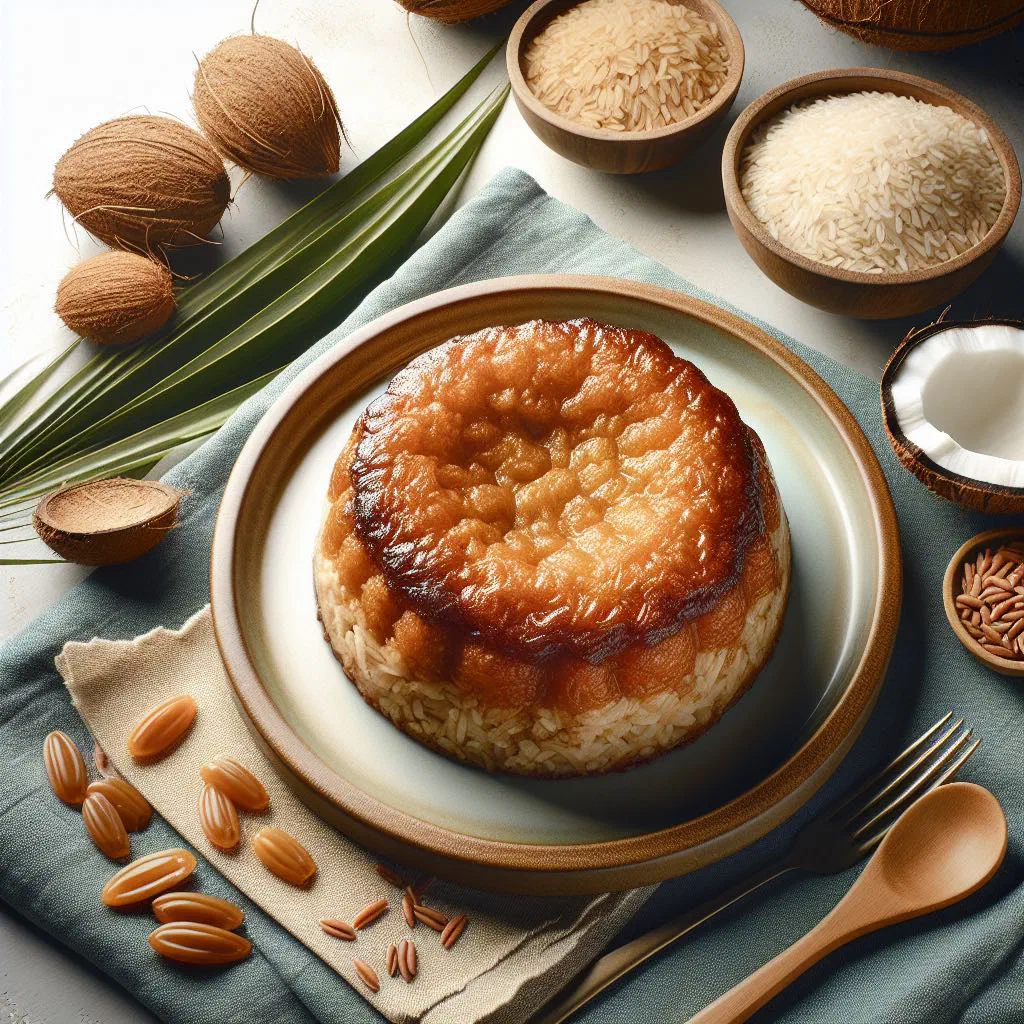
Meet Poutou Comorien, a simple yet soulful treat from the Comoros islands in the Indian Ocean. Built around grated cassava and fragrant coconut, it has a moist, tender texture and a gently sweet flavour that speaks of island kitchens and festive gatherings. Naturally gluten-free, lactose-free and suitable for vegans, it is the kind of unfussy dish that carries a great deal of tradition in every mouthful.
About Poutou Comorien
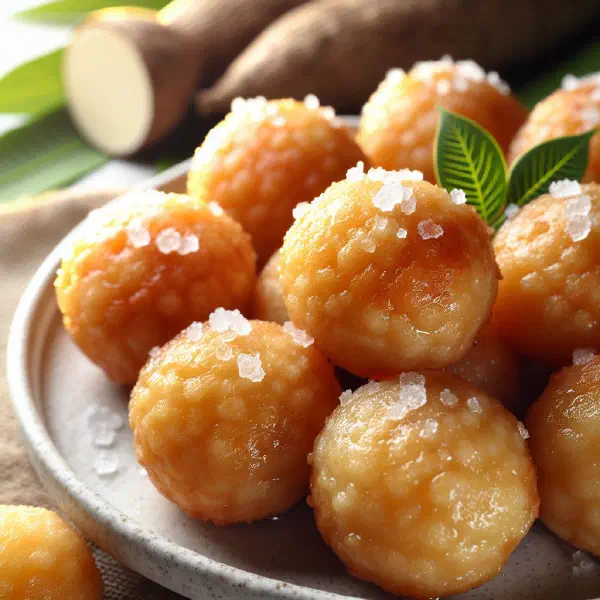
Poutou Comorien is not only a traditional dish of the Comoros but a genuine taste experience. It is built on a combination of cassava and coconut, which together give the dish its moist, aromatic texture. In many Comorian households, poutou is served at celebrations and on special occasions. It represents a link to the culture and traditions of the islanders, and every bite tells a story of its own.
Ingredients (serves 1–2)
- 200 g cassava (peeled and grated)
- 100 g coconut (grated or tinned)
- 1 tsp sugar
- 1 tsp salt
- 100 ml water (or as needed)
- Plantain leaves (for steaming, optional)
Shopping for the ingredients
The ingredients for Poutou Comorien are widely available in Asian or African grocery shops. Cassava is often sold fresh or found in the freezer section, while coconut comes both grated and tinned. If you live in a region that does not stock these particular ingredients, it is worth trying online shopping instead. Aim to choose fresh, good-quality produce to get the best possible result.
Preparing the dish
Before you begin making Poutou Comorien, it is important to have everything ready. The cassava should be thoroughly peeled and then grated so that it forms an even texture. If you are using fresh coconut, prepare it carefully as well. Make sure you have everything within reach, as the preparation goes quite quickly and you will not want to lose any time.
Step-by-step instructions
- Place the grated cassava in a bowl and mix it together with the grated coconut.
- Add the sugar and salt and stir well until all the ingredients are evenly distributed.
- Add water as needed to bring the mixture to a mouldable consistency.
- Shape the mixture into small portions and, if using, wrap them in plantain leaves.
- Steam in a steamer or a suitable set-up for around 30 minutes.
- Once steamed, carefully unwrap the little poutou cakes and serve them warm.
Gluten-free / lactose-free version
Poutou Comorien is naturally gluten-free and lactose-free, as it contains no grain products or dairy elements. This makes it a wonderful choice for anyone with food intolerances. Just take care that all the ingredients you use are free from hidden gluten or milk components. If you are looking for extra variations, you can also experiment with other gluten-free products.
Tips for vegans and vegetarians
The recipe for Poutou Comorien is already vegetarian, as it uses only plant-based ingredients. Vegans can make it exactly as written too, since it contains no animal products at all. When choosing your coconut, check that it includes no additives or dairy. Experiment with further plant-based flavours to broaden the taste of the dish.
More tips and tricks
To enhance the flavour of Poutou Comorien, you can add spices such as cinnamon or nutmeg. These lend the dish an extra depth of flavour. You might also try different fillings, whether sweet or savoury, to adapt the recipe to your own liking. The same coconut-forward spirit shines in a bowl of Riz Coco.
Adapting the recipe to your taste
The best thing about Poutou Comorien is how adaptable it is. If you want a more intense flavour, simply add more sugar or spices. The consistency of the mixture can vary too, adjust the amount of water to reach the texture you prefer. Beyond that, you can experiment with different forms of coconut, be it fresh, dried or as milk.
Ingredient substitutions
If cassava is not available to you, a similar root such as yam or potato works well. These offer a comparable texture that keeps the dish tasty. For the coconut, you could also use coconut milk to make the recipe even creamier, much as you would for a Batata Douce au Lait de Coco. Bear in mind that the flavours may shift, but experimenting can bring wonderful surprises.
Drink pairing ideas
A range of drinks suits Poutou Comorien and complements its aromas. A delicious coconut milkshake makes a lovely match. Alternatively, choose a fruity smoothie with tropical fruits such as mango or pineapple. For those who enjoy something alcoholic, I would suggest a fruity cocktail or a refreshing rum cocktail, which underlines the flavours of the Comoros beautifully.
Serving and presentation ideas
The presentation of Poutou Comorien can lift the enjoyment considerably. Serve it on a colourful plate to highlight the beauty of the dish. A few fresh mint leaves or edible flowers make a fine garnish and bring the colours to life. Consider serving the dish in plantain leaves as well, to give it an authentic Comorian touch. A Coconut Tart alongside rounds out a sweet island spread.
A bit of history
Poutou Comorien has its roots in the culinary traditions of the Comoros, an island group in the Indian Ocean. The use of cassava and coconut reflects the resources available and the way of life of the local people. These ingredients are nourishing and an essential element of the islanders’ diet. Poutou is often seen as a symbol of hospitality and is a fixture at celebrations and family gatherings, a proud example of Comoros cuisine.
More recipe ideas
Summary: Poutou Comorien
Poutou Comorien is a tasty and distinctive dish that reflects the variety of Comorian cooking. It offers a delicious combination of cassava and coconut that is both nourishing and satisfying. The preparation is simple, and the dish adapts easily to different tastes. Let it inspire you, and enjoy a little piece of the Comoros in your own kitchen.