National Dish Congo: Chikwangue (Recipe)
In this article
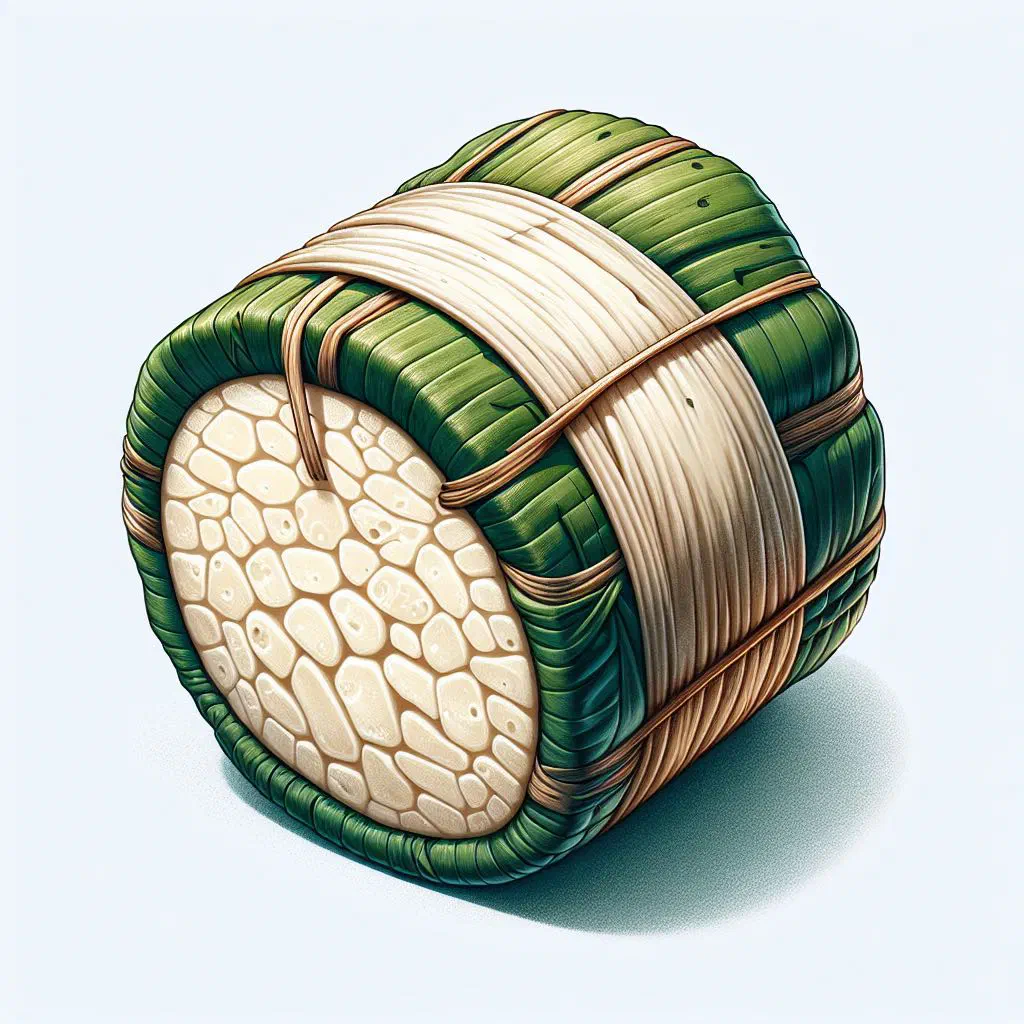
Discover Chikwangue, a cherished staple of the Democratic Republic of the Congo. This dense, tangy cassava paste is wrapped in banana leaves and steamed until firm, taking on a subtle aroma and a springy, satisfying texture. Enjoyed alongside rich meat and vegetable dishes across the country, it is humble comfort food at its finest, bring a taste of Central Africa straight to your own table.
About Chikwangue
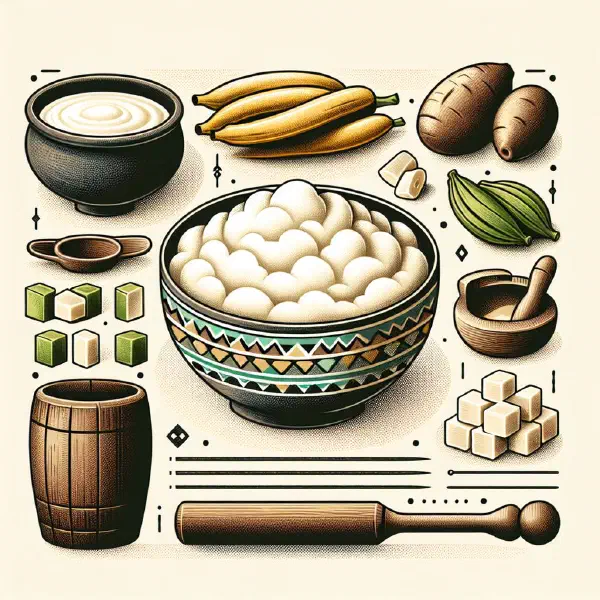
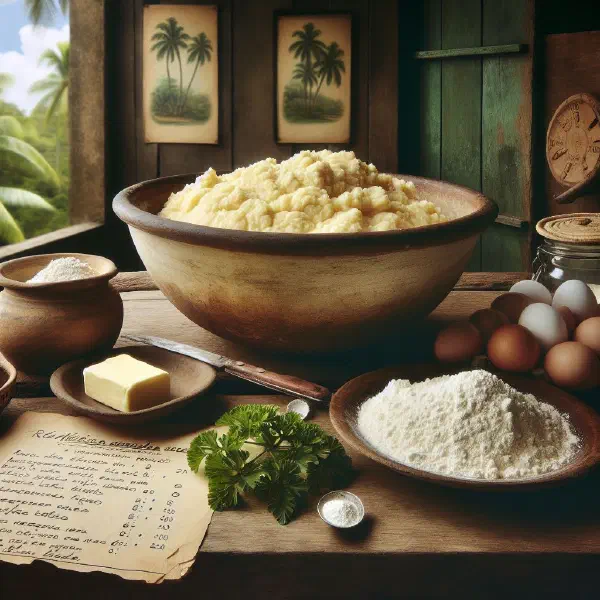
Chikwangue is a traditional dish from the Democratic Republic of the Congo, made from cassava flour. Preparing this distinctive food is an important part of Congolese food culture. It is often wrapped in banana leaves, which give it an interesting texture and a unique aroma. The dish is frequently served as a side to a variety of meat or vegetable dishes and is treasured as a staple food in many households, much like the fufu you’ll find in other corners of Congolese cuisine.
Ingredients (serves 1–2)
- 250 g cassava flour
- 500 ml water
- A pinch of salt
- Banana leaves (for wrapping)
Shopping for the ingredients
To source the ingredients for chikwangue, it is worth visiting an Asian supermarket or an organic food shop, as these often stock cassava flour and banana leaves. Alternatively, you may find them in some larger supermarkets in the gluten-free section or the international aisle. Be sure to choose fresh ingredients to get the very best flavour. It is always a good idea to check the quality of what is available so that your chikwangue turns out perfectly.
Preparing the dish
Before you start making chikwangue, prepare the banana leaves by cleaning them thoroughly and, if needed, warming them gently so they become more pliable. This makes wrapping the dish much easier. You will also need your water ready to achieve the right consistency for the dough. Don’t forget to measure the cassava flour carefully to stick to the stated quantity, as this has a direct effect on the final result.
Step-by-step instructions
- Place the cassava flour in a bowl and add a pinch of salt.
- Heat the water in a pan until boiling, then slowly pour it over the cassava flour.
- Mix the ingredients with a wooden spoon until a smooth, uniform dough forms.
- On a clean surface, shape the dough into a long, thick cylinder.
- Cut the banana leaves into suitable pieces and wrap the dough inside them, sealing the ends well.
- Cook the wrapped portions in boiling water for about 45 minutes.
- Remove the chikwangue from the water and let it cool briefly before serving.
Gluten-free / lactose-free version
Chikwangue is naturally gluten-free and lactose-free, as it is made solely from cassava flour. This makes it an excellent choice for anyone with a gluten intolerance or lactose intolerance. Take care that every ingredient you use, especially any spices or accompaniments, is also free from gluten and lactose, to avoid any cross-contamination. Your guests will enjoy the delicious, gentle texture of chikwangue without a worry about intolerances.
Tips for vegans and vegetarians
Chikwangue is a wonderful choice for vegans and vegetarians, since its main ingredient, cassava flour, is entirely plant-based. To make sure your chikwangue is fully vegan, prepare any sides and sauces without animal products too. Experiment with different plant-based accompaniments such as grilled vegetables or vegetarian sauces to add more flavour. That way your meal is nourishing and varied and full of taste, a fine partner to a bean dish like Madesu.
More tips and tricks
To make the very best chikwangue, it is important to achieve the right dough consistency. If the dough looks too dry, add a little more hot water; if it is too sticky, a little extra cassava flour will help. Wrapping in banana leaves takes some practice, but with a little patience anyone can master it. Try out different wrapping techniques to give your chikwangue a personal touch.
Adapting the recipe to your taste
Chikwangue is easy to adapt to your own individual taste. Experiment with extra spices or herbs in the dough to give the dish a personal note. A few ideas are pepper, garlic or even fresh herbs. To boost the nutritional value, you might also consider adding ground nuts or seeds to the dough, which introduces a new dimension of flavour and adds extra fibre.
Ingredient substitutions
If cassava flour is not available, you can also use yam flour or rice flour for similar results. However, the flavour of the dish will differ slightly. Make sure the alternatives are also gluten-free, if that is an important requirement for you. Experimenting with different types of flour can bring interesting and tasty variations of chikwangue, the same spirit of resourcefulness that shapes a classic like Fufu.
Drink pairing ideas
Chikwangue pairs well with a range of drinks that complement the flavours of the dish. A traditional example is palm wine, a fermented drink based on maize or sorghum. Alternatively, you might choose fresh fruit juices, especially pineapple or mango juice, which offer a sweet contrast to the savoury notes of the chikwangue. An unsweetened herbal tea can also make a refreshing companion.
Serving and presentation ideas
An appealing dish is a feast for the eyes. Present the chikwangue on a large plate, surrounded by colourful grilled vegetables or fresh salads. Decorate the dish with herbs or edible flowers to make it more visually inviting. Using traditional bowls or plates can also underline the authenticity of the dish and bring a touch of culture to your meal. Try it beside a fragrant Moambe.
A bit of history
Chikwangue is a delicious food and carries a history and cultural significance in the Democratic Republic of the Congo. It is regarded as a symbol of everyday life and is often served at special occasions and celebrations. It is said that the preparation of chikwangue has been passed down from generation to generation, with each family adding its own small variation to the recipe. This makes the dish a true expression of Congolese tradition and identity.
More recipe ideas
Summary: Chikwangue
Chikwangue is more than just a nourishing side; it is a culinary heritage of the Democratic Republic of the Congo that reflects the country’s cultural identity. Its simple preparation and the many ways it can be used make it a versatile dish for any occasion. With its hearty texture and gentle flavour, chikwangue complements countless main dishes and is sure to become a favourite in your kitchen too. Bring a piece of Congolese culture to your table and enjoy this delicious treat.