National Dish Congo: Mbika (Recipe)
In this article
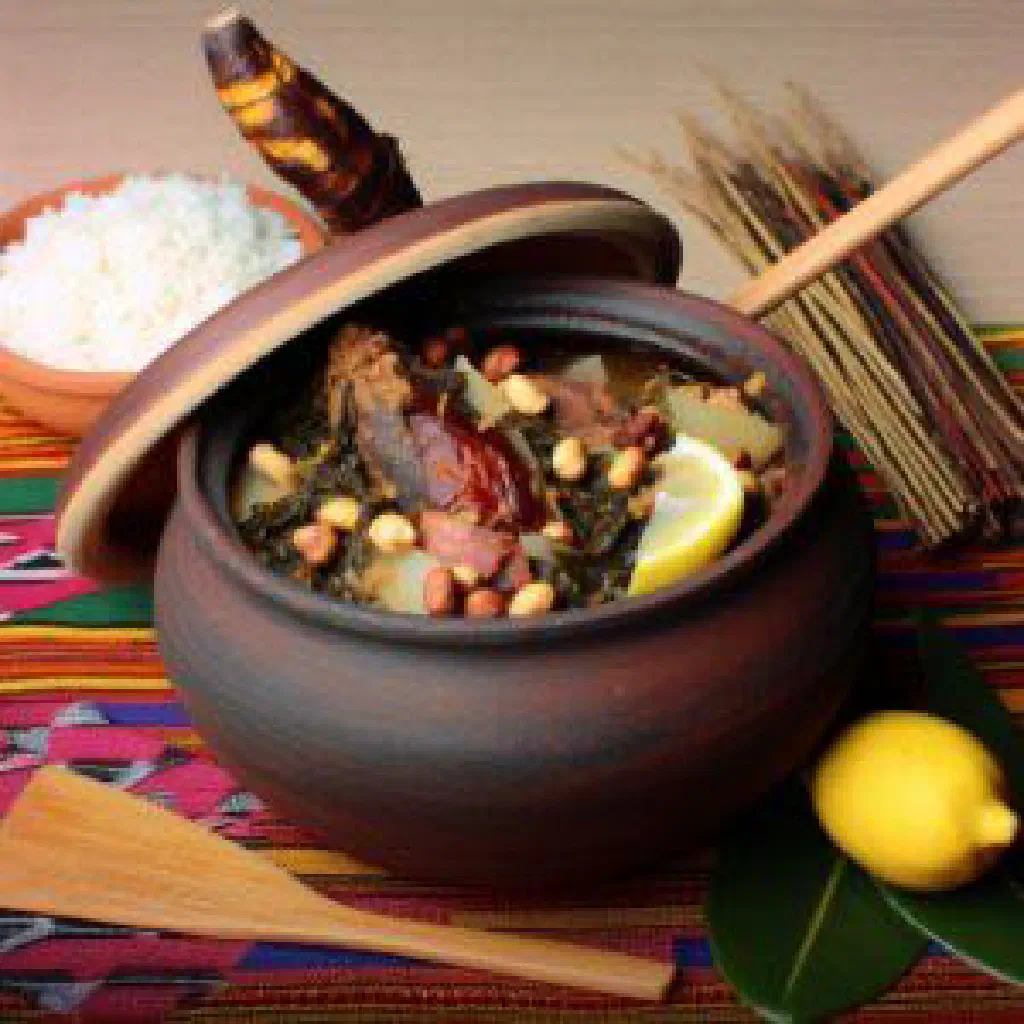
Mbika is what ground melon seeds become when they meet palm oil, tomatoes and a pot of greens: a thick, nutty, deeply savoury sauce that eats like a stew and is one of the cornerstones of Congolese home cooking. The seeds — known as egusi across West and Central Africa — thicken the pot all by themselves, which is precisely why the dish has been made this way for generations.
About Mbika
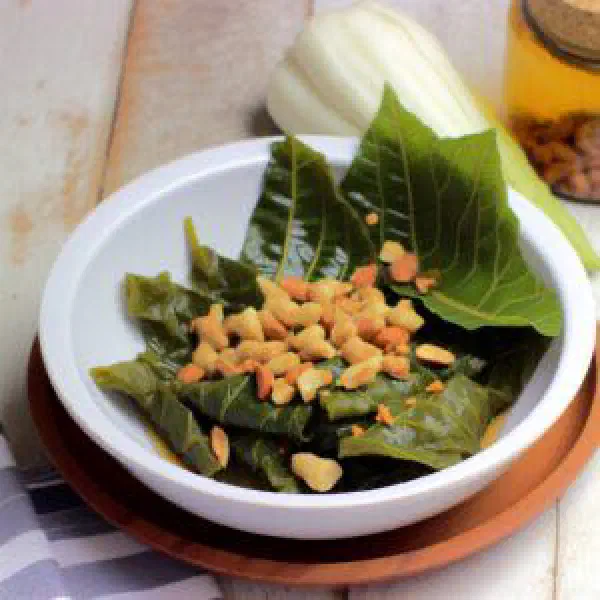
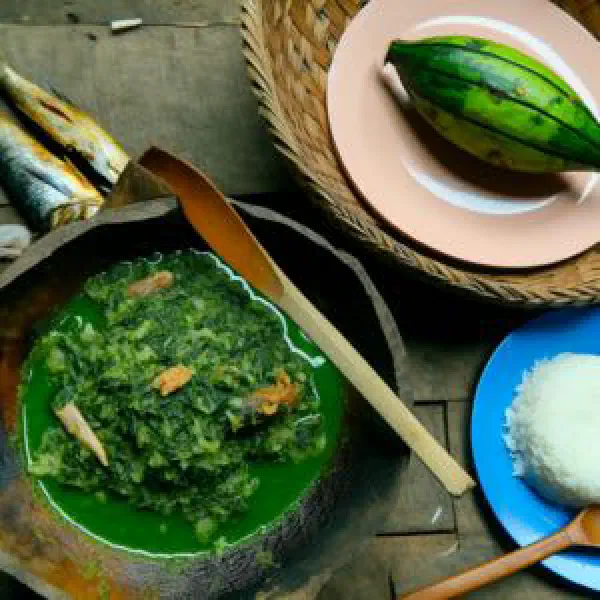
Congolese cooking offers a great many good things, but Mbika stands out. The dish is built on ground melon seeds (also known as egusi), simmered with leafy greens and palm oil into a rich, thick sauce. It is often served as a substantial main course and is a fixture at family tables across the country. With its layered flavours and the nutty texture of the seeds, mbika is a genuine feast that captures the authentic taste of the region.
Ingredients (serves 1–2)
- 100 g ground melon seeds (egusi; ground pumpkin seeds as a substitute)
- 200 g leafy greens (cassava leaves, or spinach or kale)
- 1 onion
- 2 tomatoes
- 2 garlic cloves
- 1–2 chillies, to taste
- 3 tablespoons palm oil (or vegetable oil)
- 300 ml water or stock
- Salt, to taste
Shopping for the ingredients
Ground egusi is sold in African grocers, often already milled, check that it smells fresh and nutty rather than stale, as the high oil content means it can turn. Red palm oil gives the dish its characteristic colour and flavour; look for the unrefined kind. Frozen cassava leaves are widely available and save a great deal of work compared with fresh ones.
Preparing the dish
Grind the melon seeds if you bought them whole, using a spice grinder, the texture should be like coarse flour. Chop the onion, tomatoes, garlic and chillies. If you are using cassava leaves, they need long cooking; spinach or kale need only minutes, so add them accordingly. Mix the ground seeds with a little water into a thick paste before they go into the pot.
Step-by-step instructions
- Heat the palm oil in a heavy pot over a medium heat.
- Soften the onion, garlic and chilli for 4–5 minutes.
- Add the chopped tomatoes and cook until they break down.
- Stir the ground melon seeds with a little water into a paste, then add to the pot.
- Pour in the remaining water or stock and simmer gently for 15 minutes, stirring often.
- Add the greens and cook until tender — 10 minutes for spinach, longer for cassava leaves.
- Season with salt and simmer until the sauce is thick and the oil rises to the surface.
Gluten-free / lactose-free version
Mbika is naturally free from both gluten and lactose, melon seeds, vegetables and oil are all it contains. Served in the traditional way with fufu, rice or plantains, the whole meal remains suitable for both intolerances.
Tips for vegans and vegetarians
The dish is vegan exactly as written, and the melon seeds provide substantial protein and richness, so it stands on its own as a main course. Where meat or smoked fish would traditionally be added, smoked tofu or a spoonful of smoked paprika delivers a comparable depth. It is one of the most satisfying plant-based dishes in Central African cooking.
More tips and tricks
Stir regularly once the ground seeds go in, as they catch on the base of the pot very readily. The sauce is ready when the oil separates and floats to the top. That is the traditional sign and worth waiting for. If the sauce is too thick, loosen it with hot water rather than cold, which would dull the flavour.
Adapting the recipe to your taste
Smoked fish or dried shrimp are common additions and give the sauce a powerful savoury depth. Some cooks add a spoonful of peanut butter alongside the melon seeds for extra richness. More chilli is entirely traditional, Congolese versions are usually assertive.
Ingredient substitutions
Ground pumpkin seeds substitute well for egusi and are far easier to find. Peanut butter can replace part of the melon seed for a similar thickening effect with a different flavour. Any robust green works: spinach, kale, chard or amaranth leaves all suit the pot.
Drink pairing ideas
Palm wine is the traditional accompaniment in Central Africa, tangy and slightly effervescent. A cold lager works just as well against the richness of the palm oil. For something alcohol-free, ginger beer or hibiscus juice (bissap) cuts through nicely.
Serving and presentation ideas
Serve mbika in a deep bowl with a mound of fufu, rice or boiled plantains beside it. It is eaten by hand in much of the region: pinch off a piece of fufu, dent it with your thumb and scoop. A little extra red palm oil drizzled over the top before serving looks striking and tastes even better.
A bit of history
Egusi seeds have been cultivated across West and Central Africa for thousands of years, valued because the plants grow readily in poor soil and the seeds keep well without refrigeration. Sauces built on them are found from Nigeria to the Congo Basin under many names, each region adding its own greens and aromatics. Mbika is the Congolese expression of that tradition and a genuine window onto Congolese cuisine.
More recipe ideas
Summary: Mbika
Mbika is ground melon seeds simmered with greens, tomato and palm oil into a thick, nutty sauce, filling, entirely plant-based and deeply traditional. Give it time to thicken until the oil rises, serve it with fufu or rice, and you have one of Central Africa’s great everyday dishes.