National Dish Congo: Mbisi ya Mayi (Recipe)
In this article
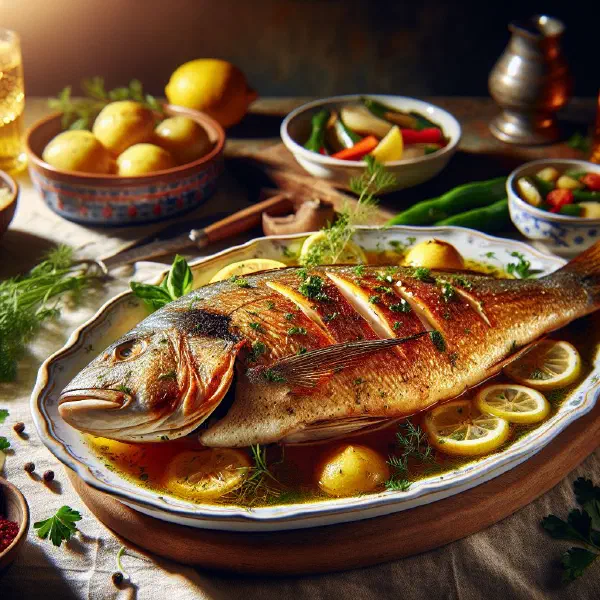
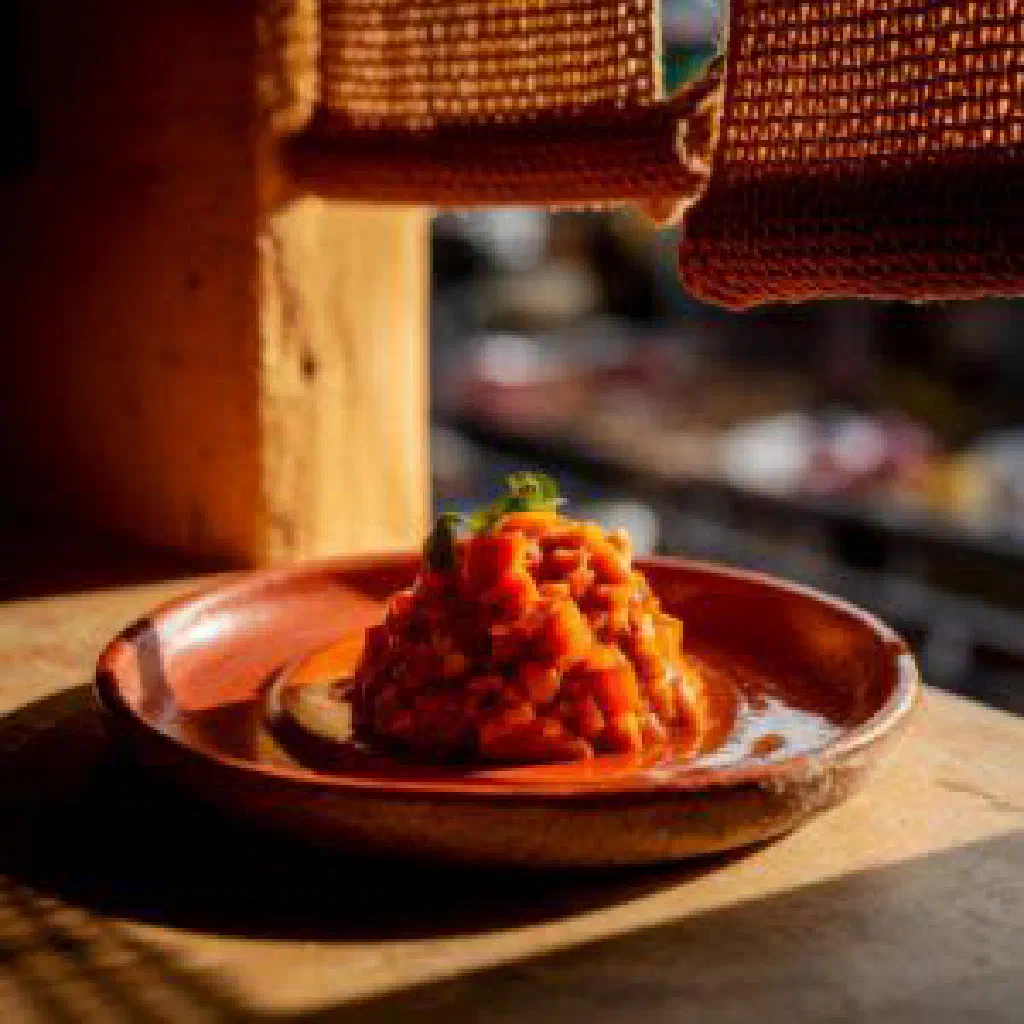
Meet Mbisi ya Mayi, a fish dish that sits at the very heart of Congolese cooking. Fresh fish is rubbed with aromatic spices and either fried or grilled until golden, then served with bright greens and a squeeze of lemon. Simple, wholesome and full of character, it reflects the Congo’s deep-rooted fishing traditions and its love of sharing good food with family and friends. Bring a taste of Central Africa to your own table.
About Mbisi ya Mayi
Mbisi ya Mayi is a standout national dish of the Congo that beautifully captures the country’s culinary diversity. At its heart is fresh fish, most often served either fried or grilled. A carefully chosen mix of aromatic spices delivers a flavour that appeals to the palate. More than just a pleasure to eat, the dish is part of the rich culture of the Congo, mirroring the varied traditions and everyday life of its people.
Ingredients (serves 1–2)
- 2 fresh fish (such as tilapia or perch)
- 2 tablespoons vegetable oil
- 1 onion, finely chopped
- 2 cloves garlic, chopped
- 1 teaspoon paprika
- Juice of 1 lemon
- 1 teaspoon salt
- 1 teaspoon pepper
- Fresh greens to serve (such as chard or spinach)
Shopping for the ingredients
When shopping for the ingredients for Mbisi ya Mayi, pay close attention to the freshness of the fish. Ideally, buy it straight from the fishmonger or from a trusted fish market. Choose fresh greens too, to bring out the healthy side of the dish. Reach for organic spices wherever you can, so you experience the full flavour of Congolese cooking.
Preparing the dish
Preparing Mbisi ya Mayi involves a few steps, but they are easy to follow. Begin by cleaning and gutting the fish, if this has not already been done. Next, rub it with lemon juice to intensify the flavour. The onions and garlic can be prepared by chopping them finely; you will need these ingredients later for the marinade.
Step-by-step instructions
- Rinse the fish thoroughly under water and leave to drain.
- In a bowl, combine the onions, garlic, paprika, salt and pepper.
- Coat the fish with the spice mixture and leave to marinate for at least 30 minutes.
- Heat a pan with vegetable oil and fry or grill the marinated fish until golden brown.
- Prepare the sautéed greens and serve them alongside the fish.
Gluten-free / lactose-free version
Mbisi ya Mayi is naturally gluten-free and lactose-free, making it an excellent choice for anyone with particular dietary needs. Do check every spice and oil you use to make sure they contain no hidden allergens. In general the dish offers a healthy, nourishing option that slots easily into a gluten-free or lactose-free diet.
Tips for vegans and vegetarians
Although Mbisi ya Mayi is a fish dish, vegans and vegetarians can prepare a plant-based version. Simply replace the fish with seasoned, grilled vegetables such as courgettes, aubergines or tofu for a tasty alternative. Use the same spices and marinades to keep the dish’s authentic flavour. This variation is vegan and a healthy and delicious solution for anyone eating plant-based, much like the hearty Madesu bean stew.
More tips and tricks
To get the best possible result from your Mbisi ya Mayi, it is important not to overcook the fish. Aim for a golden browning that keeps the flesh juicy and full of flavour. Experimenting with different spices or marinades can further personalise the dish and adapt it to your own preferences. Adding fresh herbs such as coriander can also lend an extra burst of freshness.
Adapting the recipe to your taste
The lovely thing about Mbisi ya Mayi is how adaptable the recipe is. If you prefer a spicier note, for example, you can add chilli or hot spices. Vegetarians can throw in extra kinds of vegetables to make the dish even more varied.
Ingredient substitutions
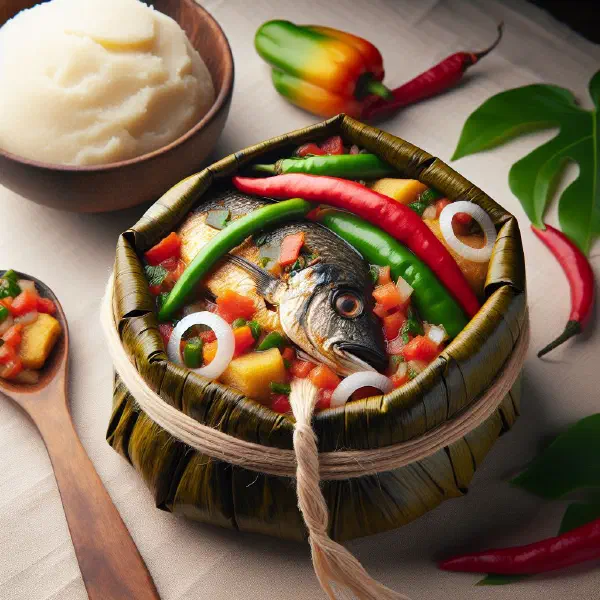
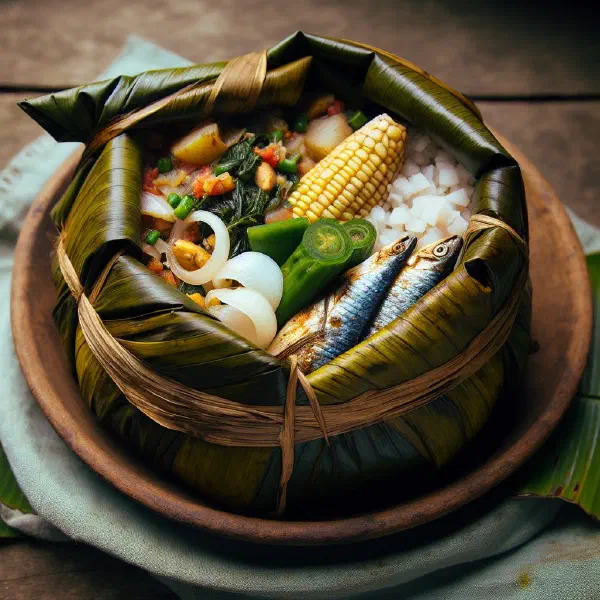
If you cannot get hold of fresh fish, you can also use frozen fish, which is available in many supermarkets. Another good alternative is a fillet of another fish that is similar in flavour and texture, the same approach that works in a parcel-cooked Liboke de Poisson. For the marinade you might also try different oils or flavoured vinegars to create new flavour combinations. These alternatives keep the dish flexible and more accessible to everyone.
Drink pairing ideas
A variety of drinks pairs wonderfully with Mbisi ya Mayi. A freshly squeezed lemon juice or a cool, light beer make ideal companions that complement the flavours of the dish. For those who prefer alcohol-free options, a fruity smoothie or a refreshing herbal tea works well. These combinations ensure your meal is perfectly rounded off.
Serving and presentation ideas
A beautiful presentation makes the meal even more inviting. Serve Mbisi ya Mayi on a large plate, garnished with fresh coriander or other greens. Add a few slices of lemon to give the dish colour and an extra layer of flavour. It pairs naturally with a starchy side such as Fufu.
A bit of history
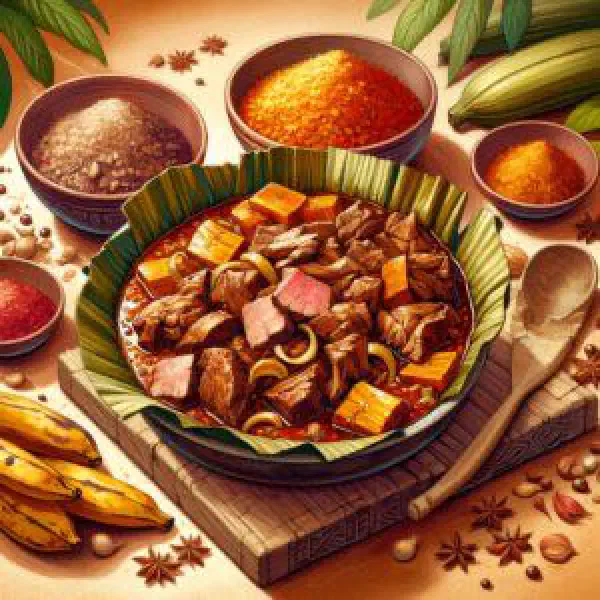
Mbisi ya Mayi has its roots in Congolese cooking, which is known for its richness and variety. This way of preparing fish reflects the strong fishing traditions and the connection to nature found in many Congolese communities. Historically, fish has been an important source of food in the Congo and was often prepared for festive occasions to be shared with family and friends. The dish is therefore also a symbol of community and hospitality, standing proudly alongside other classics of Congolese cuisine such as Poulet Moambe.
More recipe ideas
Summary: Mbisi ya Mayi
Mbisi ya Mayi is a culinary experience that embodies the flavours and traditions of the Congo. With its many possibilities for adaptation and its fresh ingredients, it suits every food lover. The combination of healthy fish and aromatic spices makes it an excellent choice for a tasty and nourishing meal. Let this dish inspire you and discover the appealing cuisine of the Congo.