National Dish Congo: Mwambe (Recipe)
In this article
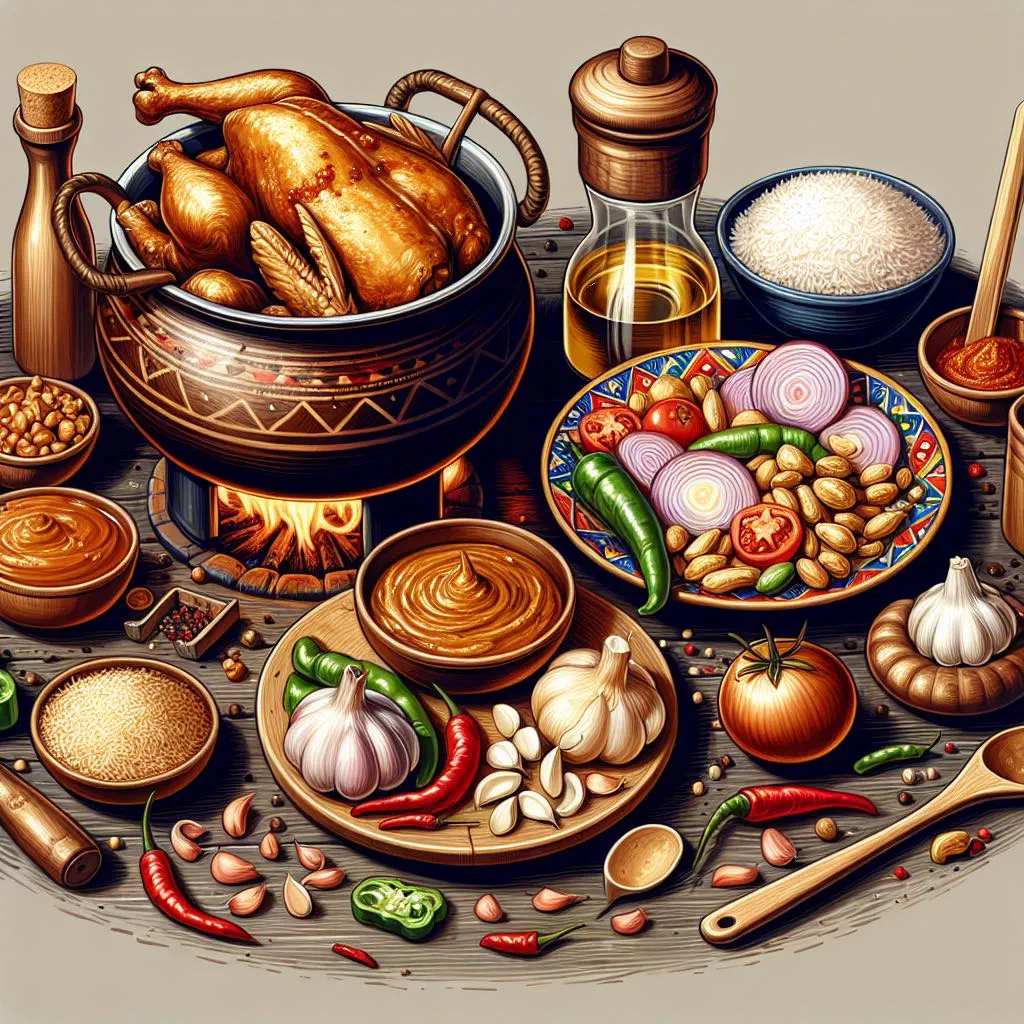
Discover Mwambe, a comforting classic at the heart of Congolese cooking. This rich, velvety peanut sauce wraps tender pieces of meat and fresh greens in a warmly spiced embrace. Creamy, satisfying and endlessly adaptable, it is a dish made for gathering around the table with family and friends. Bring the deep, nutty flavours of Central Africa straight into your own kitchen.
About Mwambe
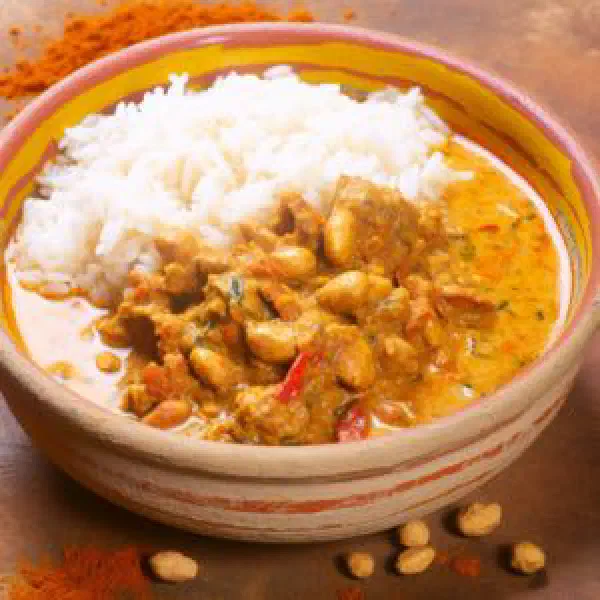
Mwambe is far more than just a meal; it is a cornerstone of the culinary culture of Congo. This delicious peanut sauce wins people over with its creamy texture and its unmistakable flavour, built from high-quality, fresh ingredients. Traditionally, Mwambe is served with tender meat and fresh vegetables, which makes the dish wonderfully varied. The interplay of different aromas and spices turns it into an experience that stays with you long after the last spoonful.
Ingredients (serves 1–2)
- 250 g peanut butter
- 200 ml water or vegetable stock
- 400 g chicken (or another meat of your choice)
- 1 onion
- 2–3 cloves of garlic
- 1–2 teaspoons red pepper paste or spices of your choice
- Salt and pepper to taste
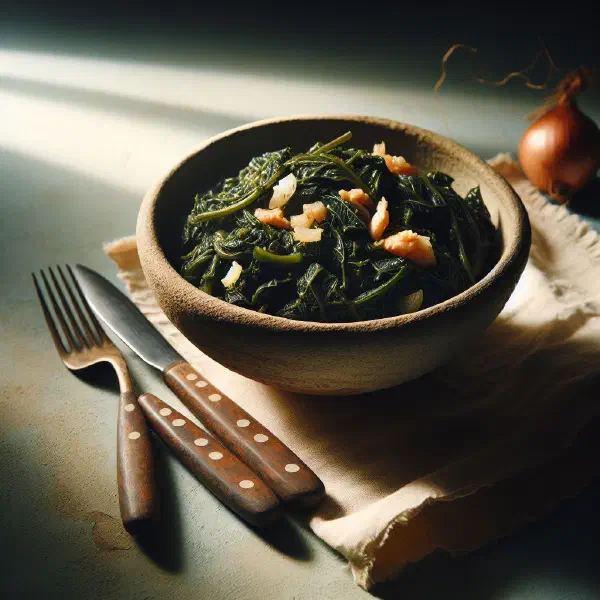
- Fresh greens (such as spinach or chard)
Shopping for the ingredients
To prepare an authentic Mwambe, it is important to track down the right ingredients. Many of the basics, such as peanut butter and spices, are available in any well-stocked supermarket. Fresh vegetables and chicken are best sourced from a local market, where you will find fresh, high-quality produce. If you are not keen on peanut butter, you can also try almond or cashew butter to bring a little variety to the dish.
Preparing the dish
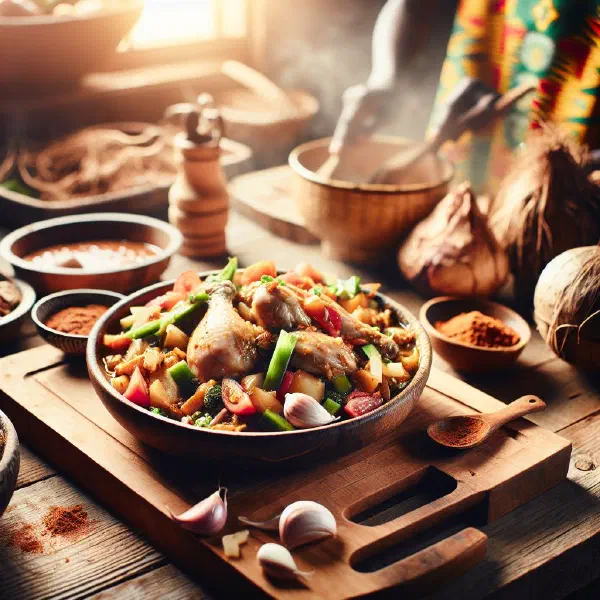
Before you start cooking, it pays to prepare all the ingredients well. The meat should be cut into even pieces to ensure it cooks through evenly. The onion and garlic need to be chopped too, as they are essential for building the flavour of the dish. Another important step is preparing the greens, which should go into the peanut sauce fresh and crisp.
Step-by-step instructions
- Heat a little oil in a large pot and sauté the onion and garlic until translucent.
- Add the chicken and fry until golden brown.
- Pour in the water or vegetable stock and bring the mixture to the boil.
- Reduce the heat and stir in the peanut butter along with the pepper paste. Stir well until you have a creamy sauce.
- Add the chopped greens and let the dish simmer for around 10 minutes.
- Season with salt and pepper and serve.
Gluten-free / lactose-free version
For anyone with a gluten or lactose intolerance, Mwambe is easy to prepare. The main ingredients are naturally gluten-free, though it is worth checking that your peanut butter is gluten-free too. There is no need for any dairy in this dish, which makes it ideal for a lactose-free diet. By choosing the right ingredients, the pleasure of Mwambe stays open to everyone.
Tips for vegans and vegetarians
Vegans and vegetarians can enjoy Mwambe with ease by simply swapping the chicken for tofu or tempeh. These alternatives soak up the flavours of the peanut sauce beautifully and make for a protein-rich meal. You can also add a range of vegetables such as carrots, broccoli or peppers to make the dish even more colourful and nutritious. There are countless ways to prepare Mwambe in a fully plant-based style.
More tips and tricks
The key to a successful Mwambe lies in the quality of the ingredients. Use fresh produce and good peanut butter to bring out the best flavour. Experiment with different spices to tailor the dish to your taste. You can also turn up the heat by adding more pepper paste or a few fresh chillies, much as you would with a hearty Madesu bean stew.
Adapting the recipe to your taste
Mwambe is an extremely flexible dish and easy to adapt to personal preference. If you prefer it milder, simply reduce the amount of spice you use. Otherwise you can play with extra hot chillies to season it exactly as you like. That makes it a brilliant choice for family meals, since everyone can find something to suit their taste.
Ingredient substitutions
If you do not have peanut butter to hand, cashew butter works very well too and lends the dish a different but equally delicious note. For a gluten-free version, you just need to make sure you pick a stock and spices that contain no gluten. You can also swap the chicken for fish to create a more maritime take on the dish, in the spirit of a Liboke De Poisson.
Drink pairing ideas
A range of refreshing drinks suits a hearty Mwambe, such as lime juice or sparkling mineral water with a squeeze of lemon. A light wheat beer or a fresh ginger ale also harmonises wonderfully with the creaminess of the peanut sauce. For an alcohol-free option, consider a homemade hibiscus tea, which is not only tasty but good for you too.
Serving and presentation ideas
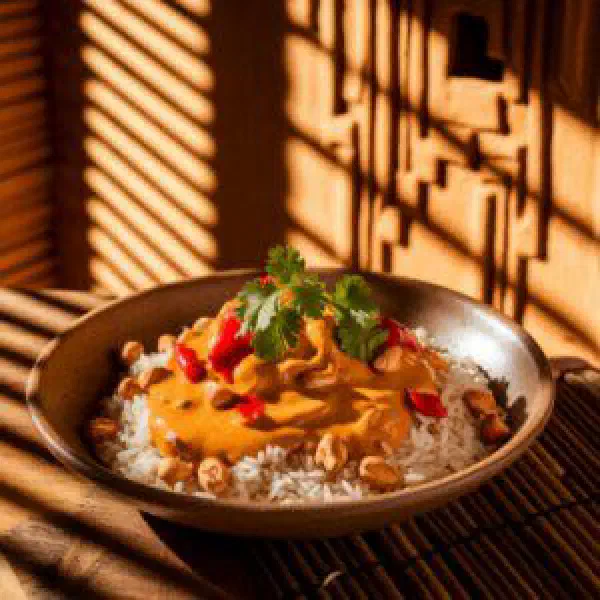
An attractive presentation can make the Mwambe experience even better. Serve the dish in a shallow bowl, garnish it with fresh coriander or spring onions, and offer it alongside steamed rice or Fufu. Colourful vegetable sides add to the visual appeal too. A little care with the decoration turns the meal into a special occasion.
A bit of history
Mwambe has its roots in the traditional cooking of Congo and is a symbol of the country’s social and cultural traditions. It is often served at celebrations and large family gatherings, and it is an expression of hospitality. Preparing the dish is frequently seen as a shared experience, one that brings family and friends together. Mwambe draws the community close as everyone enjoys the delicious, culturally rich flavours of Africa that run through so much of Congolese cuisine.
More recipe ideas
Summary: Mwambe
Mwambe is a generous, aromatic dish that brings together the many flavours of Congo in a single pot. The combination of tender meat, fresh greens and a creamy peanut sauce makes it a perfect choice for festive occasions or convivial meals. Let its inviting flavours enchant you and savour a piece of African culture in your own kitchen.