National Dish Congo: Saka-Saka (Recipe)
In this article
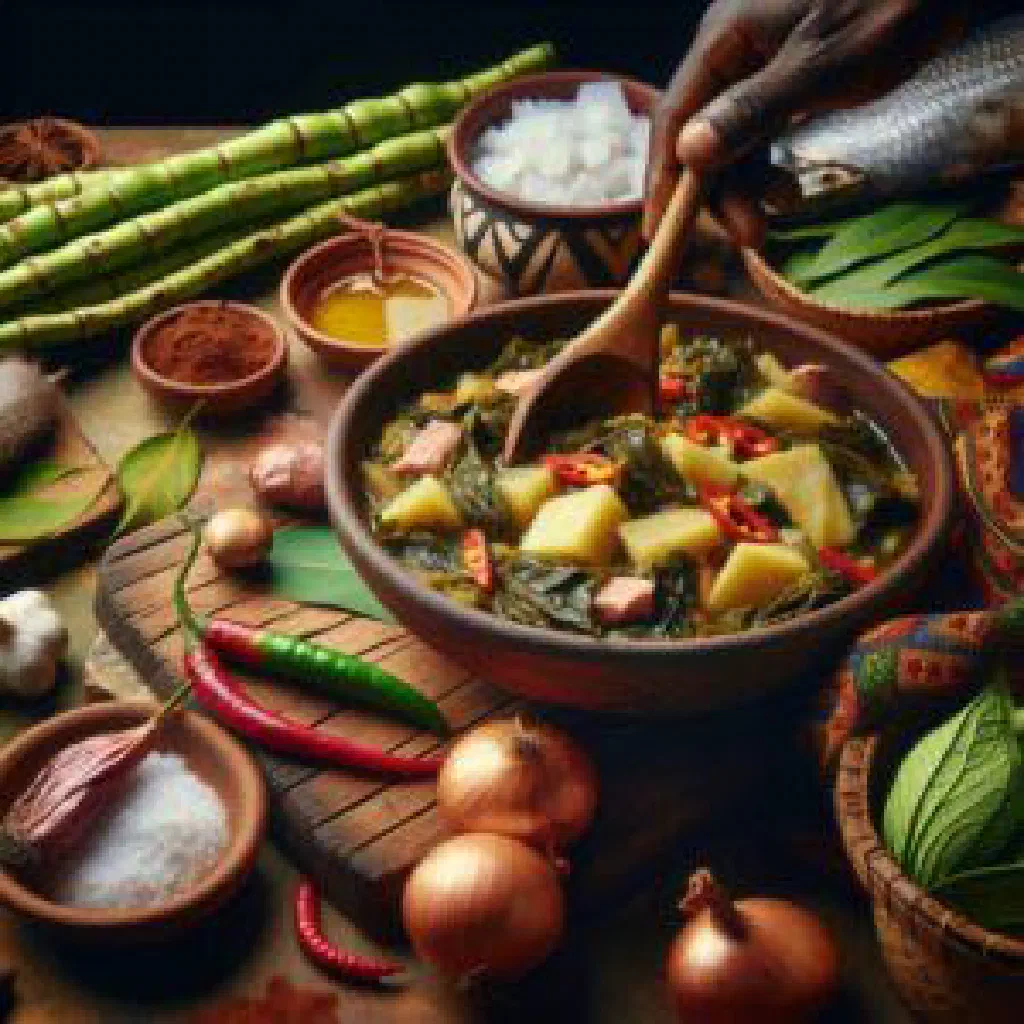
Discover Saka-Saka, the beloved national dish of the Congo. This traditional stew of tender, slow-cooked cassava leaves carries the warmth and generosity of Central African cooking in every spoonful. More than simply a meal, it is a dish woven into everyday family life, humble, nourishing and full of gentle, earthy flavour. Bring a taste of the Congo straight to your own kitchen with this simple, satisfying recipe.
About Saka-Saka
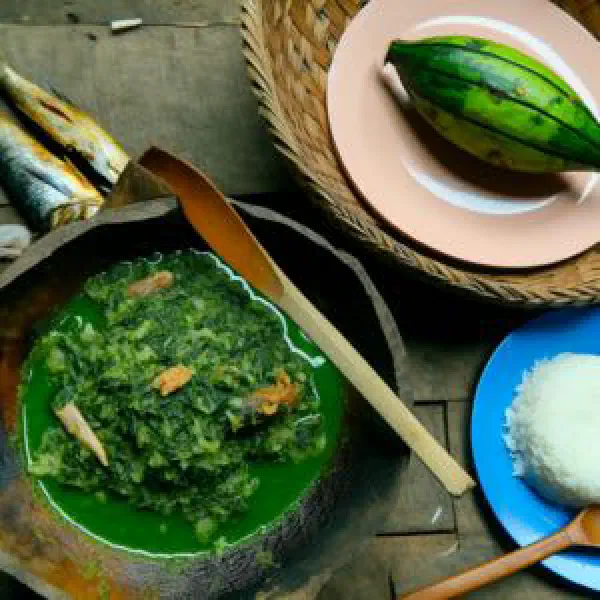
Saka-Saka is a cherished dish from the Congo, built around juicy cassava leaves that are simmered long and slow until wonderfully soft. It brings together the exotic character and comforting flavours of an entire region, and it is as much a symbol of community and culture as it is a plate of food. Gently spiced and enriched with coconut milk, it is a hearty, welcoming dish enjoyed at family tables and gatherings alike, a true cornerstone of Congolese cuisine.
Ingredients (serves 1–2)
- 300g fresh cassava leaves, or frozen leaves as an alternative
- 1 medium onion, finely chopped
- 2 cloves of garlic, finely chopped
- 200ml coconut milk
- Palm oil or another cooking oil
- 1 tsp vegetable stock powder or a stock cube
- Salt to taste
- Optional: chilli to taste
- Optional: fish or meat for the non-vegetarian version
Shopping for the ingredients
For the best cassava leaves, head to your local African grocer, or take a look in a well-stocked Asian supermarket. Coconut milk and the remaining ingredients are easy to find in a regular supermarket, or likewise in an Asian food shop. Choosing fresh, good-quality produce makes all the difference to the finished dish.
Preparing the dish
Before the cooking begins, the cassava leaves should be washed thoroughly and, where necessary, stripped from their stalks. Roughly chop the leaves once they are clean. It is also worth finely chopping the onion and garlic in advance, so that everything is ready to go once you start cooking.
Step-by-step instructions
- Heat a little palm oil in a medium pan and sauté the onion and garlic until fragrant.
- Add the chopped cassava leaves and let them sweat down briefly.
- Stir in the coconut milk and vegetable stock, then bring everything to the boil.
- Reduce to a medium heat, cover with a lid, and let it simmer gently for at least 60 minutes, until the leaves are tender.
- Stir regularly throughout, adding a splash of water whenever needed.
- Optional: brown some meat or fish in a separate pan and add it towards the end of the cooking time.
- Season to taste with salt and chilli.
Gluten-free / lactose-free version
Saka-Saka is naturally gluten-free and lactose-free, which makes it a wonderfully inclusive dish. The base recipe contains no wheat and no dairy, relying on coconut milk for its creaminess rather than butter or cream. If you are serving guests with intolerances, simply double-check that your stock powder and any optional extras are free from gluten and lactose, and everyone can enjoy the dish without a second thought.
Tips for vegans and vegetarians
The basic recipe for Saka-Saka is already vegan. When shopping, simply look for sustainably produced palm oil, or swap it for another plant oil of your choice. If you would like a little more protein, cooked chickpeas or tofu stirred in at the end work beautifully and keep the dish entirely plant-based.
More tips and tricks
Cassava leaves can taste slightly bitter if they are not prepared properly, so make sure to cook them well until that bitterness fades away. For extra creaminess, a spoonful of peanut butter can be stirred through the stew, a trick that also brings Saka-Saka closer in spirit to a rich Moambe.
Adapting the recipe to your taste
The heat of the dish is easy to control through the amount of chilli you add. If you prefer something a little less traditional, you can also use greens such as spinach or kale to supplement or replace the cassava leaves, much as you might in a comforting bowl of Pondu.
Ingredient substitutions
If you cannot get hold of cassava leaves, spinach or kale make a good stand-in. For the coconut milk, cream or another plant-based milk can be used in case of intolerance, without losing the silky texture that defines the dish.
Drink pairing ideas
A fresh, crisp white wine with plenty of acidity is an excellent match for Saka-Saka. For alcohol-free alternatives, a chilled hibiscus tea or fresh coconut water both work wonderfully, underlining the dish’s tropical aromas.
Serving and presentation ideas
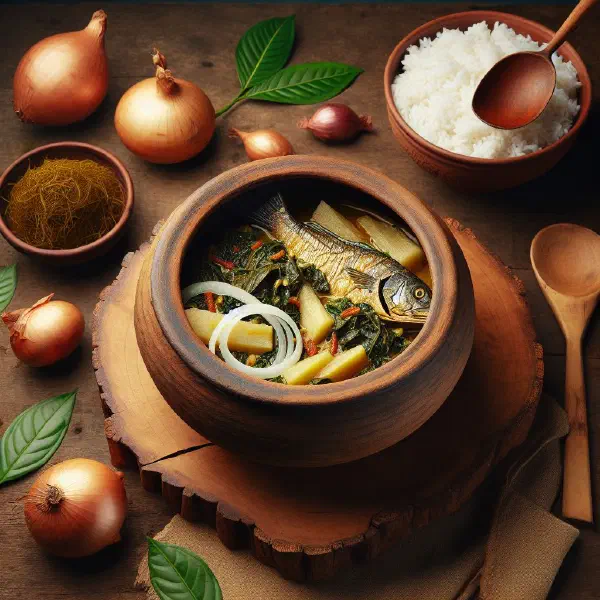
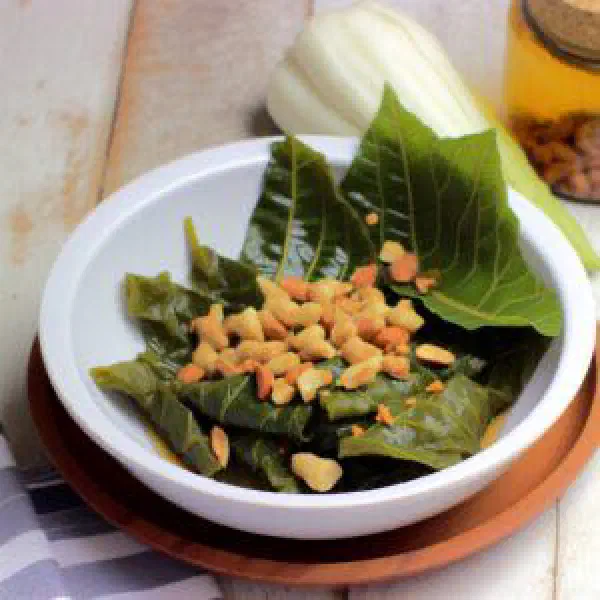
Serve your Saka-Saka in an attractive ceramic bowl to highlight the earthy, natural character of the dish. A scattering of fresh herbs as a garnish adds a welcome touch of colour and extra flavour. A side of Fufu or Chikwangue rounds the meal out perfectly and soaks up the sauce.
A bit of history
Saka-Saka has its origins in Central Africa and is closely bound up with the cultural heritage of the Congo. Thanks to the nutritional value and local abundance of cassava leaves, it served for centuries as a staple food for countless families across the region, a dish born of the land and passed down through generations.
More recipe ideas
Summary: Saka-Saka
Saka-Saka is an exotic and delicious discovery from the heart of Africa. With this recipe you can bring a piece of Congolese culture into your own kitchen and enjoy a wholesome dish that shines in both its traditional and adapted forms. Experiment with the ingredients and find your own favourite version of the Congo’s much-loved national dish.