National Dish Costa Rica: Arepas (Recipe)
In this article
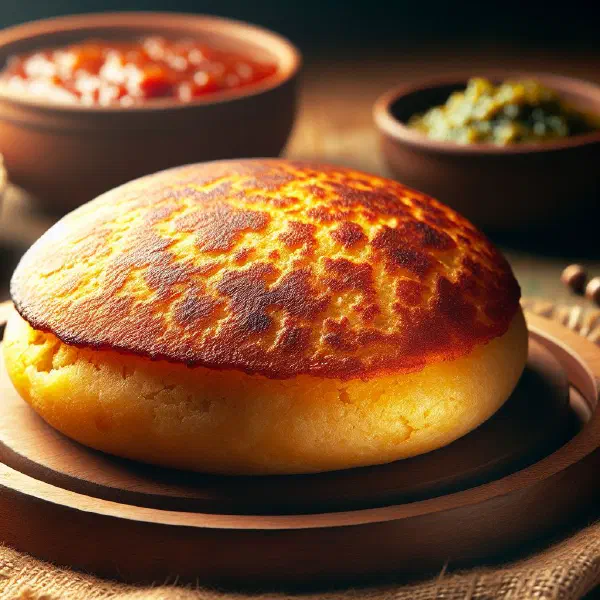
Say hello to Arepas, the golden, endlessly fillable cornmeal patties beloved across Costa Rica and Latin America. These crisp-edged, tender-centred rounds are made from little more than cornmeal and water, yet they carry centuries of tradition in every bite. Split one open and pack it with melting cheese, creamy avocado or savoury beans, the choice is entirely yours. Bring a taste of Costa Rica’s warm, welcoming kitchens straight to your own table.
About Arepas
Arepas are a traditional dish treasured above all in Costa Rica and other Latin American countries. They are built mainly from cornmeal, worked into a smooth, pliable dough. What makes arepas so remarkable is their sheer versatility, as they can be filled with a huge range of ingredients. Fresh vegetables or even meat, the possibilities are all but endless, one of the reasons they sit so comfortably within the wider world of Costa Rican cuisine.
Ingredients (serves 1–2)
- 1 cup cornmeal
- 1 cup water
- 1 teaspoon salt
- Oil, for frying
- Filling of your choice (e.g. cheese, avocado, beans)
Shopping for the ingredients
When choosing the ingredients for your arepas, it pays to keep an eye on the quality of the cornmeal. Several varieties exist, but the best choice for arepas is usually the pre-cooked cornmeal known as masarepa. Alongside the basics, pick fresh fillings to guarantee the best flavour. When selecting your vegetables or cheese, you can also reach for local ingredients to give the dish an especially authentic character.
Preparing the dish
First, combine the cornmeal with the salt. Then gradually add the water and knead the dough until it reaches a smooth, supple consistency. Take care that the dough does not turn too sticky, but stays easy to shape. Finally, let it rest for around 10 minutes so the ingredients can settle and the mixture can hydrate fully.
Step-by-step instructions
- Shape the dough into small balls, then flatten them into neat little discs.
- Heat a little oil in a pan and fry the arepas until golden brown on both sides.
- After frying, let the arepas drain on kitchen paper to remove any excess oil.
- Before serving, slice them open and fill to taste.
Gluten-free / lactose-free version
Arepas are naturally a gluten-free dish, since they are made from cornmeal. This makes them an excellent choice for anyone with a gluten intolerance. You can just as easily pick lactose-free options for the fillings, such as plant-based cheese alternatives or fresh vegetables. That way every guest can enjoy these delicious arepas, whatever their dietary needs.
Tips for vegans and vegetarians
For vegan or vegetarian arepas, you can build the filling entirely around your own preferences. A mix of grilled vegetables, beans and avocado works wonderfully and makes for a tasty, nourishing meal, much like the hearty comfort of Arroz Con Frijoles. Be sure to use fresh, seasonal produce for the best flavour. Arepas are also highly adaptable, so feel free to experiment with different spices and aromas.
More tips and tricks
If you are making arepas for the first time, it is important to keep an eye on the temperature of the oil. Oil that is too hot can leave the arepas burnt on the outside while still raw within, so a medium heat is ideal. You can also keep the arepas warm in a low oven while you finish cooking the rest. This ensures every arepa reaches the table fresh and delicious.
Adapting the recipe to your taste
Arepas are extremely adaptable, letting you tailor the filling to your personal preferences and those of your guests. You might add spicy or mild salsas, for example, to vary the whole eating experience. Experiment with different cheeses too, or fold in pulses to work protein into the dish in a wholesome way. That way every arepa meal becomes a fresh culinary discovery.
Ingredient substitutions
If you do not have specific fillings on hand, there is no limit to your creativity. Various vegetables, or even leftovers from other dishes, can make an excellent filling for your arepas, a bit like the resourceful spirit behind Picadillo. This makes the recipe flexible and sustainable. And if you cannot find cornmeal, there are gluten-free flours made from other grains worth trying.
Drink pairing ideas
A whole range of drinks pairs beautifully with a good arepa. A refreshing homemade iced tea or lemonade brings a sweet note that complements the savoury fillings. For a more authentic touch, you could serve traditional drinks such as chicha or aguas frescas. Try the refreshing Horchata Tica for a local favourite. Experiment with different flavours to find the perfect companion.
Serving and presentation ideas
The way you present your arepas can lift the whole culinary experience. Serve them on a colourful plate and garnish with fresh herbs or a squeeze of lime juice. Small bowls of different dips and salsas make the meal more interactive and inviting. Keep the colours and textures of the fillings in mind to boost both the look and the appetite appeal.
A bit of history
The arepa has its roots in the indigenous cooking of Latin America and is especially closely tied to Venezuelan and Colombian gastronomy. Its preparation has proven remarkably flexible over the centuries. In Costa Rica they are sought-after snacks, prepared both in street food stalls and at home. The dish is a symbol of tradition and community, bringing people together around the table.
More recipe ideas
Summary: Arepas
Arepas are a delicious dish and a wonderfully versatile one, offering endless possibilities in both preparation and filling. They are perfect for any occasion, whether a light lunch, a snack or the main meal for the whole family. The combination of fresh ingredients and a personal flourish makes your arepas a genuine treat. Experience the flavours of Costa Rica right in your own kitchen.