National Dish Costa Rica: Casado (Recipe)
In this article
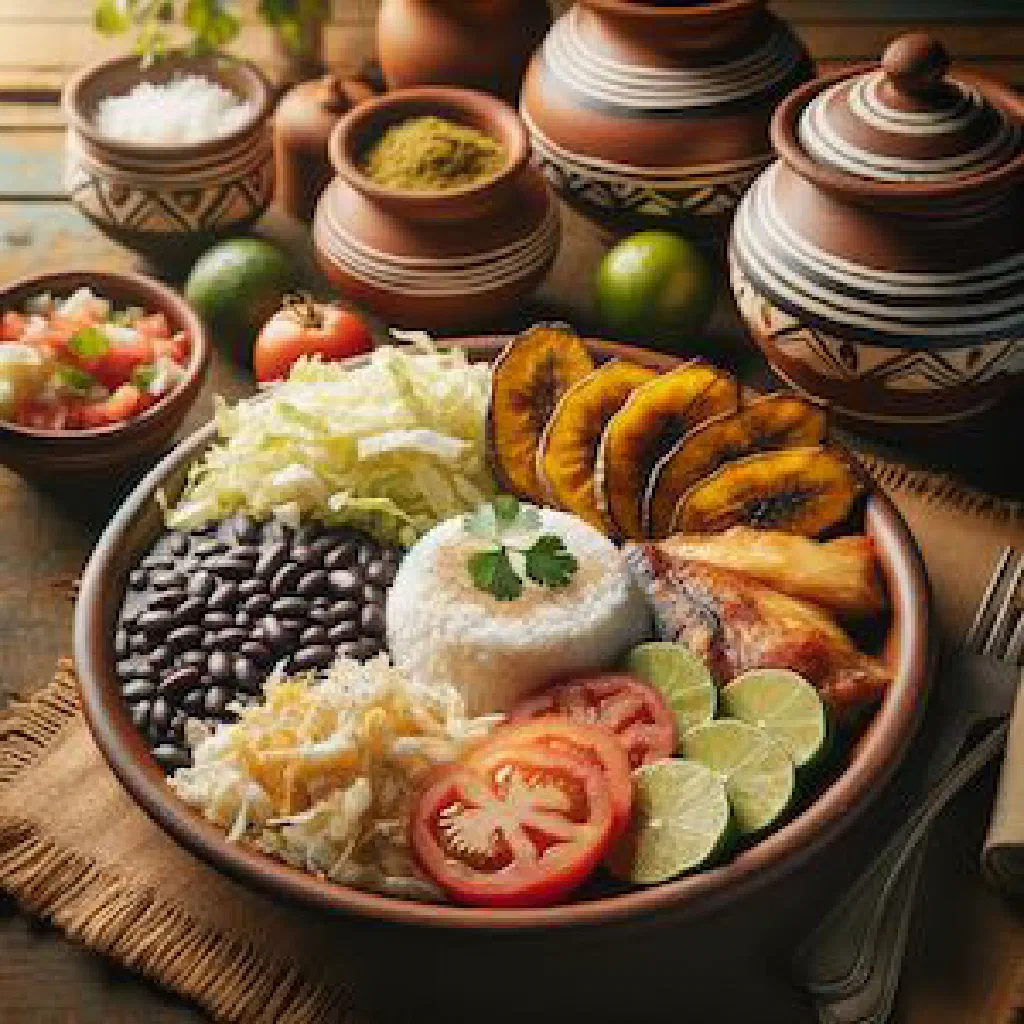
Say hello to Casado, the plate that sums up the easygoing spirit of Costa Rica. This generous meal brings together rice, black beans, sweet fried plantains, a crisp salad and a piece of meat or fish, all sharing one platter in perfect harmony. It is the sort of honest, nourishing food you will find on lunch tables and in roadside sodas the length of the country. Bring a taste of the tropics home and build your own colourful Casado from scratch.
About Casado
Casado stands out in the rich culinary world of Costa Rica as a dish that mirrors the country’s love of life and everyday habits. What makes it so special is its combination of simplicity and variety. At its core it brings together rice, black beans, salad, plantains, a piece of meat or fish, and often a slice of cheese or a fried egg. The hallmark of a Casado is the way these different flavours meet on a single plate to create a balanced, nourishing meal that never feels heavy-handed.
Ingredients (serves 1–2)
- 150 g white rice
- 150 g black beans, cooked
- 1 large ripe plantain
- 2 small chicken breast fillets or 2 fish fillets
- Salt, pepper and spices of your choice
- 2 tablespoons vegetable oil
- A few salad leaves
- 1 tomato
- Optional: 1 fried egg
- Optional: a slice of white cheese
Shopping for the ingredients
For an authentic Casado, the quality of the basic ingredients makes all the difference. It is best to visit a local market or reach for organic produce to get the freshest vegetables and meat. The plantains should be properly ripe, which you can tell from their dark, almost black skin. Rice and black beans are pantry staples, and much like the ingredients for a hearty Gallo Pinto, they are easy to find in any well-stocked supermarket.
Preparing the dish
Preparing a Casado is easier if you get a little groundwork done in advance. To save time, the black beans can be soaked and cooked the evening before. The rice should be rinsed thoroughly to wash away excess starch and stop the grains from sticking together. With your components prepped and lined up, the individual parts of the dish come together quickly and calmly.
Step-by-step instructions
- Cook the rice in a pan with twice its volume of water until soft and fluffy.
- Heat a little oil in a frying pan, slice the plantains and fry them until golden brown on both sides.
- Rub the meat or fish with salt, pepper and spices, then brown in a separate pan on both sides until cooked through.
- Wash the salad leaves and arrange them with the sliced tomato.
- Fry the egg in a pan, if you like.
- Assemble everything on a large plate: a big spoonful of rice, the beans alongside, then the meat or fish, the fried plantains and the salad. Add the fried egg and cheese if using.
Gluten-free / lactose-free version
Casado is naturally gluten-free, as its core of rice, beans, plantains and grilled meat contains no wheat at all. Just double-check any spice blends or sauces you add. To keep the plate lactose-free, simply leave out the slice of white cheese or swap it for a plant-based alternative. With these small adjustments, everyone at the table can enjoy the dish without a second thought.
Tips for vegans and vegetarians
Casado adapts beautifully to a meat-free diet. Vegetarians can simply leave out the chicken or fish, or replace it with tofu for protein. To make the plate fully vegan, skip the fried egg and cheese and lean on the beans, rice and plantains, which are hearty enough to satisfy on their own. A little extra salad and some sautéed vegetables round things out nicely.
More tips and tricks
To make the dish even tastier, add a little onion, garlic and fresh coriander while the beans cook, letting them soak up plenty of flavour. Give the rice a few minutes to rest after cooking to reach the perfect fluffy consistency before you serve it. A spoonful of well-seasoned beans, much like the ones in a bowl of Frijoles Negros, can lift the whole plate.
Adapting the recipe to your taste
Casado offers no end of variation. Those who love a bit of heat can experiment with chilli or a splash of hot sauce to give the plate an extra kick. Prefer something milder? Stick to gentle seasoning and let the sweet plantains do the talking. You can also switch the protein between chicken, fish, beef or tofu to suit whoever is at the table.
Ingredient substitutions
If you cannot find plantains, ordinary bananas make a workable stand-in, though they should not be too ripe. In place of black beans, red beans or even lentils make a tasty alternative. For the protein, the grilled chicken can just as easily become the seasoned meat you would spoon over rice in an Arroz Con Pollo. Swaps like these let you adapt the recipe to what is in season.
Drink pairing ideas
This down-to-earth dish pairs wonderfully with fresh fruit juices, such as papaya or mango. For a traditional touch, serve it with a strong Costa Rican coffee. A cold local beer also makes a fine companion, cutting through the richness of the beans and fried plantains without overpowering the plate.
Serving and presentation ideas
A large, flat plate is ideal for showing off a Casado. Arrange the individual components in separate mounds and aim for a colourful, appealing layout. A small sprig of fresh coriander works as both a decorative flourish and a flavour booster. Serve alongside crisp Patacones if you fancy an extra plantain treat, and the whole spread starts to look like a proper feast.
A bit of history
The name Casado means “married” in Spanish, and it is thought to refer to the way the different elements on the plate are harmoniously “wed” together. Originally it was a simple lunch for workers, since it was quick to prepare, inexpensive and filling. Today it remains a cornerstone of everyday Costa Rican cuisine, served in homes and roadside eateries across the country.
More recipe ideas
Summary: Casado
Casado is a pillar of Costa Rican cooking and a reflection of its diversity. The dish is nourishing, flavourful and easily adapted to individual tastes. Ideal for a balanced meal, it invites you on a flavourful journey into the heart of Costa Rica. Bring the components together on one plate, let the flavours “marry”, and you have a taste of the tropics that is hard to beat.