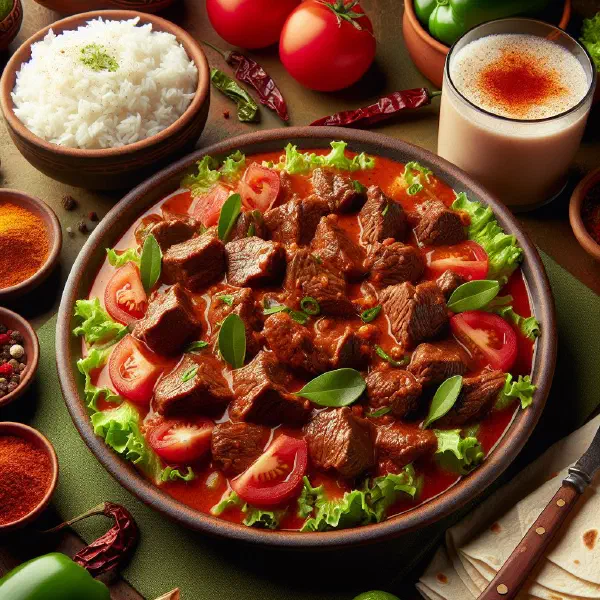
National Dish Costa Rica: Lengua en Salsa (Recipe)
In this article
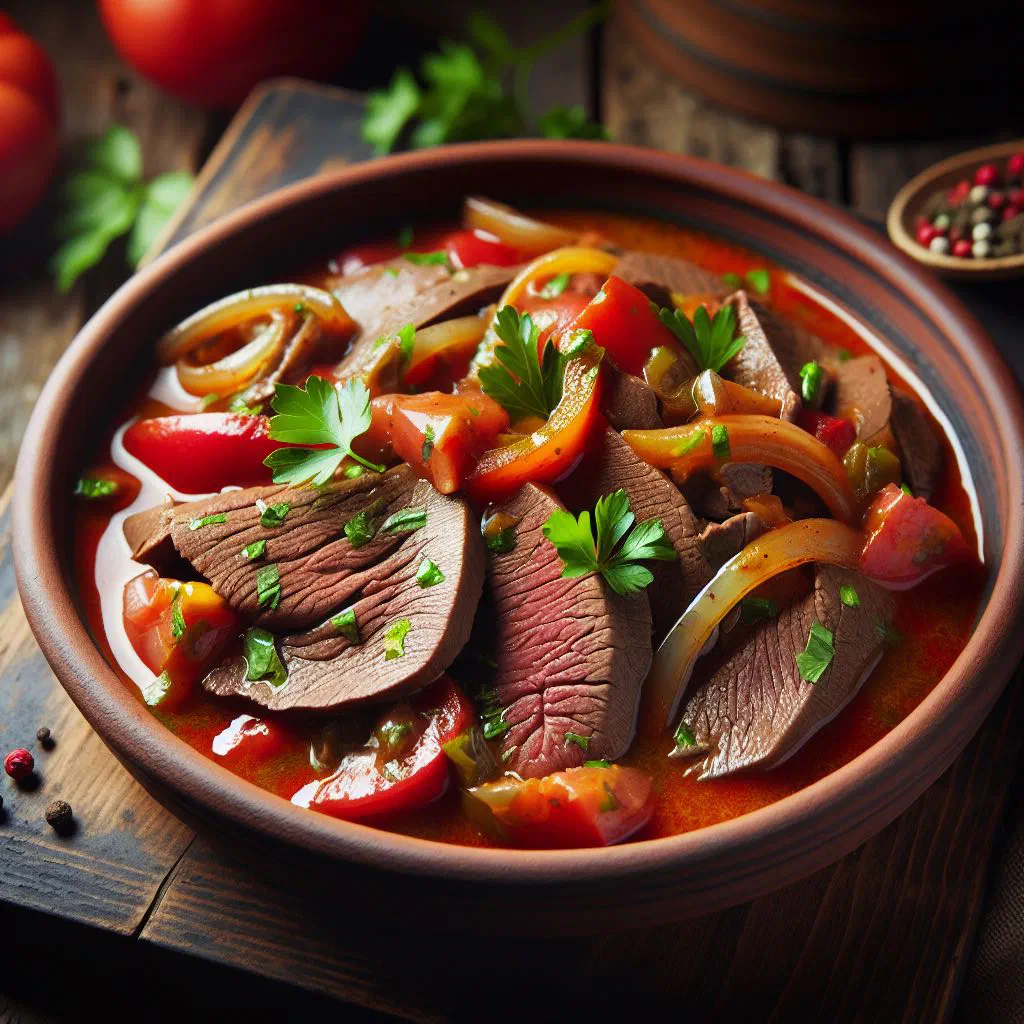
Discover the national dish of Costa Rica: Lengua en Salsa. Meltingly tender beef tongue is simmered low and slow, then cloaked in a savoury tomato sauce and served with rice and beans. It is a dish that rewards patience with deep, comforting flavour, a taste of Costa Rican home cooking that appeals to locals and visitors alike. Bring this heartfelt classic to your own table for a memorable meal.
About Lengua en Salsa
Lengua en Salsa is a captivating dish from Costa Rican cuisine that puts beef tongue centre stage. The preparation calls for patience, as the meat is cooked slowly to draw out its full tenderness and rich flavour. Pairing it with a well-seasoned tomato sauce gives the dish a special character that wins over locals and tourists alike. If you are looking for an authentic taste experience, Lengua en Salsa is the perfect choice.
Ingredients (serves 1–2)
- 1 beef tongue (approx. 500–700g)
- 1 onion, diced
- 2 cloves garlic, chopped
- 1 tin chopped tomatoes (400g)
- 2 tablespoons olive oil
- 1 teaspoon paprika
- Salt and pepper to taste
- Parsley, to garnish
Shopping for the ingredients
When shopping for Lengua en Salsa, it is important to choose good-quality ingredients. Visit your local butcher for fresh beef tongue, as fresh meat gives the very best flavour. Pick up chopped tomatoes, tinned or fresh, to achieve the ideal taste and the right consistency in the sauce. Don’t forget fresh onions and garlic too, as they form the aromatic backbone of the sauce.
Preparing the dish
Before you start cooking Lengua en Salsa, the beef tongue should be washed thoroughly. Remove any skin and unwanted parts. Cut the tongue into smaller pieces to shorten the cooking time and help it take on the seasonings more readily. Prepare all the other ingredients by peeling, dicing and setting them aside, so the cooking process runs smoothly from start to finish.
Step-by-step instructions
- Bring the beef tongue to the boil in a large pan of water and simmer for around 1–2 hours.
- Heat the olive oil in a frying pan and sauté the onions and garlic until golden brown.
- Add the tinned tomatoes and season with paprika, salt and pepper.
- Add the cooked beef tongue to the pan and mix everything together well.
- Let the dish simmer over low heat for 30 minutes so the tongue can soak up the flavours.
- Before serving, garnish with fresh parsley and enjoy alongside rice and beans.
Gluten-free / lactose-free version
Lengua en Salsa is easily made gluten-free and lactose-free. The ingredients used are naturally free from gluten and lactose, which makes this dish an excellent choice for anyone with those intolerances. Simply take care that all the spices and prepared ingredients contain no hidden gluten or lactose components. The dish is therefore well suited to a wide range of diets.
Tips for vegans and vegetarians
While Lengua en Salsa is a traditional meat dish, vegans and vegetarians can create a tasty version by using similar flavours in the preparation. Instead of beef tongue, try jackfruit or a plant-based meat alternative, which take on herbs and spices well and offer a comparable eating experience. Add extra vegetable stock to bring depth and complexity to your sauce.
More tips and tricks
To turn Lengua en Salsa into a masterpiece, experiment with different herbs and spices. Adjust the heat by adding chilli or other peppery ingredients if you like it spicier. A pinch of sugar can balance the acidity of the tomatoes and round off the flavour. You can also adjust the texture of the sauce by blending it, if you prefer a smoother, finer consistency.
Adapting the recipe to your taste
There are countless ways to adapt Lengua en Salsa to your personal preferences. If you love vegetables, for instance, you can add various kinds such as peppers or carrots, which can be sautéed alongside the onions. For a richer flavour, add a splash of red wine to the sauce. It lends the dish an extra dimension that is sure to impress your guests, much as it does in a hearty Carne en Salsa.
Ingredient substitutions
If you cannot find beef tongue, or simply want to try an alternative, there are plenty of options. Veal or pork can make excellent substitutes that also taste delicious in the sauce. Instead of tinned chopped tomatoes, you can use fresh, ripe tomatoes that have been blanched and peeled beforehand. You might also consider different oils, such as coconut oil, for a unique note of flavour, a trick that works nicely in Albóndigas en Salsa too.
Drink pairing ideas
A range of drinks pairs beautifully with Lengua en Salsa and complements the flavour of the dish. A well-chilled Latin American beer is a refreshing companion that suits the savoury aroma perfectly. A fruity red wine, such as a Malbec, can also enrich the flavours of the dish. For a non-alcoholic option, fresh juices such as passion fruit or pineapple create a lovely balance against the tangy sauce.
Serving and presentation ideas
The presentation of Lengua en Salsa can lift the whole experience considerably. Serve the dish on an attractive plate, garnished with fresh parsley or coriander to highlight colour and freshness. Be sure to spoon the sauce generously over the meat, so the ingredients really shine. Serve it with a side of rice and beans on a separate platter for an appealing spread, in the same spirit as a classic Casado.
A bit of history
Lengua en Salsa has its roots in traditional Costa Rican cuisine and reflects the local love of hearty, flavourful dishes. Tongue has historically been a nourishing and tasty cut of meat, often used in home cooking. The dish brings together various influences that have shaped the history and culture of Costa Rica. Its popularity in the country is a sign of the appreciation for regional ingredients and traditional cooking methods.
More recipe ideas
Summary: Lengua en Salsa
All in all, Lengua en Salsa is a delicious and culturally significant dish from Costa Rica that appeals to with its tender beef tongue and savoury sauce. It brings together tradition and modern cooking in a unique taste experience, and offers plenty of scope for adaptation. Whether for a festive dinner or a simple family meal, this dish brings the flavours of Costa Rica straight to your table and delivers pleasure with every bite.