National Dish Costa Rica: Pastel de Ayote (Recipe)

In this article
Discover Pastel de Ayote, a treasured Costa Rican bake that turns humble squash into something quietly magical. Made with ayote, a sweet, sugary pumpkin, this moist, gently spiced cake balances the natural sweetness of the squash against the warmth of cinnamon. It is the perfect companion to a cup of freshly brewed coffee or tea, and its fluffy crumb and inviting aroma bring a little corner of Costa Rica straight to your own kitchen.
About Pastel de Ayote
Pastel de Ayote is a traditional Costa Rican dish, prized for its distinctive flavour and its wonderfully moist texture. Made from ayote, a sugary variety of squash, it pairs the vegetable’s natural sweetness with the warmth of aromatic spices. More than just a delicious dessert, it is a much-loved partner to coffee and tea. With its fluffy crumb and appealing aroma, Pastel de Ayote will pleasure your guests and give you the feeling of experiencing a taste of Costa Rica at home.
Ingredients (serves 1–2)
- 250 g ayote (sugar squash or pumpkin), peeled and diced
- 150 g sugar
- 100 g flour
- 2 eggs
- 1 tsp baking powder
- 1 tsp cinnamon
- 1 pinch of salt
- 50 ml vegetable oil
Shopping for the ingredients
To make a delicious Pastel de Ayote, it is worth gathering fresh ingredients from a local market or supermarket. Take care to choose good-quality ayote, as it is the heart of this dish. Sugar comes in several forms too, and using brown sugar can lend the cake extra depth and flavour. Make sure your spices are fresh as well, so you can enjoy their full aroma in the finished bake. A little care at the shopping stage pays off in the final result.
Preparing the dish
Preparing Pastel de Ayote is straightforward and takes only a few steps. Begin by peeling the ayote and cutting it into small cubes so that it cooks through evenly. At this point you can also preheat the oven to 180°C, so it is at the right temperature by the time you are ready to bake. Grease a cake tin well so the cake comes out cleanly once it is done.
Step-by-step instructions
- Bring the ayote to the boil in a pan of water and simmer for around 20 minutes until soft.
- Drain the cooked ayote cubes and mash them to a purée in a bowl.
- Add the sugar, eggs and vegetable oil to the ayote purée and mix well.
- In a separate bowl, combine the flour, baking powder, cinnamon and salt.
- Gradually stir the dry ingredients into the ayote mixture to form a smooth batter.
- Pour the batter into the prepared tin and smooth the top.
- Bake in the preheated oven for around 30–40 minutes, until golden brown.
- Remove from the oven and leave to cool before serving.
Gluten-free / lactose-free version
For a gluten-free or lactose-free version of Pastel de Ayote, simply swap the ordinary flour for a gluten-free flour blend. There are plenty of good options on the market these days that work beautifully and keep the cake nice and fluffy. You can also use plant-based milk in place of regular milk if your diet calls for it. Choose simple ingredients that meet your dietary needs without taking anything away from the cake’s flavour.
Tips for vegans and vegetarians
For a vegan version of Pastel de Ayote, the eggs can be replaced with a plant-based egg substitute. Options such as chia seeds or ground flaxseed work brilliantly and add a wholesome touch at the same time. Keep in mind that you may need to adjust the amount of sugar if you use alternative sweeteners. This way you can conjure up a delicious cake while still meeting the requirements of a vegan diet.
More tips and tricks
An important tip for making Pastel de Ayote is to take care not to overmix the batter. Overworking it can make the cake dense and dry. Try adding different spices such as nutmeg or vanilla to vary the flavour. It also helps to dust the cake with icing sugar once it has cooled, or to serve it with a fresh fruit sauce for the finishing touch. These small details make a real difference to the final bake.
Adapting the recipe to your taste
This recipe for Pastel de Ayote is highly adaptable. For a more intense sweetness you can add extra sugar, or fold a pinch of coconut or almonds into the batter. If you fancy a nuttier texture, stir in some chopped nuts or try roasting the ayote first. A personal touch helps the cake reflect your own preferences while keeping things interesting. Much like a slice of Queque Seco, it rewards a little experimentation.
Ingredient substitutions
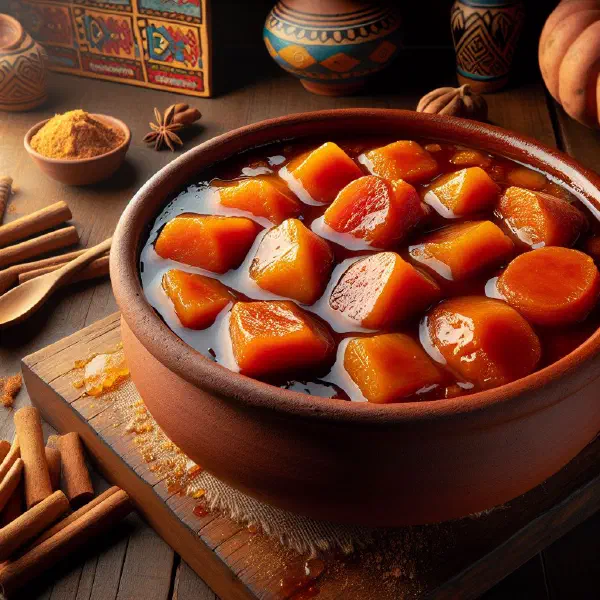
If you do not have some of the ingredients for Pastel de Ayote to hand, there are plenty of alternatives. For example, you can use honey or maple syrup instead of sugar to achieve a different flavour. The squash itself can be swapped for other pumpkin varieties, as long as they have a similar texture, the same sweet squash that shines in Miel de Ayote.
Drink pairing ideas
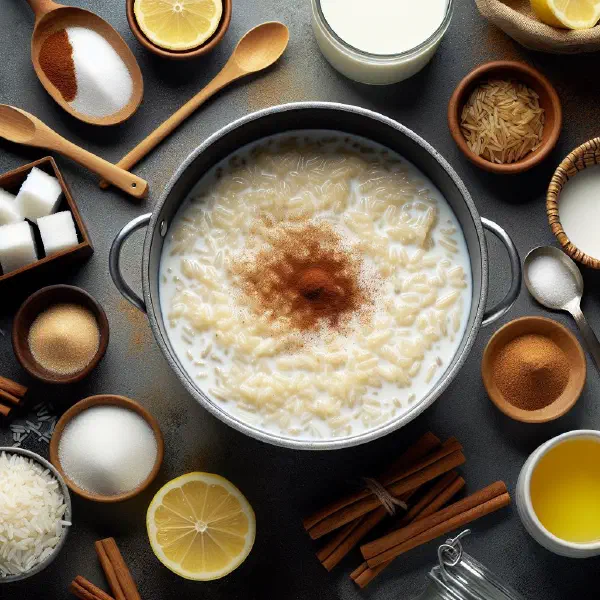
Pastel de Ayote goes wonderfully with a range of drinks, especially a cup of freshly brewed coffee. You could also try a sweet tea or a fruity smoothie to complement the cake’s flavour. A herbal lemonade works particularly well, its tartness balancing the sweetness of the cake, while a glass of creamy Horchata Tica makes for a comforting match. These pairings turn any coffee break into a special occasion.
Serving and presentation ideas
Presentation can be decisive for that all-important first impression of Pastel de Ayote. Serving it simply and elegantly on a pretty plate, perhaps garnished with fresh fruit or mint leaves, greatly enhances how guests perceive the dish. Equally, presenting it on a rustic wooden board gives the dessert a warm, welcoming look. A dusting of icing sugar adds a festive touch and appeals to all the senses.
A bit of history
Pastel de Ayote has its roots in Costa Rican culture and is often associated with traditional celebrations. Squash has been a staple in the region for centuries and features in many dishes throughout Costa Rican cuisine. The use of locally available ingredients gave rise to this delicious cake, which is prepared in many households to this day. This tradition shows just how important it is to preserve cultural identity through food.
More recipe ideas
Summary: Pastel de Ayote
Pastel de Ayote is more than just a cake; it is a taste experience that reflects the tradition and culture of Costa Rica. With simple ingredients that are perfectly matched, this dish offers a wonderful chance to get to know Costa Rican cooking a little better. Whether as a dessert for special occasions or simply alongside a coffee, this cake is sure to be a hit with your guests. Give it a try and treat yourself to a tour to Costa Rica.