National Dish Croatia: Biskupska Pogača (Recipe)
In this article
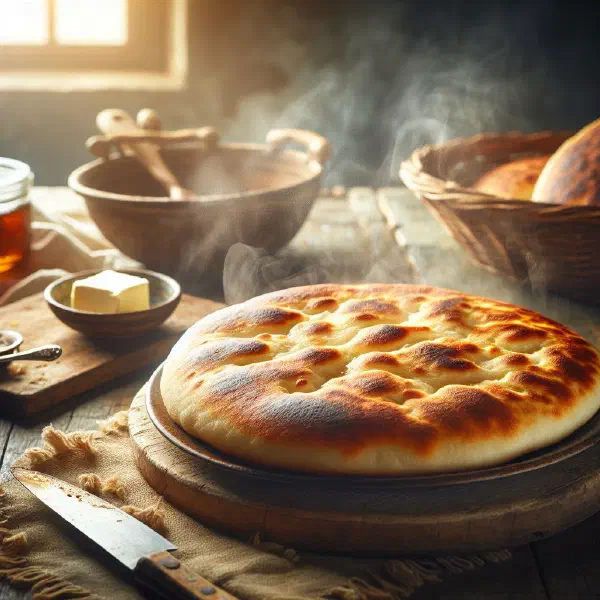
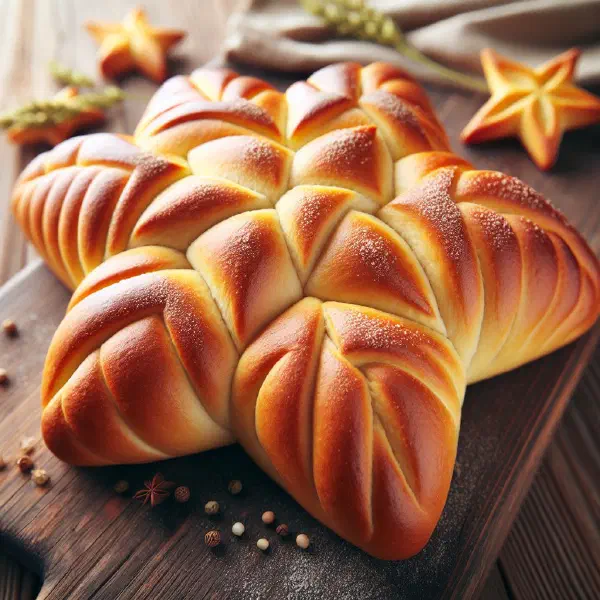
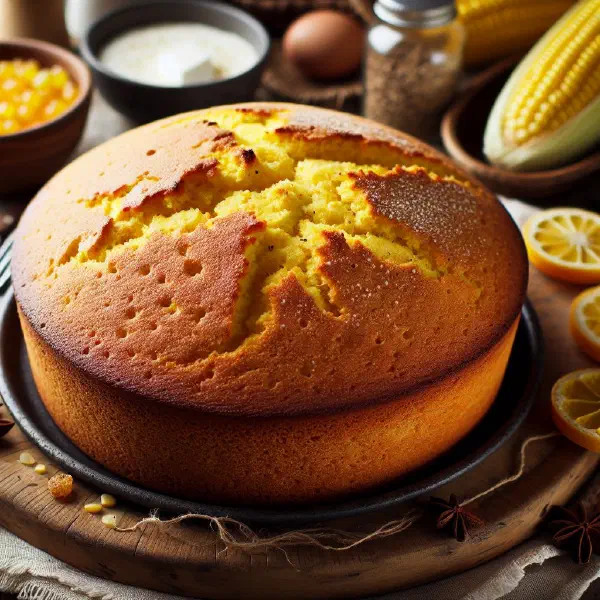
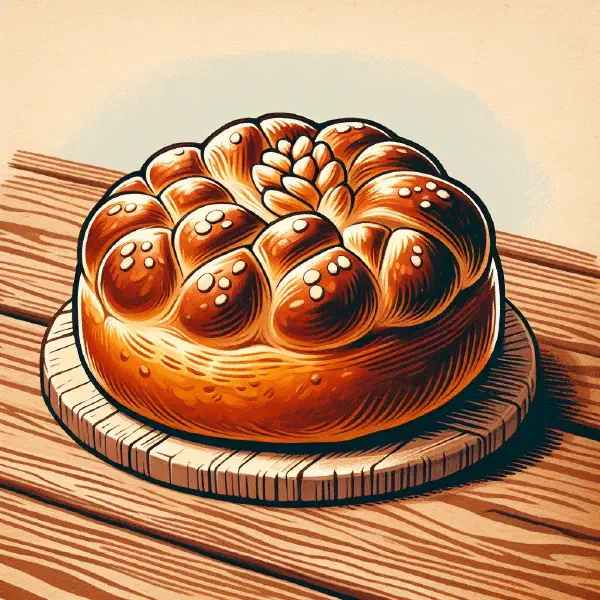
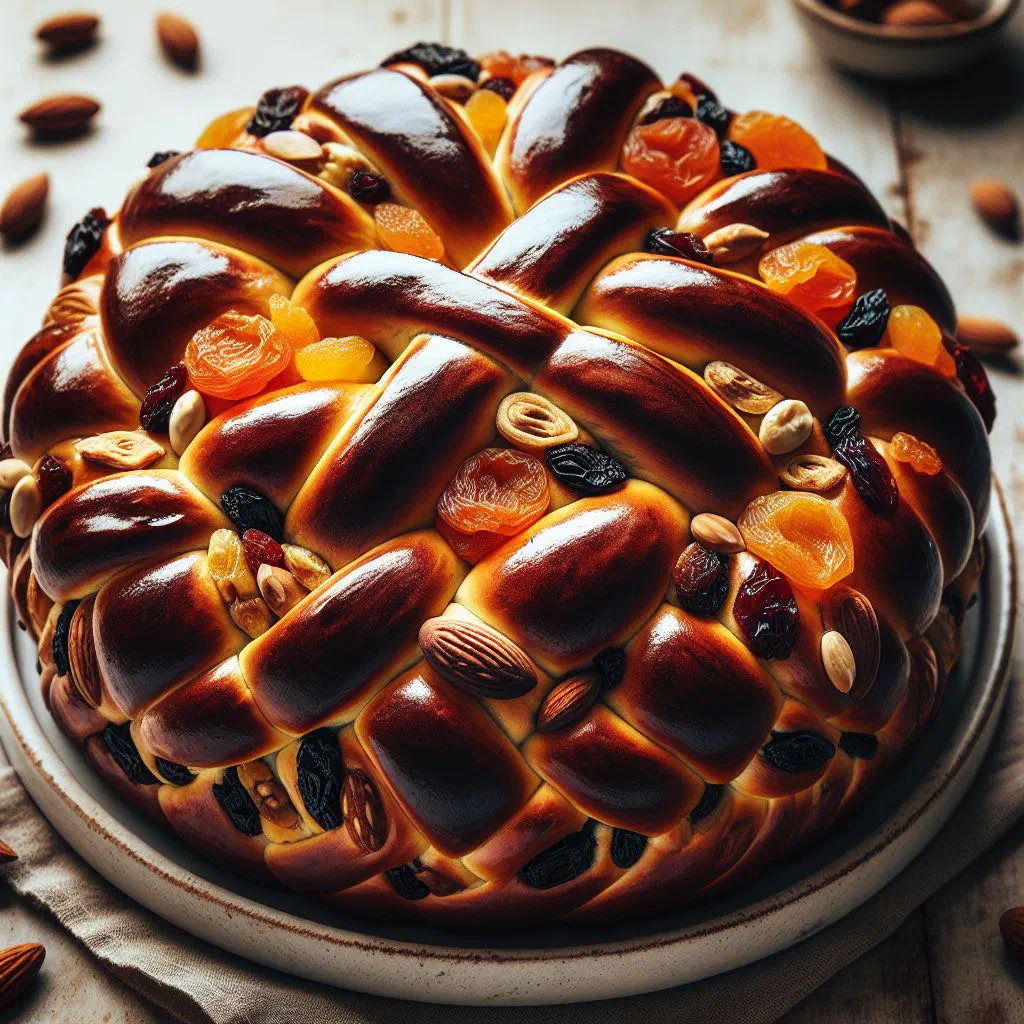
Discover Biskupska Pogača, a treasured savoury bread from the Croatian table. With its golden, crackling crust and a soft, tender crumb, this festive loaf has long graced celebrations and family gatherings alike. Enriched with feta, olive oil and a scattering of glossy black olives, it is as much a feast for the eyes as for the palate. Bring a taste of Croatia’s warm hospitality straight to your own kitchen.
About Biskupska Pogača
Biskupska Pogača is a traditional Croatian dish, prized for its rich flavour and tender texture. This baked bread is often served on festive occasions and takes its name from the bishops who are said to have enjoyed it in days gone by. The secret of the loaf lies in the combination of quality ingredients and careful preparation. It is a treat for the palate and a cherished part of Croatian culture, much like the rustic pogača breads found across the country’s Croatian cuisine.
Ingredients (serves 1–2)
- 500 g plain wheat flour
- 250 ml water
- 7 g dried yeast
- 2 teaspoons sugar
- 1 teaspoon salt
- 50 ml olive oil
- 150 g feta cheese
- 2 eggs
- Black olives, to decorate
Shopping for the ingredients
For biskupska pogača, it pays to choose fresh, good-quality produce. The wheat flour should be as finely milled as possible to ensure an even dough consistency. The feta cheese can vary from region to region, which lends the dish its own particular character. The olives used for decoration should likewise be of good quality, as they round off the flavour of the finished bread.
Preparing the dish
Preparing biskupska pogača begins with activating the yeast. To do this, the yeast is first mixed with sugared water and left to rest for around ten minutes. Meanwhile, the other ingredients can be measured out and made ready. It is important to weigh and prepare everything carefully, so that the bake comes together smoothly from start to finish.
Step-by-step instructions
- Dissolve the yeast in lukewarm water with the sugar and leave to stand for 10 minutes.
- Combine the flour and salt in a large bowl.
- Add the yeast mixture and the olive oil to the flour and knead everything into a smooth dough.
- Cover the dough and leave it to prove in a warm place for 1 hour.
- Crumble the feta cheese and mix it with the eggs.
- Roll out the proved dough and spread it with the filling.
- Fold the dough over, place it on a baking tray and decorate with olives.
- Bake at 180°C for 30 minutes.
Gluten-free / lactose-free version
To make biskupska pogača gluten-free, a gluten-free flour can be used in place of the wheat flour. Blends based on rice or almond flour work especially well. For the lactose-free version, use lactose-free feta or a plant-based alternative. That way everyone can enjoy a slice of Croatian tradition, whatever their dietary needs.
Tips for vegans and vegetarians
Biskupska pogača is easy to adapt for vegans. Instead of eggs, a mixture of water and ground flaxseed, or some apple purée, can be used to bind the dough. For the filling, a plant-based cheese or a blend of puréed pulses works nicely, adding both flavour and nutrients. The bread stays full of flavour and suits anyone who avoids animal products.
More tips and tricks
For the best result, give the dough plenty of time to prove. A calm setting and a warm kitchen both help this process along. Once baked, the biskupska pogača can be brushed with a mixture of olive oil and herbs for extra flavour. Feel free to experiment with different fillings, too, to create your own personal favourite version.
Adapting the recipe to your taste
The wonderful thing about biskupska pogača is its versatility. Depending on personal taste, the filling can be varied, so that other cheeses or even vegetables join the feta. For those who like a bit of heat, chilli flakes or pepper can be added to give the bread an extra kick. In this way, everyone can create their own take on this traditional bake, in the same spirit as a homely Selska Pogača.
Ingredient substitutions
If some ingredients are not to hand, there are very good alternatives. In place of feta cheese, for example, ricotta or another fresh cheese works well. The water can also be swapped for vegetable stock to bring even more flavour into the dough. With a little creativity, delicious variations of the loaf emerge, much like the potato-rich twist of Pogača od Krumpira.
Drink pairing ideas
Many different drinks go beautifully with a slice of biskupska pogača. A fresh, dry Croatian white wine harmonises perfectly with the flavours of the bread. Alternatively, a lively rosé makes a wonderful match. For alcohol-free options, homemade lemonade or a herbal tea blend round off the flavours just as nicely.
Serving and presentation ideas
Presentation can lift the whole biskupska pogača experience. Serve the bread on a rustic wooden board and garnish it with fresh herbs or olives for an appetising look. A thoughtful table setting with Croatian touches can create a special atmosphere too. Don’t forget to present the drinks attractively as well, perhaps in elegant glasses or with a tasteful flourish.
A bit of history
Biskupska pogača has its origins in Croatian history and is a symbol of the country’s culinary tradition. In earlier times it was served above all at festive occasions and church celebrations. The preparation has evolved over the years, with the basic recipes passed down across generations. This bread embodies Croatian culture and the warmth with which the people of Croatia keep their traditions alive, a spirit shared by the celebrated Peka cooked beneath the bell.
More recipe ideas
Summary: Biskupska Pogača
Biskupska pogača is far more than just a bread; it is a piece of Croatian tradition and culture. Thanks to its choice ingredients and the freedom to adapt it, this loaf suits beginners and seasoned bakers alike. Whether for festive occasions or simply for personal pleasure, biskupska pogača is always a highlight. Give our recipe a try and let the flavours of Croatia win you over.