National Dish Croatia: Kiseli Kupus (Recipe)

In this article
Say hello to Kiseli Kupus, the tangy fermented sauerkraut that sits at the heart of Croatian winter cooking. Born in the rustic kitchens of the Balkans, this hearty, sharp-tasting cabbage is simple to make, wonderfully good for you, and endlessly useful, equally at home as a side to roast meats or as the base for a whole range of warming dishes. With nothing more than cabbage, salt and a little patience, you can bring a genuine taste of Croatia to your own table.
About Kiseli Kupus
Kiseli Kupus is a traditional Croatian national dish with deep roots in the rural cooking of the Balkans. This hearty, sharp-tasting sauerkraut is most often prepared during the winter months and is prized for its rich flavour and its nutrient-rich qualities. It is commonly served as a side to meat dishes and also forms the foundation of countless other recipes. Making Kiseli Kupus is straightforward and a wonderful way to get to know Croatian cuisine from the ground up.
Ingredients (serves 1–2)
- 1 head of green cabbage (about 1 kg)
- 1 tablespoon salt
- 1 teaspoon caraway seeds (optional)
- Water (as needed)
- 1 preserving jar or fermentation vessel
Shopping for the ingredients
When shopping for the ingredients for Kiseli Kupus, it is worth paying attention to the quality of the cabbage. Fresh, firm cabbage brings the best flavour to your dish. As a rule, you will find everything you need in a well-stocked supermarket or at the vegetable stalls of a weekly market. Don’t forget to pick up the spices too, so you can adjust the dish exactly to your taste.
Preparing the dish
To make Kiseli Kupus, careful preparation of the ingredients is essential. First, wash the cabbage thoroughly to remove any dirt or impurities. Then cut it into fine strips, or leave it whole, according to personal preference. The salt and spices, such as caraway, help to pickle the cabbage perfectly and give it its unmistakable flavour.
Step-by-step instructions
- Coarsely shred the cabbage into a large container and scatter over the salt.
- Knead the cabbage with your hands until it softens and releases its juices.
- Mix in the caraway seeds to taste.
- Layer the cabbage into a preserving jar and press down well to avoid air pockets.
- Top up the jar with water so the cabbage is completely submerged.
- Leave the cabbage to ferment in a cool place for at least 2–3 weeks.
Gluten-free / lactose-free version
Kiseli Kupus is naturally gluten-free and lactose-free. By using simple, unprocessed ingredients such as cabbage and salt, this dish is well suited to anyone with intolerances or special dietary needs. Take care to choose only fresh ingredients to gain the greatest health benefits. Enjoy all the goodness that fermented cabbage has to offer.
Tips for vegans and vegetarians
Kiseli Kupus is a delicious side to meat dishes and makes an excellent vegan or vegetarian main ingredient. For a more substantial meal, you can combine the fermentation process with further plant-based ingredients, such as carrots or other vegetables. Bringing together these different flavours creates a varied and interesting taste experience. Adaptations like these make the dish even healthier and suitable for every kind of diet.
More tips and tricks
To make the perfect Kiseli Kupus, there are a few tips and tricks worth keeping in mind. Choosing the right vessel is crucial for the fermentation. Make sure the container is large enough and made of glass or ceramic to allow proper fermentation. You should also check the cabbage regularly and top it up if too much water evaporates or if mould begins to form. Patience is a virtue, give the cabbage plenty of time to ferment.
Adapting the recipe to your taste
There are many ways to adapt the recipe for Kiseli Kupus to your personal preferences. For example, you can add extra spices such as pepper or a bay leaf to give the dish a new dimension. Adjust the amount of salt, too, for a saltier or milder flavour. Experiment with different vegetables to create your own variation that suits your taste perfectly.
Ingredient substitutions
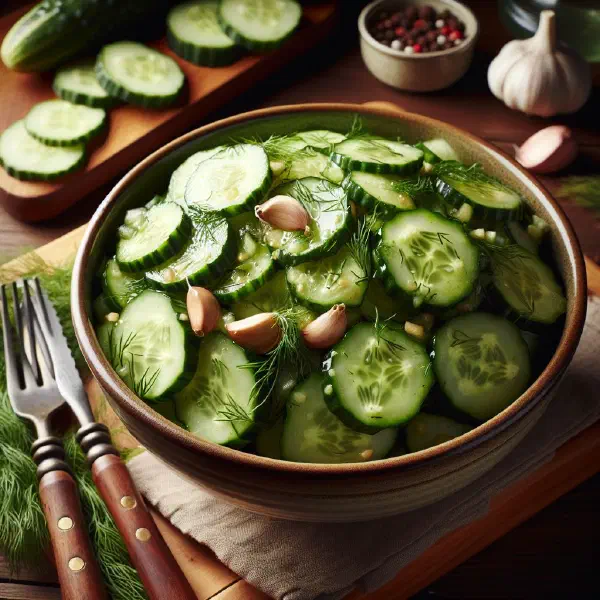
If you don’t have certain ingredients to hand, there are a few substitutions you can use in your Kiseli Kupus recipe. Instead of caraway, you could try coriander or fennel seeds to bring the aroma more to the fore. Rather than fresh green cabbage, you can also use white cabbage if it is easier to find locally. Be creative and adapt the ingredients to whatever you have available, the same flexible spirit that shines in a fresh Kisela Kupus Salata.
Drink pairing ideas
Kiseli Kupus pairs beautifully with a range of drinks that complement its salty, sour notes. A good glass of red wine, such as a Croatian Plavac Mali, rounds off the meal nicely. Alternatives like beer or a crisp cider are also ideal for underlining the flavour of the dish. Try out different combinations and find the perfect partner for this traditional dish.
Serving and presentation ideas
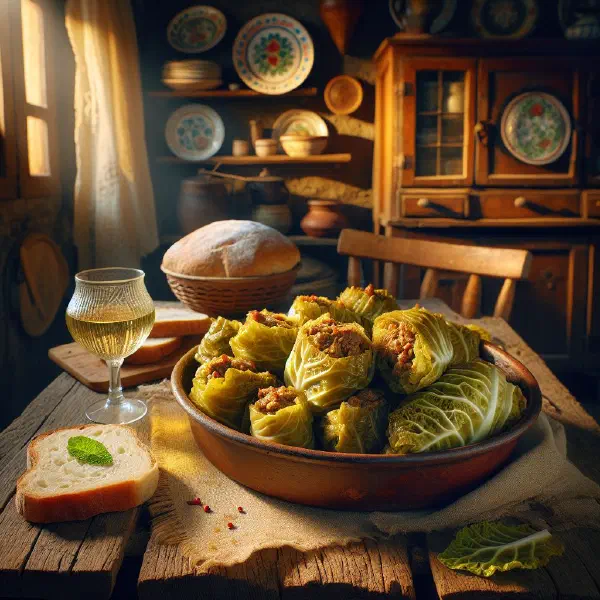
For an attractive presentation of Kiseli Kupus, it is best to serve the dish in a handsome bowl. Add a decorative touch with fresh herbs such as parsley or dill. You can also pair the dish with some roasted meat or sausages and fresh bread to create a balanced and appetising meal. Try it alongside Suho Meso S Kiselim Kupusom or hearty Sarma. A tasteful presentation will pleasure your guests and make the whole experience all the more special.
A bit of history
Kiseli Kupus has a long history and is an important part of Croatian cuisine. Fermenting cabbage has proven its worth across many cultures, as it preserves the vegetable while deepening its flavour at the same time. Originally it was eaten primarily during the winter months, when fresh vegetables were scarce. Today Kiseli Kupus enjoys great popularity and is often served at festivals and gatherings, underlining its cultural significance within Croatian cuisine.
More recipe ideas
Summary: Kiseli Kupus
In summary, Kiseli Kupus is a hearty and nourishing dish that brings the flavours of the Balkans into the home kitchen. With simple ingredients and the right preparation, you can create a delicious dish that is tasty and good for you. Whether as a side or a main, Kiseli Kupus is a versatile recipe that appeals to with its many adaptations and variations, and offers a genuine taste of traditional Croatian cooking.