National Dish Croatia: Krafne (Recipe)
In this article
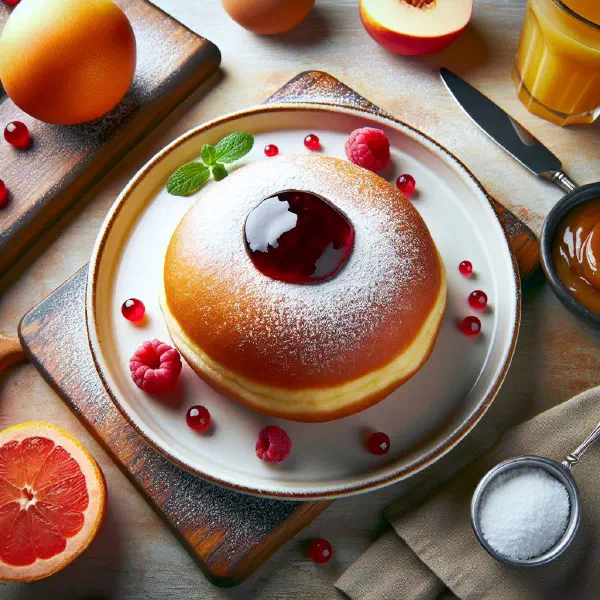
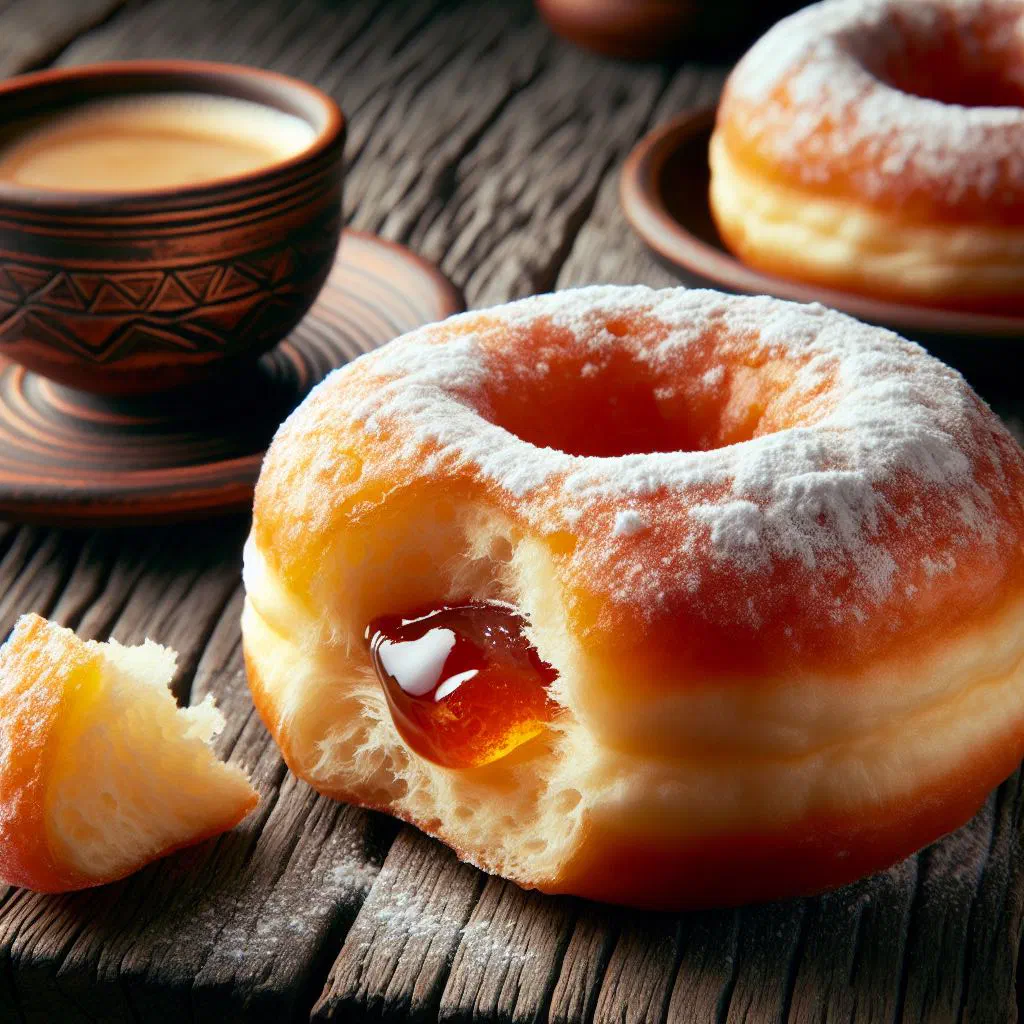
Meet Krafne, Croatia’s beloved pillowy filled doughnuts that turn any coffee table into a celebration. Light, golden and dusted with snowy icing sugar, they hide a generous heart of jam, chocolate or vanilla custard inside their soft crumb. Wonderfully simple to make with everyday storecupboard staples, they bring together old-world tradition and very good sweetness in every bite. Whether for a festive gathering, a lazy afternoon or simply a sweet treat, krafne are always a welcome indulgence.
About Krafne
Krafne are a traditional sweet speciality from Croatia, cherished not only across the Balkans but increasingly admired far beyond the region. These delicious doughnuts are usually filled with jam, chocolate or vanilla custard and finished with a dusting of icing sugar, making them a reliable temptation for anyone with a sweet tooth. The preparation is relatively straightforward and calls for only basic ingredients that many of us already keep at home. Whether for festive occasions, cosy afternoons or simply as a sweet snack, krafne are always a welcome treat.
Ingredients (serves 1–2)
- 250 g plain flour
- 30 g sugar
- 1 sachet dried yeast
- 1 egg
- 100 ml milk
- 50 g butter
- A pinch of salt
- Oil for deep-frying
- Filling of your choice (e.g. jam, chocolate spread)
Shopping for the ingredients
The ingredients for krafne are easy to find and can be sourced in any well-stocked supermarket or at the baker’s. Be sure to choose fresh dried yeast along with good-quality milk and butter, as these have a real impact on the flavour of the finished doughnuts. If you fancy special fillings, you can also seek out regional products or particularly aromatic jams. Picking up the ingredients can be seen as the first step towards a wonderful baking experience, much like the start of any good Croatian cuisine project.
Preparing the dish
Before you begin baking, gather all your ingredients on the work surface. It is important to sift the flour to achieve a light, airy dough. You should also take the butter out of the fridge in good time so it softens and becomes easier to work with. Good preparation keeps the whole process running smoothly and improves your chances of a perfect result.
Step-by-step instructions
- In a bowl, combine the flour, sugar, dried yeast and salt.
- In a separate bowl, whisk together the egg, milk and melted butter.
- Add the wet ingredients to the dry and knead everything into a smooth dough.
- Cover the dough and leave it to prove in a warm place for about 1 hour, until risen.
- Roll the dough out on a floured surface to about 1 cm thick and cut out rounds.
- Deep-fry the krafne in hot oil until golden brown.
- Once fried, let the krafne cool, then fill them as you like.
- Dust with icing sugar before serving.
Gluten-free / lactose-free version
For a gluten-free version of krafne you can use a gluten-free flour blend, widely available in shops. These flour alternatives are often well formulated and help maintain the texture of the dough. Special lactose-free products such as milk and butter can likewise be used to adapt the dish to particular dietary needs. This makes it possible to bring these delicious doughnuts within reach of people with intolerances, just as the gentle plum dumplings in Knedle Sa Sljivama can be adjusted.
Tips for vegans and vegetarians
To prepare a vegan version of krafne, swap the egg and milk for plant-based alternatives such as almond drink or soya yoghurt. These options offer a similar taste and a comparable texture to what the baking requires. Some recipes also use apple sauce as an egg replacement to keep the krafne lovely and moist. With these adjustments, vegans too can enjoy this traditional treat.
More tips and tricks
For the very best krafne, take care not to overwork the dough, as this can lead to a dense crumb. Another helpful tip is to bring the oil up to the right temperature before adding the doughnuts, ideally 175–180 °C. After frying, let the krafne drain briefly to remove any excess oil. These small touches make a real difference to a successful result.
Adapting the recipe to your taste
The krafne recipe lends itself beautifully to personal preference. You can try out different fillings, from exotic fruit blends to classic chocolate. The sweetness of the krafne can also be adjusted to taste by varying the amount of sugar. Experiment with different flavours, such as a touch of lemon zest, to give your krafne an individual character, the same spirit of playfulness that shapes festive bakes like Krostule.
Ingredient substitutions
If you do not have dried yeast to hand, you can also use fresh yeast, roughly three times the quantity of the dried kind. For the filling, ideas such as Nutella or caramel make a fine alternative to jam or chocolate. Anyone who likes to experiment might try adding different spices such as cinnamon or vanilla for extra flavour. This flexibility in the ingredients can turn krafne into a truly personal pleasure, in much the same way as the layered Madarica.
Drink pairing ideas
A range of drinks pairs wonderfully with krafne, depending on the occasion and your own taste. A classic coffee or a cup of tea harmonises beautifully with the sweetness of the doughnuts. A glass of milk or a mug of hot chocolate also makes a delicious combination for breakfast or a snack. For special occasions, a sweet fruit cocktail can add a refreshing note to the spread.
Serving and presentation ideas
To present krafne attractively, arrange them on a large platter and finish with a generous dusting of icing sugar. One idea is to display the krafne with a colourful mix of different fillings to keep things varied. Small accompaniments such as fresh fruit or a dip can be added too, brightening up the presentation. We eat with our eyes first, and a creative arrangement ensures the krafne are a feast to look at as well, a tradition shared with the rich slices of Kremsnite.
A bit of history
Krafne have their origins in Croatian and the broader Central European baking tradition, where they are often prepared for festive occasions. Originally part of the carnival repertoire, they were traditionally eaten during the run-up to Lent to use up the last stores of rich, fatty foods. Over time they have developed into a wide range of variations and fillings adapted to regional tastes. So krafne are a flavour experience and a piece of cultural tradition.
More recipe ideas
Summary: Krafne
Krafne are a versatile and delicious sweet treat that plays an important role in Croatian cooking. Whether for breakfast, as a snack or for special occasions, these doughnuts always go down well. Thanks to their simple preparation and the scope for variation, they are ideal for any home baker.