National Dish Croatia: Kruh ispod peke (Recipe)
In this article
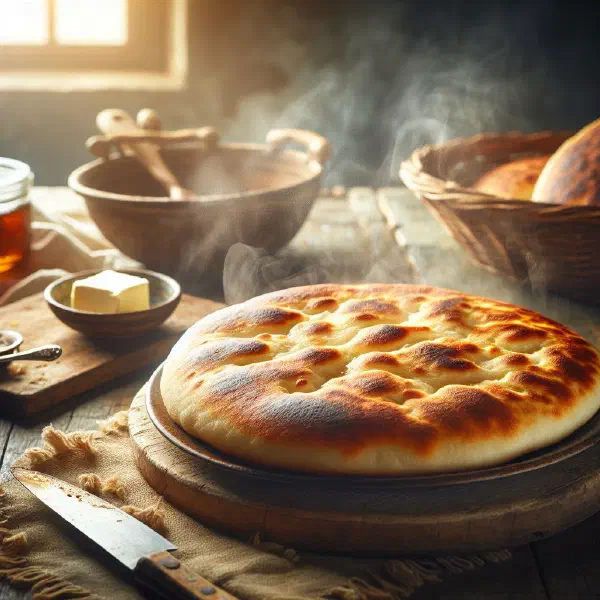
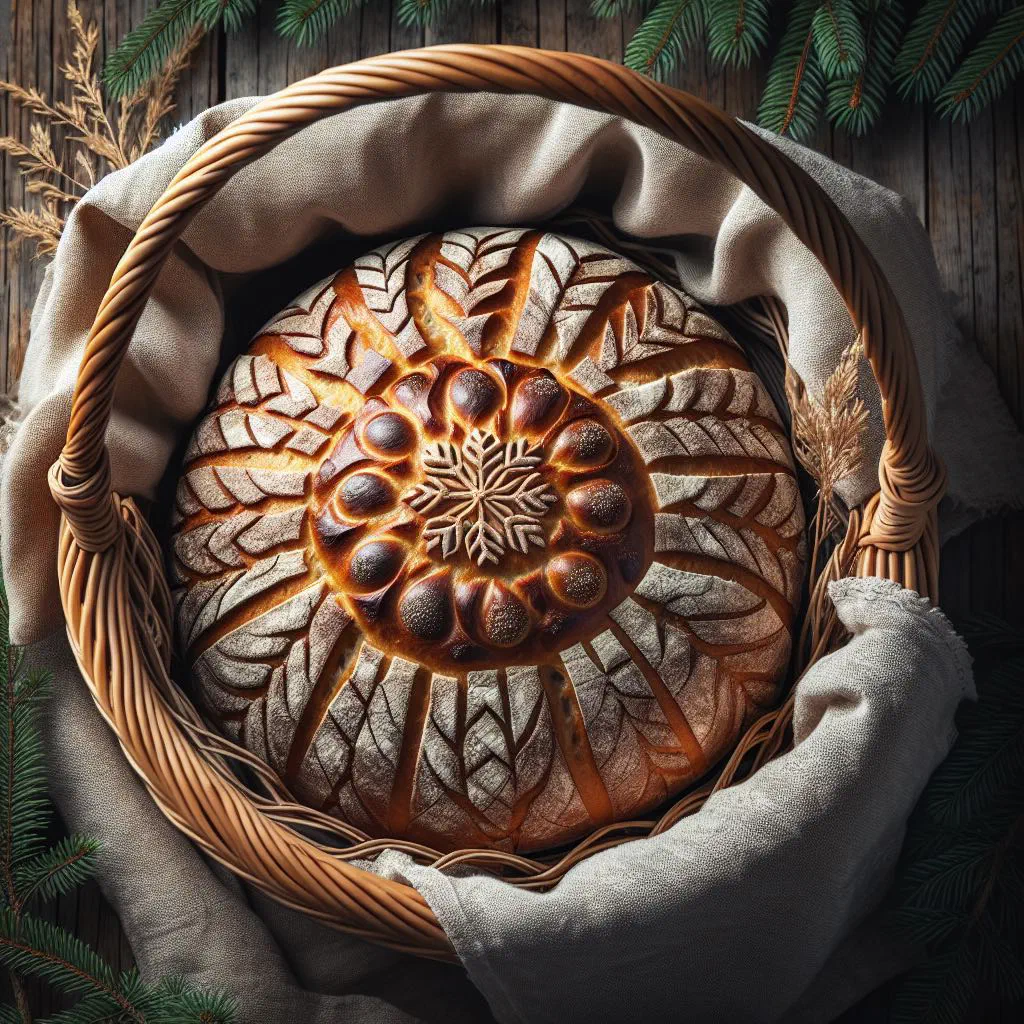
Kruh ispod peke is bread baked the Dalmatian way: under a heavy iron bell, buried in glowing embers. The dough could hardly be simpler — flour, yeast, water, salt — but the method gives it a thick, crackling crust, a soft open crumb and a faint smokiness no domestic oven can quite reproduce. It is the loaf that traditionally shares the fire with a peka of lamb or octopus.
About Kruh ispod peke
The Croatian Kruh ispod peke is a genuine piece of craft. This traditional bread is baked beneath a special lid known as a peka. A dough of flour, yeast and water goes into a cast-iron pan, the bell is set over it and the whole thing is buried in glowing ash, producing a crisp crust and a wonderfully light interior. In Croatia the bread is often baked for festive occasions or family gatherings alongside meat and vegetable dishes, which makes it something of a symbol of Croatian hospitality.
Ingredients (serves 1–2)
- 300 g plain wheat flour
- ½ cube fresh yeast (or 3.5 g dried yeast)
- ½ teaspoon sugar
- 1 teaspoon salt
- 180 ml lukewarm water
- 1 tablespoon olive oil
Shopping for the ingredients
Kruh ispod peke needs nothing more than basic pantry staples from any supermarket. Choose a good plain wheat flour for a proper crumb. Fresh yeast gives the most reliable rise, though dried yeast works perfectly well. A decent olive oil rounds out the flavour of the crust. This is Dalmatia, after all, where the oil matters.
Preparing the dish
Crumble the yeast into the lukewarm water with the sugar and leave it for ten minutes until foamy. Weigh the flour into a large bowl with the salt. If you are baking over a fire, get it going early: you need a bed of glowing embers, not flames, and the peka bell should be heating alongside. In a domestic kitchen, a heavy cast-iron casserole with a lid stands in well.
Step-by-step instructions
- Dissolve the yeast and sugar in the lukewarm water; leave 10 minutes until foaming.
- Add the flour, salt and olive oil, and knead for 8–10 minutes to a smooth, elastic dough.
- Cover and leave to rise until doubled, about 1 hour.
- Knock back gently and shape into a round loaf.
- Place in a well-oiled cast-iron pan, cover and let it rise a second time, 30 minutes.
- Bake under the peka bell in embers for 40–50 minutes — or in a covered casserole at 230 °C for 30 minutes, then uncovered at 200 °C for a further 15.
- Turn out and cool on a rack so the crust stays crisp.
Gluten-free / lactose-free version
The bread is naturally lactose-free. A gluten-free version calls for a bread-specific gluten-free flour blend plus a teaspoon of psyllium husk to provide structure; the dough will be wetter and is best shaped with damp hands. Baking it covered, exactly as the peka does, actually suits gluten-free doughs particularly well, as the trapped steam improves the rise.
Tips for vegans and vegetarians
Kruh ispod peke is vegan as it stands: flour, water, yeast, salt and olive oil, with nothing else required. Serve it with olive oil and sea salt for dipping, or alongside a vegetable peka of potatoes, peppers and courgettes, a combination that is entirely traditional in coastal Croatia.
More tips and tricks
The secret is even, steady heat: embers above and below, never open flame. At home, preheat your casserole thoroughly before the dough goes in, and keep the lid on for the first two-thirds of the bake so the steam can work. Resist cutting the loaf while hot. It needs twenty minutes to finish setting inside.
Adapting the recipe to your taste
Dalmatian cooks sometimes work chopped rosemary, olives or crackling into the dough. A handful of cornmeal in the mix gives a rustic bite that suits the smoky flavour. Brushing the finished loaf with olive oil and garlic while still warm is a small addition that makes it disappear noticeably faster.
Ingredient substitutions
Strong bread flour gives a chewier crumb than plain flour, and a mixture of the two works nicely. Dried yeast substitutes directly for fresh at roughly a third of the weight. If you have no olive oil, sunflower oil does the job, though the crust loses some of its character.
Drink pairing ideas
Bread from the embers belongs beside a robust Dalmatian red, a Plavac Mali is the obvious local choice. A glass of dry white such as Pošip suits it just as well when the bread accompanies fish. For something alcohol-free, sparkling water with lemon, or a strong coffee at the end of the meal.
Serving and presentation ideas
Serve Kruh ispod peke whole on a wooden board and tear it by hand rather than slicing. That is how it is done. Good olive oil, coarse salt and a bowl of olives are all it needs beside it. If you have baked a peka of lamb or octopus, the bread’s real purpose is mopping up the juices.
A bit of history
The peka, an iron or clay bell set over the fire and covered with embers, is one of the oldest cooking methods on the Adriatic coast, used since antiquity and still central to family gatherings in Dalmatia and Istria. Bread and meat were baked together beneath it, because a single fire had to do all the work. That the technique survives at all is a matter of pride, and it offers a genuine window onto Croatian cuisine.
More recipe ideas
Summary: Kruh ispod peke
Kruh ispod peke is a rustic Croatian loaf baked under an iron bell in glowing embers, with a thick crackling crust and a soft, airy interior. The dough asks for four ingredients and a little patience; the method does the rest. Bake it over a fire if you can, in a covered casserole if you cannot, either way you get a genuinely memorable bread.