National Dish Croatia: Peka with Octopus (Recipe)
In this article
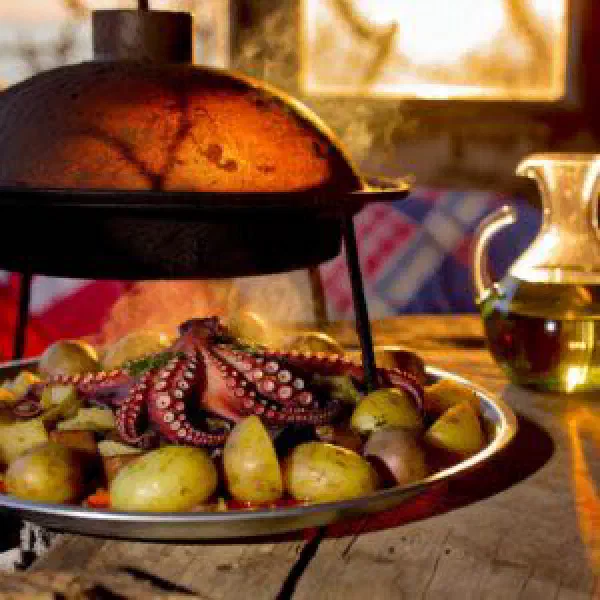
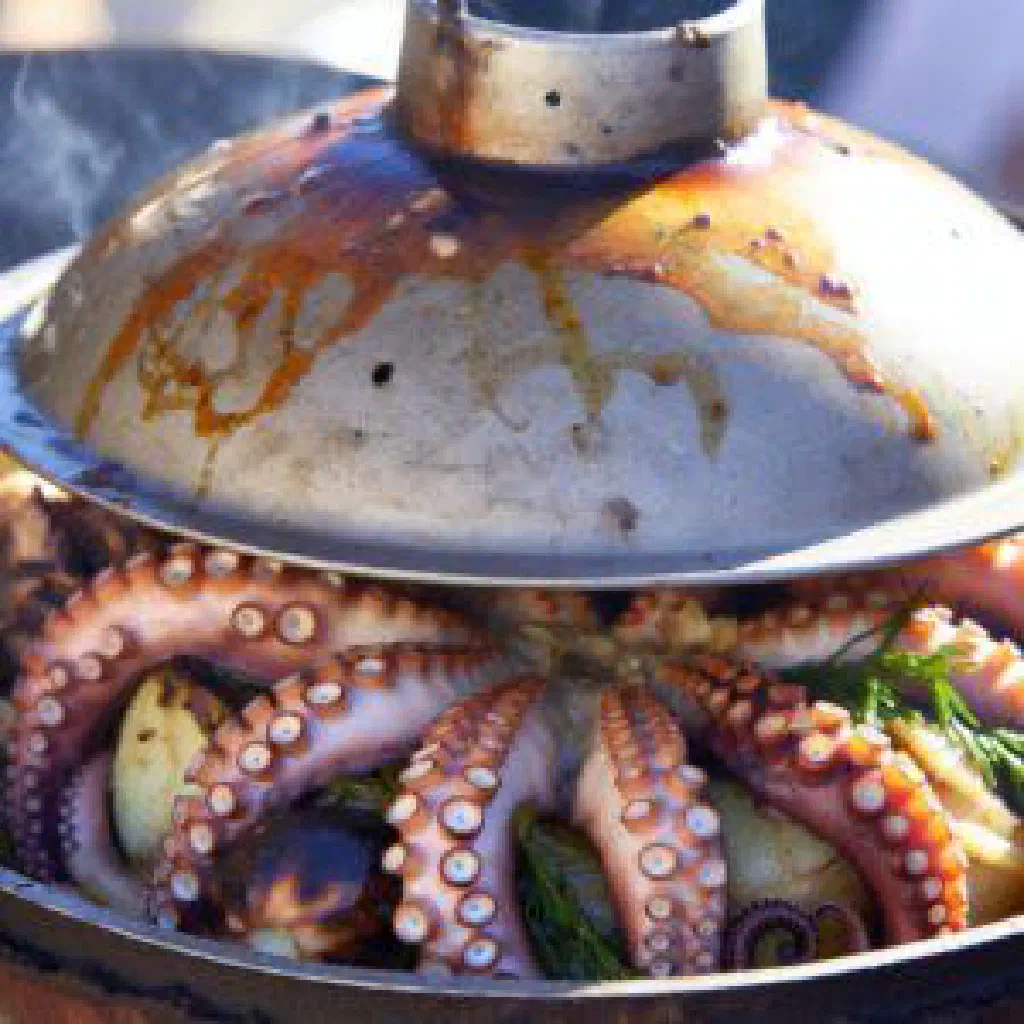
Meet Peka with Octopus, one of the great treasures of the Croatian coast. This rustic dish brings together tender octopus, potatoes and aromatic herbs, all slow-cooked beneath a heavy iron bell heaped with glowing embers. The gentle, even heat coaxes deep flavour from every ingredient and leaves the octopus meltingly soft. It is the kind of unhurried, soulful cooking that defines Dalmatian kitchens, a true feast for the senses straight from the Adriatic.
About Peka with Octopus
Peka is a traditional Croatian dish celebrated as much for its remarkable cooking method as for its wonderful flavour. Classically it brings together meat or seafood, vegetables and fragrant herbs, all cooked together in a special iron pot. The pot is sealed with a domed lid and buried under glowing coals, creating a steady, all-round heat. The version made with octopus is especially prized, as this slow method turns the seafood beautifully tender and deeply aromatic.
Ingredients (serves 1–2)
- 400 g tender octopus
- 2 large potatoes
- 1 onion
- 2 cloves of garlic
- 1–2 carrots
- Olive oil
- Fresh herbs (rosemary, thyme)
- Salt and pepper
Shopping for the ingredients
To prepare peka with tender octopus, it is well worth sourcing the very best ingredients. Fresh octopus is key to the flavour, so buy it from a trusted fishmonger wherever possible. Vegetables such as potatoes, onions and carrots should be firm and fresh. Don’t forget the fresh herbs either, the rosemary and thyme are what give the dish its unmistakable Mediterranean aroma.
Preparing the dish
Getting ready to cook peka with tender octopus is refreshingly simple. First, clean the octopus thoroughly and cut it into bite-sized pieces. Peel the potatoes and the rest of the vegetables and chop them into even chunks. Tip everything into a bowl and marinate with olive oil, salt, pepper and the fresh herbs so the flavours have time to mingle before cooking.
Step-by-step instructions
- Place the marinated octopus and vegetables in the iron pot, spreading them out evenly.
- Cover the pot and set it among the coals, or cook it in the oven at 180°C.
- After about 40–60 minutes, check regularly and add a splash of water if needed so the dish does not dry out.
- Once the octopus is tender and the vegetables are soft, serve the dish and enjoy.
Gluten-free / lactose-free version
Peka lends itself perfectly to a gluten-free and lactose-free table. Because the main ingredients, octopus and vegetables, are naturally free from gluten and lactose, you can enjoy the dish without worry. Just take care when choosing your olive oil and seasonings that there are no hidden gluten-containing additives. With that small check, nothing stands between you and a wonderful gluten- and lactose-free meal.
Tips for vegans and vegetarians
Although peka is traditionally made with octopus, vegans and vegetarians can still create a delicious version of their own. In place of the octopus, try grilled vegetables or tofu to build up rich, satisfying flavours. The marinade of olive oil, herbs and spices ensures the plant-based ingredients taste every bit as good, turning this into a genuine treat without any animal products.
More tips and tricks
A few small touches can make your peka even better. Play with different spices to vary the dish, a pinch of paprika or chilli flakes adds a pleasant warmth. Make sure there is enough liquid in the pot so everything cooks evenly. It also helps to gently tenderise the octopus by tapping it before cooking, which improves its softness no end.
Adapting the recipe to your taste
One of the loveliest things about peka is just how adaptable it is. Whether it’s peppers, courgettes or even a scattering of olives, there is plenty of room for creativity. The important thing is to keep the balance of flavours intact so nothing overwhelms the dish.
Ingredient substitutions
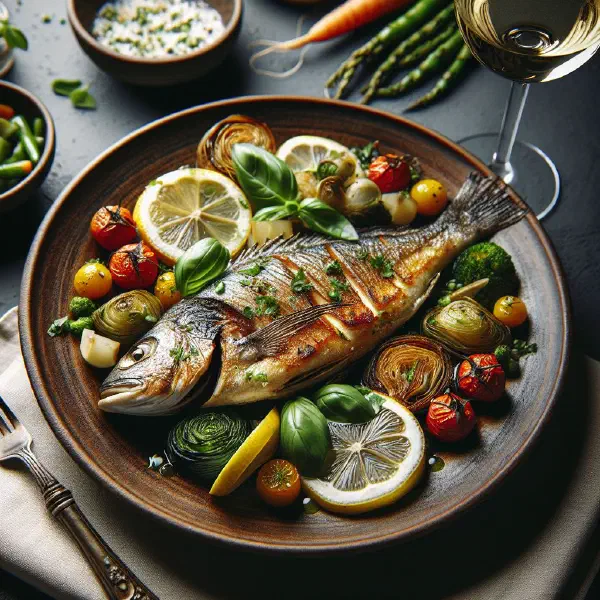
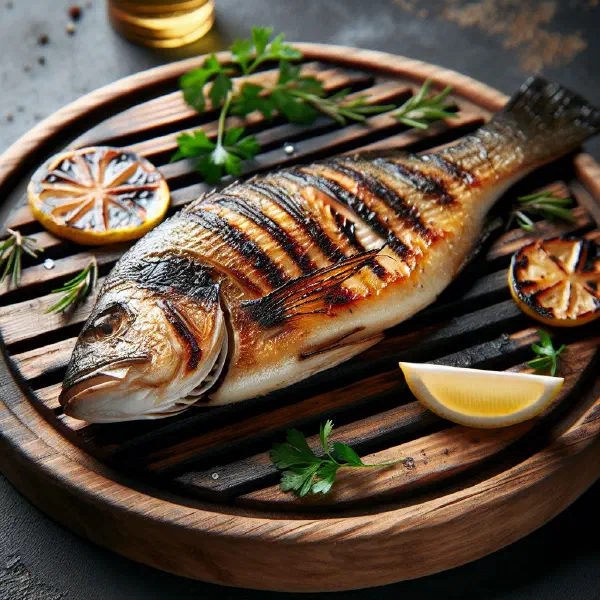
If you don’t have every ingredient to hand, there are plenty of alternatives. Instead of octopus you could use fish or other seafood, much like the catch that shines in Seafood Risotto. Seasonal produce works well for the vegetables, keeping everything fresh and bright. The seasoning can vary too; try Provençal herbs or an Asian-style marinade for a different flavour experience.
Drink pairing ideas
A fresh, dry white wine is the perfect match for peka with tender octopus, lifting the flavours of the dish. Malvasia or an aromatic Sauvignon Blanc are especially good choices. For an alcohol-free option, sparkling mineral water with a squeeze of lemon does the job beautifully, refreshing the palate and letting the dish shine all the more.
Serving and presentation ideas
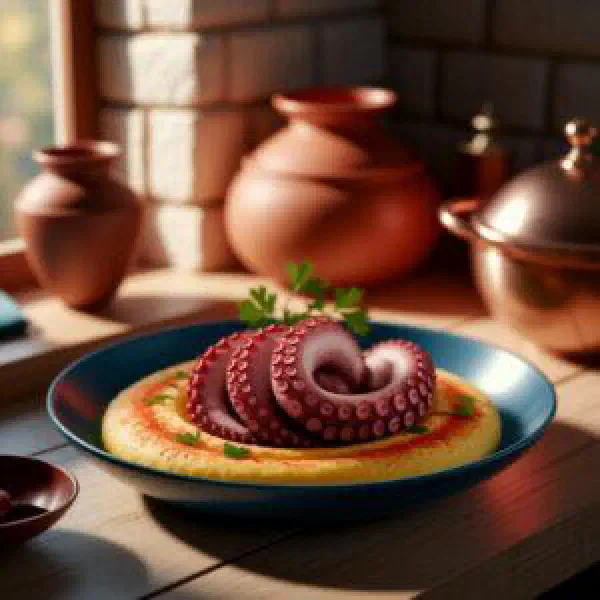
A thoughtful presentation can lift the whole experience. Serve peka with tender octopus straight from the iron pot for a wonderfully rustic look. Garnish the plate with fresh herbs or lemon slices to add colour. You might even dress the table with a maritime theme, a few shells or smooth pebbles make charming finishing touches.
A bit of history
The peka method reaches back to the old traditions of Dalmatian cuisine. Originally it was used by farmers and shepherds to cook over an open fire, and the idea of slow-cooking beneath a covered pot has been treasured down the centuries. Today peka is an absolute must for anyone visiting the Croatian coast, a dish that speaks to the variety and rich heritage of Croatian cooking and the wider Mediterranean.
More recipe ideas
Summary: Peka with Octopus
In short, peka with tender octopus is an extraordinary dish that embodies the traditions of Croatian cooking. With quality ingredients and the right cooking method, the flavour of the octopus and vegetables comes through to perfection. It remains a feast for the senses. Give it a try and bring a piece of Croatian culinary culture into your own kitchen.