National Dish Croatia: Pinca (Recipe)
In this article
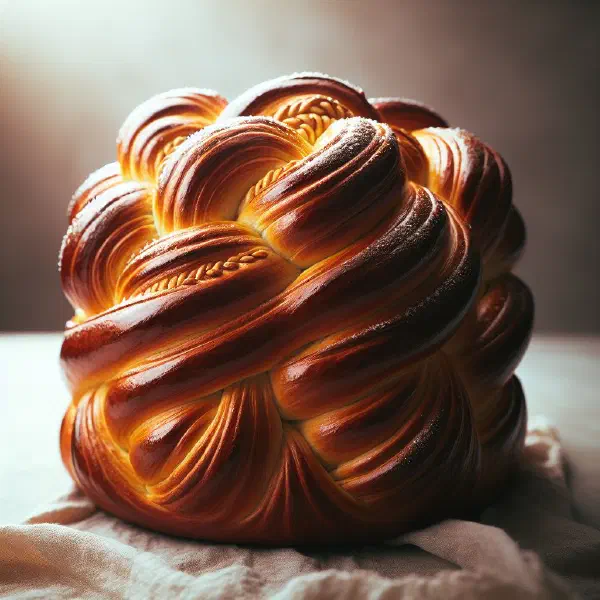
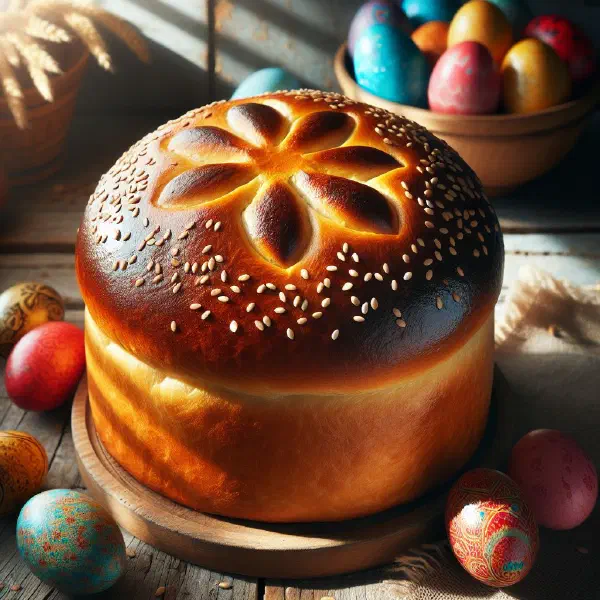
Meet Pinca, the fragrant sweet bread that fills Croatian kitchens at Easter and on other festive days. Rich with yeast, butter and a hint of citrus, this golden loaf is soft, fluffy and gently sweet, a little treat that both children and grown-ups adore. Hailing from the sun-soaked region of Dalmatia, it is wonderfully simple to make at home with just a handful of everyday ingredients. Bake a slice of Croatian tradition and let its warm, comforting aroma fill your home.
About Pinca
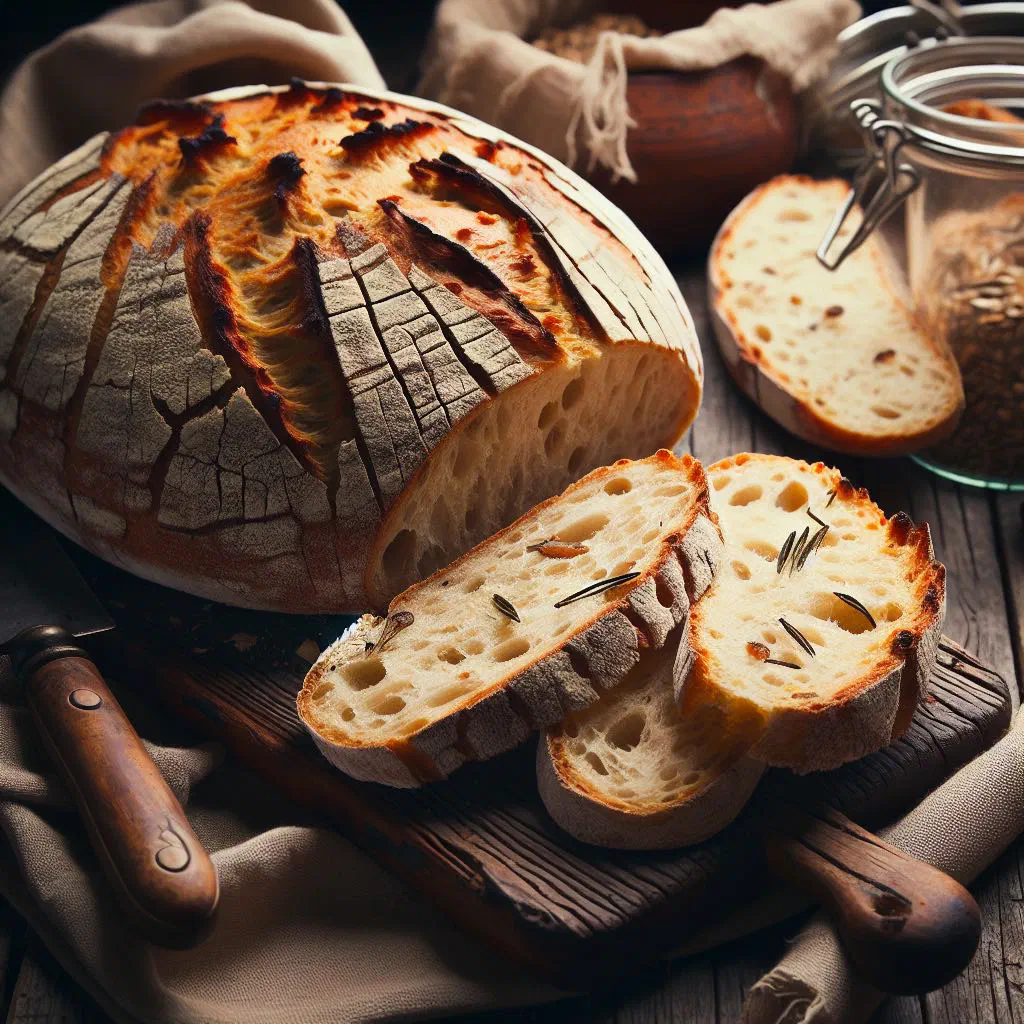
Pinca is a traditional Croatian dish that is prepared above all for celebrations and festive occasions. This sweet, rich yeast-bread speciality has its origins in the region of Dalmatia and is often served around Easter. The combination of fresh ingredients and careful preparation makes pinca a genuine treat. Its fluffy texture and pleasant sweetness make it appealing to children and adults alike, and it sits comfortably alongside other festive bakes such as Uskrsna Pogaca.
Ingredients (serves 1–2)
- 250 g plain wheat flour
- 60 g sugar
- 1 sachet dried yeast
- 1 pinch of salt
- 30 g butter, melted
- 1 egg
- 150 ml milk
- Vanilla sugar, to taste
- Optional: lemon or orange zest
Shopping for the ingredients
When shopping for pinca, fresh, good-quality ingredients make all the difference. Choose a fine flour without additives to achieve the best possible texture. The yeast should be fresh or well sealed to guarantee the light, airy crumb you are after. It is also worth seeking out local markets for fresh eggs and milk, which can noticeably improve the flavour of your loaf.
Preparing the dish
Before you start making pinca, it helps to have everything ready to hand. Measure out the ingredients precisely and make sure the butter is melted and the milk gently warmed. This keeps the preparation straightforward and improves the final result. Remember to preheat the oven to 180 °C so the bread bakes evenly throughout.
Step-by-step instructions
- In a bowl, combine the flour, sugar, dried yeast and salt.
- In a separate bowl, mix the melted butter, the egg and the warm milk until well blended.
- Slowly add the liquid mixture to the flour mixture and knead everything together thoroughly.
- Cover the dough and leave it to prove in a warm place for about 45 minutes, until doubled in size.
- Knead the risen dough briefly again and shape it.
- Place the shaped pinca in a greased loaf tin and leave to prove for a further 20 minutes.
- Bake in the preheated oven for about 25–30 minutes, until golden brown.
- Allow to cool before serving and decorate as you like.
Gluten-free / lactose-free version
For a gluten-free version of pinca, swap the wheat flour for a blend of gluten-free flours such as rice flour or almond flour. Make sure all the other ingredients are gluten-free too. To avoid lactose, replace the milk with a lactose-free variety or a plant-based milk such as almond or oat milk. These small adjustments mean everyone can enjoy the delicious flavours of pinca.
Tips for vegans and vegetarians
Vegans can make pinca by replacing the egg with apple sauce or a mixture of ground flaxseed and water to provide the binding. You should also swap the butter for vegan margarine. Enjoy the flavours of pinca with a plant-based approach, without compromising on taste. For vegetarians, the dish is already suitable, as it contains no meat whatsoever.
More tips and tricks
When making pinca, a few tricks can help improve the result. Take care that the dough is not too dry; if needed, you can add a little more liquid. Thorough kneading is also especially important to develop the structure that makes the bread so light. Letting the dough prove repeatedly helps the loaf gain volume and flavour, much the same patience that rewards you with airy Krafne.
Adapting the recipe to your taste
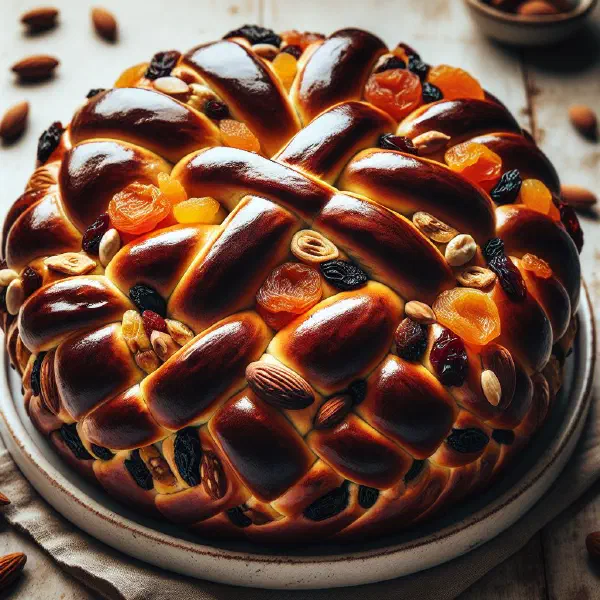
The recipe for pinca can be adapted entirely to your own preferences. Add a handful of dried fruit or nuts, for example, to bring extra texture and flavour. You can also experiment with different aromas such as cinnamon or nutmeg. These tweaks can refine the traditional recipe and make it more versatile, so it suits every palate, a spirit of variation it shares with the poppy-seed swirl of Makovnjaca.
Ingredient substitutions
You can also replace some of the ingredients in the pinca recipe to create different flavours. Instead of sugar, for instance, you might use honey or agave syrup for a more natural sweetness. In place of vanilla sugar, you could use freshly ground vanilla or vanilla extract. Substitutions like these can change the typical taste of pinca in interesting ways.
Drink pairing ideas
Certain drinks pair particularly well with a delicious slice of pinca. An aromatic tea or a tart, fruity red wine complements the sweet bake beautifully. For an alcohol-free option, a freshly squeezed orange juice or a fruity smoothie made from seasonal fruit works wonderfully.
Serving and presentation ideas
When it comes to presenting pinca, there are no limits to your creativity. Serve the bread on a beautiful wooden board and garnish it with fresh fruit or herbs. A nicely arranged dessert plate also makes an impression. If you are offering pinca at a celebration, small portions served in decorative bowls can help create a special atmosphere, perhaps alongside other sweet treats like Kokosov Kolac.
A bit of history
The history of pinca stretches back many years and is deeply rooted in the tradition of Croatian cuisine. Originally this bread was baked for special occasions, particularly during the holidays. It symbolises fertility and prosperity and is part of many regional customs. Making pinca is often a communal event, with families and friends coming together to create and enjoy the delicious loaf, a hallmark of Croatian cuisine and its festive baking, including spiced Medenjaci honey biscuits.
More recipe ideas
Summary: Pinca
In summary, pinca is a delicious bake and a versatile one that can easily be adapted to suit different diets. With fresh, high-quality ingredients and simple preparation steps, you can make this traditional Croatian treat with ease. The ability to tailor pinca to your own preferences makes it all the more appealing. Enjoy a tour to Croatia with this impressive national dish.