National Dish Croatia: Pogača (Recipe)
In this article
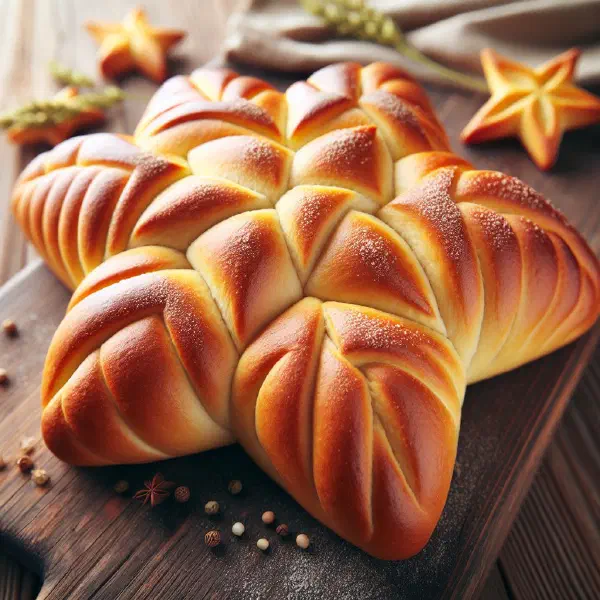
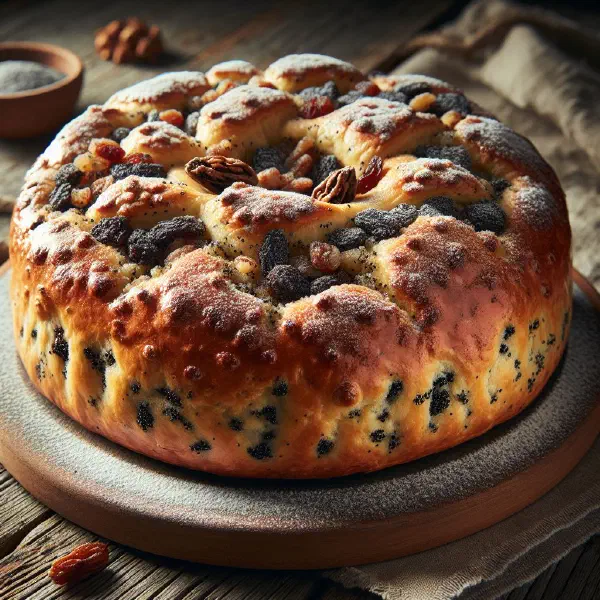
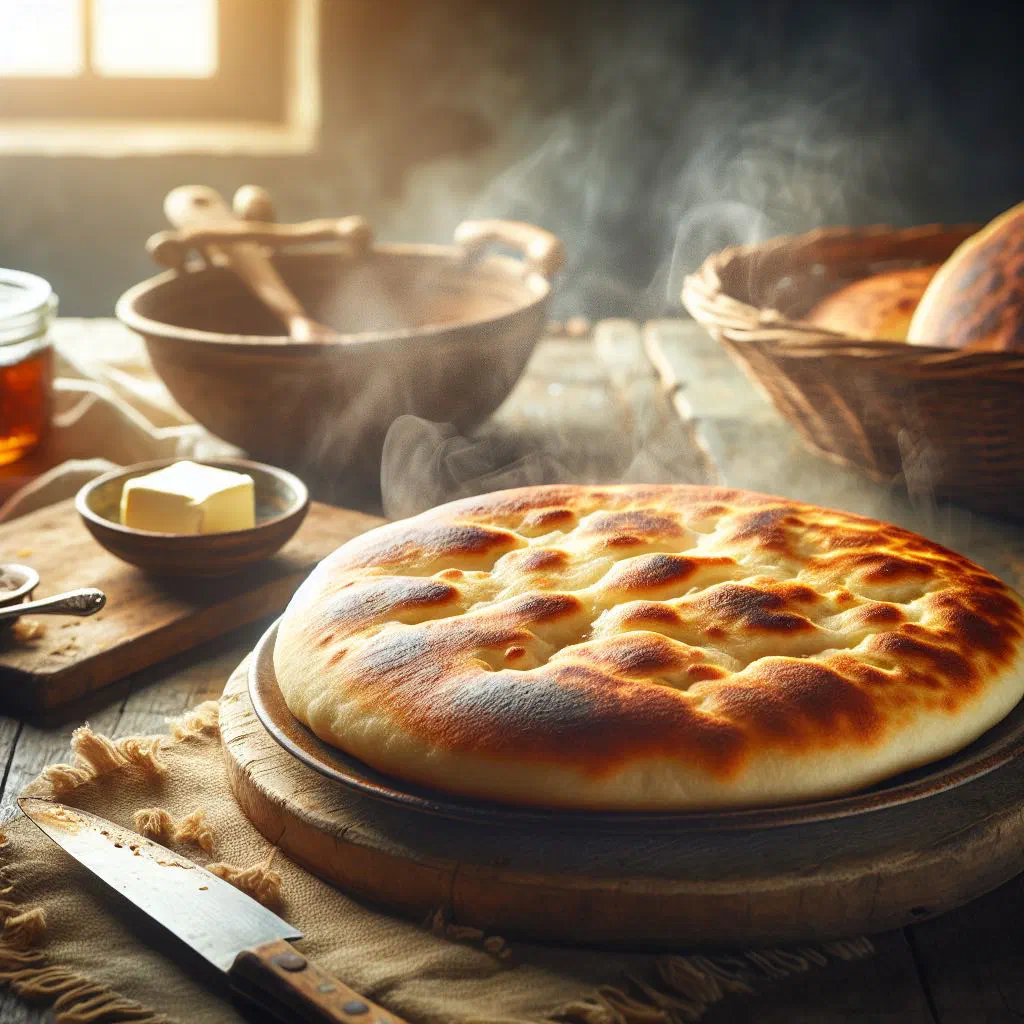
Say hello to Pogača, a wonderfully versatile Croatian flatbread crowned with a golden-brown crust. Soft yet pleasingly chewy inside, it is the kind of bread that feels equally at home on a festive table or torn straight from the board as a simple snack. With just a handful of pantry staples and a little patience while the dough proves, you can fill your own kitchen with the warm aromas of the Croatian coast.
About Pogača
Pogača is a much-loved flatbread found in homes and restaurants right across Croatia. Hearty and satisfying, it works beautifully as a side to all manner of dishes or as the base for sandwiches. What sets it apart is its soft, slightly chewy texture, achieved through careful baking and an unhurried prove. The simple method and humble, everyday ingredients have made it a firm favourite in Croatian kitchens, where good bread is never far from the table.
Ingredients (serves 1–2)
- 250 g flour
- 150 ml water
- 1 tsp dried yeast
- 1 tsp salt
- 2 tbsp olive oil
- 1 tsp sugar
Shopping for the ingredients
To make pogača you need only a few basic ingredients, all of which are easy to find in most supermarkets. Flour is the star of the show, and you can choose between wheat or spelt depending on the flavour you are after. Good olive oil matters too, as it lends the bread extra richness and depth. Don’t forget fresh dried yeast and salt, as these are key to a loaf that rises well and bakes through evenly.
Preparing the dish
Preparing pogača is refreshingly straightforward and asks for very little effort. Start by measuring out all your ingredients and having them to hand, so the process runs smoothly from start to finish. It is also worth greasing your baking tin thoroughly or lining it with baking paper, so the bread releases cleanly once baked. Remember that the dough needs enough resting time to rise properly and turn light and airy.
Step-by-step instructions
- In a large bowl, mix the flour with the salt and sugar.
- Dissolve the dried yeast in lukewarm water, then add it to the flour.
- Pour in the olive oil and knead everything thoroughly until you have a smooth dough.
- Cover the dough in the bowl and leave it to rest in a warm spot for about 1 hour.
- Turn the risen dough out onto a floured surface and knead it once more.
- Shape the dough as you like and place it on a baking tray.
- Leave to prove for a further 30 minutes, then bake in a preheated oven at 200°C for 20–25 minutes.
Gluten-free / lactose-free version
For a gluten-free version of pogača, simply swap the regular wheat flour for a good gluten-free blend, and check that your yeast is gluten-free too. If you want to avoid lactose, the recipe is already on your side. There is no dairy in the basic dough, and the olive oil can be replaced with a plant-based oil such as coconut oil if you prefer. The method stays exactly the same, so you can still achieve a delicious result without these ingredients.
Tips for vegans and vegetarians
The pogača recipe is naturally vegetarian and easily made vegan, simply by making sure every ingredient you use is plant-based. In practice that means reaching for a vegetable oil and leaving out any animal products. To vary the flavour, try working herbs or spices into the dough for a more aromatic loaf. The result is a delicious plant-based side that suits just about any meal.
More tips and tricks
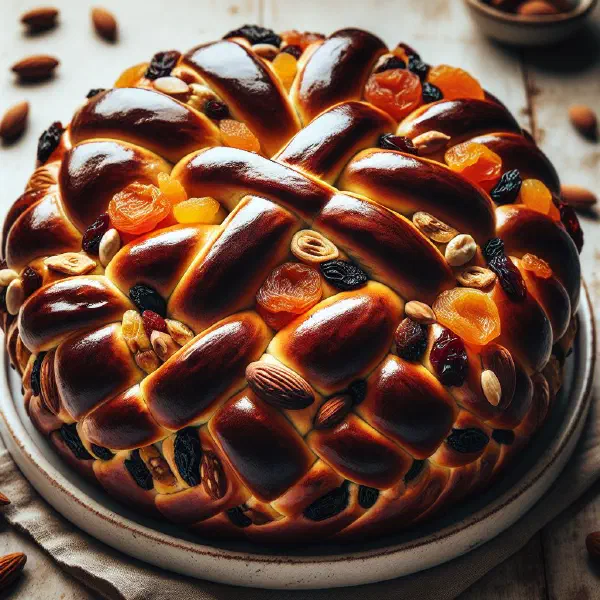
A handy trick for an especially fluffy pogača is to knead the dough again after the first prove and give it a second rest. A bowl of water placed in the oven helps you achieve a lovely crisp crust. Experiment with different fillings to give the bread your own personal stamp, fold through feta, olives or sun-dried tomatoes and enjoy the variety of flavours. A loaf studded this way pairs beautifully with a fresh Sopska Salata.
Adapting the recipe to your taste
The beauty of pogača is how readily the basic recipe bends to your own preferences. Like things on the spicy side? Add chilli flakes or garlic powder to the dough. For a sweet take, scatter in cinnamon and sugar and enjoy the bread as a dessert.
Ingredient substitutions
If you have no olive oil to hand, sunflower or rapeseed oil will give similar results. When it comes to flour, you might try spelt alongside the usual wheat, for a nuttier flavour and a slightly different texture. In place of sugar, you can use honey or maple syrup to sweeten the dough. Be adventurous and find the combination you like best, the same spirit of experimentation that makes a loaf like Kornatski Kruh so rewarding.
Drink pairing ideas
Pogača pairs wonderfully with a whole range of drinks. A good Croatian wine, such as a Plavac Mali or a crisp white, sits in perfect harmony with the bread. If you would rather skip the alcohol, try a refreshing lemon water or a tasty herbal tea.
Serving and presentation ideas
To present your pogača at its best, arrange it on a rustic wooden board. Decorate the loaf with fresh herbs such as rosemary or thyme for a welcome splash of colour. A little dish of olive oil for dipping, or a small bowl of antipasti, makes a lovely addition. A well-laid table with a few stylish touches turns a simple bread into a special occasion.
A bit of history
The story of pogača reaches far back and reflects the traditional cooking of Croatia’s coastal regions. Originally a simple flatbread for everyday eating, it has evolved over the centuries and is now served in many different forms. In Croatia it remains a much-loved bake, often prepared for special occasions and celebrations. It is a symbol of culture and of the warm hospitality that runs through Croatian cuisine, much like its festive cousin Uskrsna Pogača.
More recipe ideas
Summary: Pogača
Pogača is a simple yet delicious Croatian flatbread that makes a wonderful accompaniment to all kinds of dishes. With just a few ingredients and an uncomplicated method, it is a bake suited to beginners and seasoned cooks alike. Through creative tweaks and different fillings, you can shape the recipe entirely to your own taste. Enjoy your pogača in good company and let the flavours of Croatia win you over.