National Dish Croatia: Rozata (Recipe)
In this article
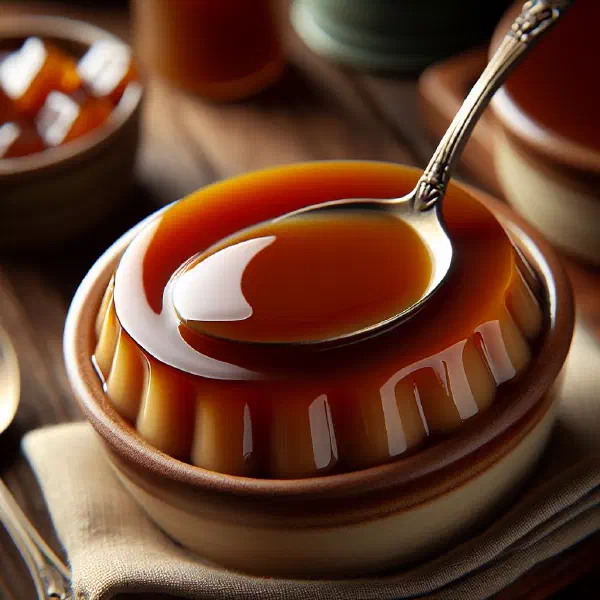
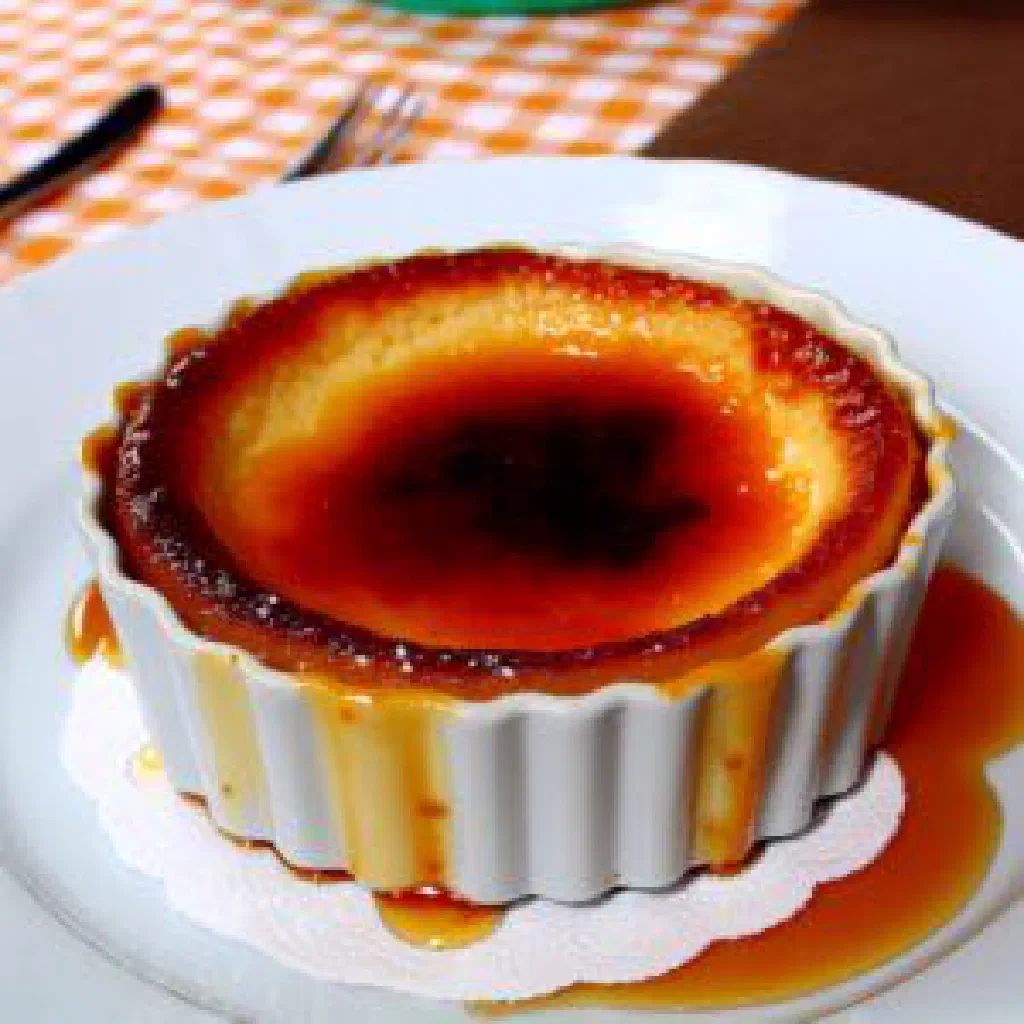
Meet Rozata, the silky caramel custard that Croatia holds close to its heart. This Dalmatian classic pairs a tender, set custard with a glossy caramel topping, all lifted by a bright whisper of citrus. Often compared to the French crème caramel, it has a character entirely its own, refined, comforting and quietly festive. Bring a taste of the Adriatic coast to your own table with this much-loved dessert.
About Rozata
Rozata, also spelled Rožata, is a traditional Croatian custard that is especially beloved in the region of Dalmatia. This good dessert resembles the French crème caramel, yet it carries its own unmistakable character and flavour. The sweetness and creaminess of rozata are often combined with a touch of citrus, which lends the dish a refreshing note. With its delicate texture and caramelised topping, rozata is a genuine treat that wins over locals and visitors alike, and it sits proudly within wider Croatian cuisine.
Ingredients (serves 1–2)
- 200 ml milk
- 200 ml cream
- 100 g sugar
- 2 eggs
- 1 sachet vanilla sugar
- 1 leaf gelatine
- 1 lemon (juice and zest)
Shopping for the ingredients
To make rozata you will need fresh ingredients, most of which are easy to find in any supermarket or local market. Pay particular attention to the quality of the milk and cream, as these have a real influence on the flavour of the finished dessert. Fresh eggs are equally important for achieving the right consistency. It is also worth choosing an organic lemon so you can make the most of the intense flavour of both the zest and the juice.
Preparing the dish
Before you begin making rozata, it is important to get all your ingredients properly prepared. The gelatine should first be soaked in cold water so that it can later be stirred smoothly into the mixture. The lemon should be washed and zested so you can extract both the juice and its aromatic oils. A handheld whisk or blender will help you combine everything evenly and achieve a beautifully smooth mixture.
Step-by-step instructions
- Heat the milk and cream in a saucepan, then stir in the sugar and vanilla sugar until fully dissolved.
- Whisk the eggs well in a bowl and add them gently to the warm milk mixture.
- Squeeze out the soaked gelatine, dissolve it in the warm milk, then add the lemon juice and zest.
- Mix everything together thoroughly and pour into small moulds.
- Leave the moulds to set in the fridge for at least 4 hours.
Gluten-free / lactose-free version
Rozata is naturally suited to a gluten-free diet, so simply make sure that all the ingredients you use, such as the milk and cream, are gluten-free. Instead of conventional dairy you can also use plant-based milk such as almond or oat milk for a lactose-free version. Take care to choose a plant milk with a creamy consistency so the dessert does not turn out watery. Plant-based sweeteners can likewise be used to adjust the recipe to your needs.
Tips for vegans and vegetarians
For a vegan version of rozata, you can replace the eggs with plant-based alternatives such as apple purée or chia seeds. To keep the dessert lovely and creamy, use coconut or almond yoghurt in place of the cream. Vegan sugar alternatives can also be used to sweeten the dish. These small adjustments make it easy to bring rozata to the table for vegans too.
More tips and tricks
One key tip when making rozata is to lightly grease the moulds with a neutral oil before pouring in the mixture. This makes it far easier to turn the custard out cleanly later on. Experiment with the amount of sugar to tailor the sweetness to your own taste. Adding a pinch of spice such as cinnamon or nutmeg can also create interesting new layers of flavour.
Adapting the recipe to your taste
Rozata leaves plenty of room for adapting it to personal preference. You could vary the citrus notes, for example, by using orange or lime instead of lemon. Experimenting with different sugar alternatives or fruit purées can open up new flavour experiences too. This flexibility makes rozata especially adaptable and appealing to every palate, in the same spirit as a homely Karamel Puding.
Ingredient substitutions
If you are missing certain ingredients for rozata, there is plenty of scope to get creative. Instead of sugar you can use honey or agave syrup to sweeten the dessert. The gelatine can be swapped for agar-agar, which is a particularly attractive option for vegans. When it comes to flavouring, you might also experiment with coffee or chocolate to create unique variations, much as you would when making a rich Puding Od Kruha.
Drink pairing ideas
Rozata pairs beautifully with a wide range of drinks. A glass of fresh orange juice or a light sparkling water offers a refreshing accompaniment to this rich dessert. A lightly fruity white wine could also complement the flavours wonderfully. For a particularly aromatic touch, fruit teas round off the dessert in style.
Serving and presentation ideas
The presentation of rozata can be every bit as creative as its preparation. Serve the custard on an elegantly arranged plate and garnish it with fresh berries or mint leaves. A light dusting of icing sugar can also add a pretty finishing touch. Use transparent glasses to show off the layers and lovely colours, creating an inviting table setting alongside a slice of Madarica.
A bit of history
Rozata has an interesting history that reaches back to medieval Croatia. Originally the dish was prepared by the aristocratic upper classes and was considered a mark of prosperity. The methods and ingredients have shifted over the years, yet the basic idea has remained the same. Today rozata is a much-loved dessert served both in restaurants and at family gatherings, playing an important role in Croatian food culture alongside treats like Kremsnite.
More recipe ideas
Summary: Rozata
In summary, rozata is a delicious dessert and a connection to Croatia’s rich culture. This dish enjoys enormous popularity and is wonderfully easy to master. The many possibilities for adapting and varying it make rozata a recurring highlight at any table. Give it a try and let yourself be charmed by the flavours and history of this traditional dessert.