National Dish Croatia: Slavonian Paprikash (Recipe)
In this article
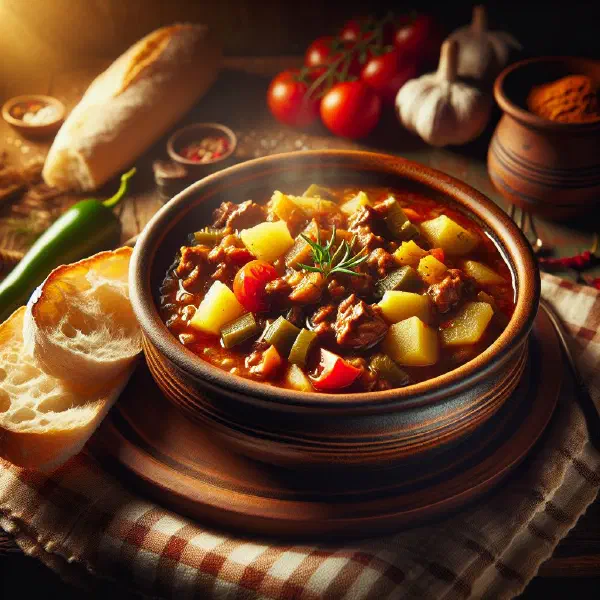
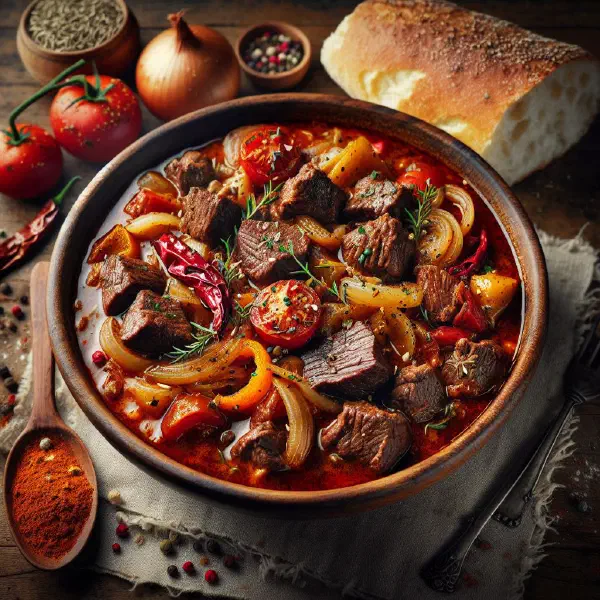
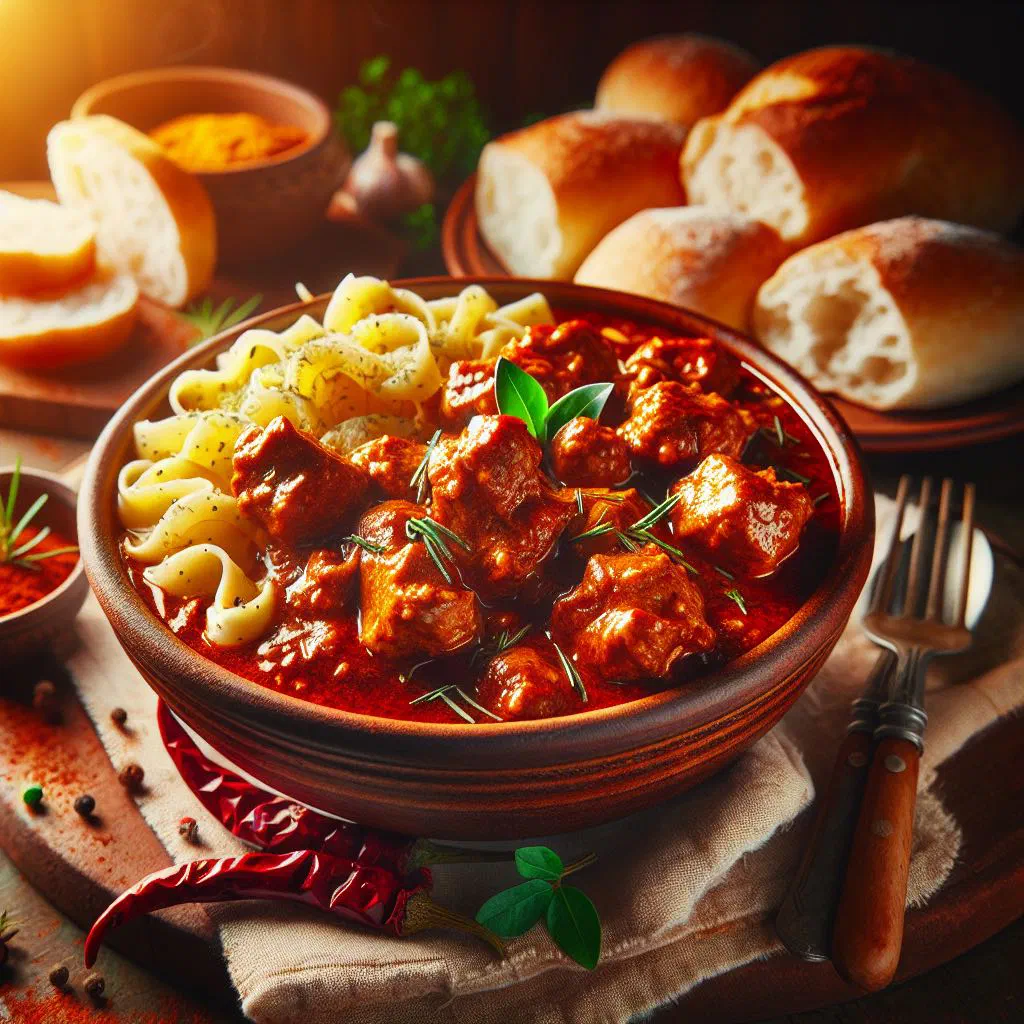
Bring the warmth of eastern Croatia to your table with Slavonian Paprikash, a soul-warming stew that the region of Slavonia is rightly proud of. Tender beef simmers slowly with sweet peppers, onions and a generous hand of paprika until everything melts into a rich, ruby-red sauce. Hearty, rustic and endlessly comforting, it is the kind of dish that tastes of home, best mopped up with a thick slice of fresh bread.
About Slavonian Paprikash
Slavonian Paprikash is a traditional dish from Croatia, celebrated for its hearty flavours and warming, spiced aromas. It is especially loved in the region of Slavonia and reflects the country’s rich culinary heritage. The star ingredient, paprika, gives the stew its unmistakable colour and taste, winning over locals and visitors alike. Paprikash is often served with fresh bread, which rounds off the whole experience beautifully.
Ingredients (serves 1–2)
- 300g beef (chuck or shoulder)
- 1 large onion
- 2–3 cloves of garlic
- 2–3 peppers (red, green, yellow)
- 1–2 tablespoons paprika (sweet and hot)
- 500ml vegetable or beef stock
- 2 tablespoons oil (sunflower or olive)
- Salt and pepper, to taste
- Fresh parsley, to garnish
Shopping for the ingredients
When shopping for the ingredients for Slavonian paprikash, it pays to look out for the quality of the beef and the peppers. Fresh beef from a butcher you trust makes for a far more flavoursome stew. The peppers should be crisp and fresh so they bring bright colour and taste to the dish. Don’t forget to pick up fresh herbs such as parsley, too, which you’ll need for the garnish.
Preparing the dish
Start by cutting the beef into small cubes and finely chopping the onion and garlic. The peppers need to be deseeded and cut into pieces as well. With everything prepped and within reach, the cooking can flow smoothly and stress-free.
Step-by-step instructions
- Heat the oil in a large pot and sauté the onions and garlic until translucent.
- Add the prepared beef and brown it well on all sides.
- Stir in the paprika and toast it briefly to release its aroma.
- Add the pepper pieces and the stock, then bring everything to the boil.
- Reduce the heat and let the paprikash simmer gently for about 1 to 1.5 hours, until the meat is tender.
- Season with salt and pepper and garnish with fresh parsley before serving.
Gluten-free / lactose-free version
Slavonian paprikash is naturally gluten-free and lactose-free, as none of the ingredients used contain gluten or dairy. It is worth checking the stock when you buy it, as some shop-bought varieties can contain gluten. The method itself stays exactly the same, which makes this a great option for anyone with dietary restrictions.
Tips for vegans and vegetarians
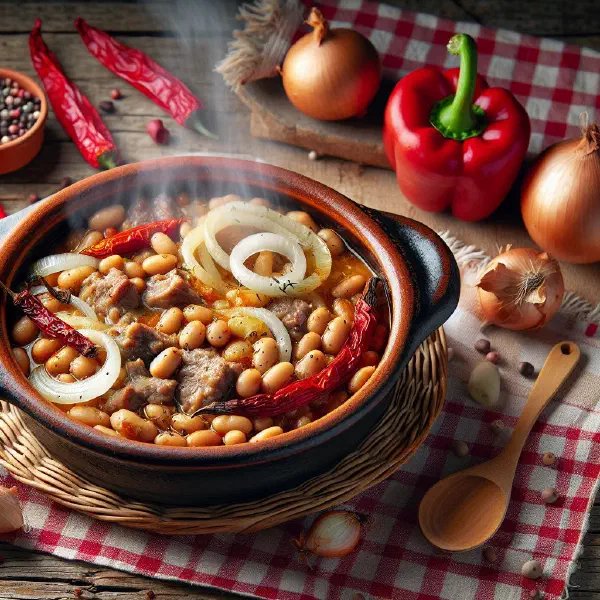
For a vegan or vegetarian version of Slavonian paprikash, swap the beef for firm vegetables such as courgette or aubergine. Use a good vegetable stock in place of the meat stock to keep that characteristic depth of flavour. The spices stay the same, ensuring the dish loses none of its aromatic character. That way you can enjoy all the flavours of paprikash with no animal products at all, much like a comforting bowl of Bean Stew.
More tips and tricks
A few tips and tricks can help you nail the perfect dish. Cook the paprikash in a heavy-based pot so the heat spreads evenly. A slow, gentle simmer is key to letting the flavours mingle properly. The stew can also taste even better after a night in the fridge, as the aromas continue to deepen and intensify.
Adapting the recipe to your taste
Another lovely thing about Slavonian paprikash is how easy it is to adapt. Depending on your own taste you can add more or fewer spices, or work in extra vegetables. If you like a bit more heat, a touch of chilli does the trick. Anyone can shape this dish to suit their preferences, which makes it all the more versatile.
Ingredient substitutions
If you don’t have certain ingredients to hand, there are plenty of alternatives. Instead of beef you could use chicken or even tofu. With the peppers, you might try fennel or carrots for a different flavour. Substitutions like these can give the dish a personal twist while making it easier to put together, the same spirit of improvisation that shines in a rustic Veal Goulash.
Drink pairing ideas
A good drink can round off the Slavonian paprikash experience perfectly. A robust red wine is a wonderful match for the stew’s hearty flavours and complements the spice well. Alternatively, sparkling water or a freshly brewed fruity iced tea make refreshing choices. For an alcohol-free option, a ginger lemonade also pairs nicely with the dish’s spices.
Serving and presentation ideas
How you present your Slavonian paprikash can really lift the whole meal. Serve it in an attractive deep bowl and garnish with fresh herbs such as parsley or spring onions. A slice of fresh bread on the side makes an inviting accompaniment. Colourful plates can make the dish look even more appetising and add to the pleasure of eating it.
A bit of history
Slavonian paprikash has a long tradition in Croatian cooking. Originally a peasant dish, it was often made in the countryside, where fresh ingredients were close at hand. Its importance to the Slavonia region reflects the warm hospitality and strong connection to the land found there. Today it is a much-loved delicacy, frequently served at sociable gatherings and a proud part of Croatian cuisine.
More recipe ideas
Summary: Slavonian Paprikash
To sum up, Slavonian paprikash is a delicious and versatile dish that suits all kinds of occasions. The combination of tender beef, colourful peppers and aromatic spices makes for a memorable taste experience. The paprikash is sure to win over plenty of palates. Enjoy both the cooking and the eating of this wonderful dish, and invite others to share it with you.