National Dish Cuba: Majarete (Recipe)
In this article
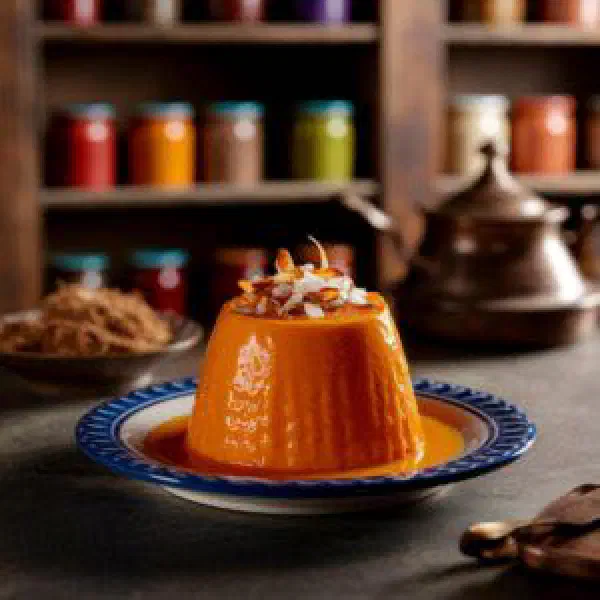
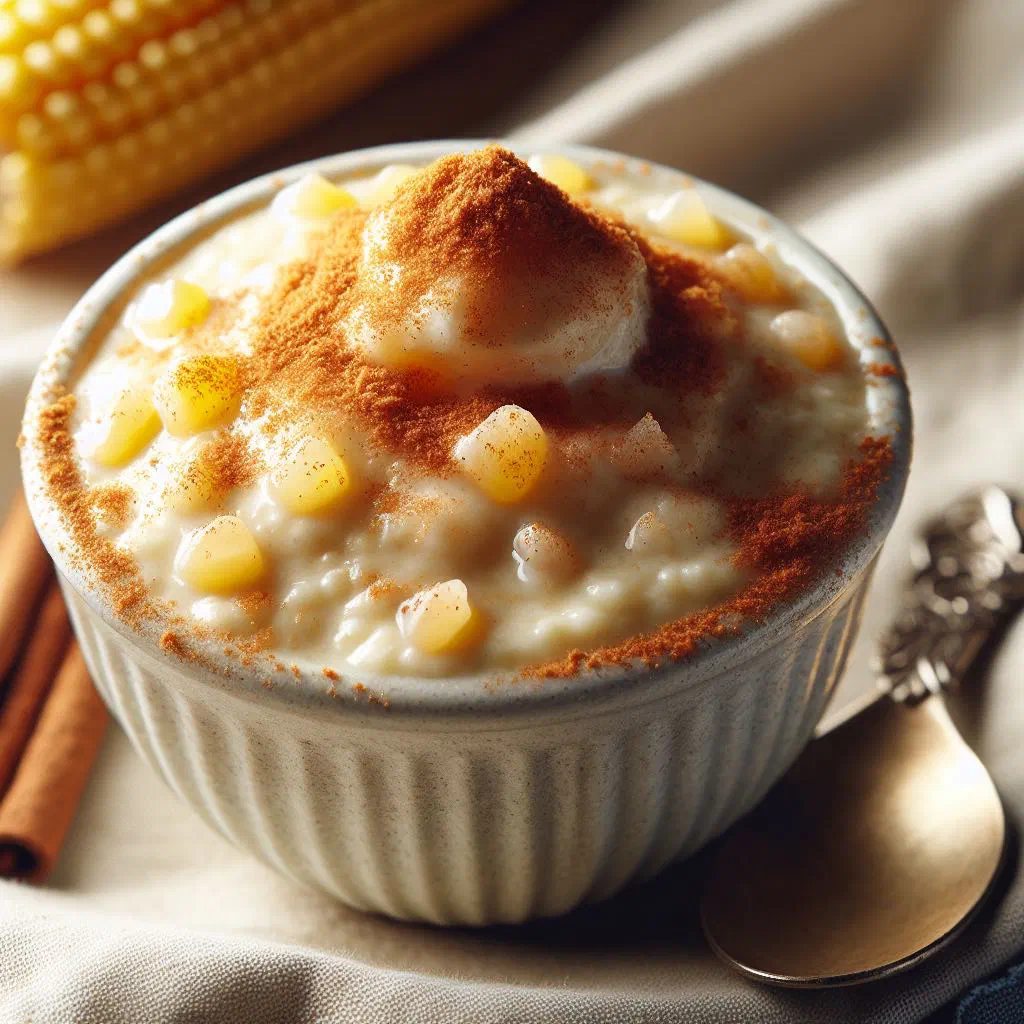
Meet Majarete, one of the sweetest treasures of the Cuban table. This silky, spoonable pudding brings together cornmeal, coconut milk and sugar into a gently set dessert that tastes of the tropics. Traditionally served at celebrations and family gatherings, it delivers pure Caribbean comfort in every mouthful. Simple to make yet quietly luxurious, majarete is the kind of treat that turns an ordinary afternoon into a small occasion.
About Majarete
The Cuban dessert Majarete has its roots in the rich and varied world of Cuban cuisine. With its creamy texture and mellow sweetness, it is a highlight at festive occasions and get-togethers. The main ingredients, cornmeal, coconut milk and sugar, come together to make a delicate yet satisfying pudding that appeals to locals and visitors alike. Savour the flavours of Cuba in every spoonful of this traditional dish.
Ingredients (serves 1–2)
- 100 g cornmeal (masa harina)
- 400 ml coconut milk
- 100 g sugar
- 1 pinch of salt
- A small handful of grated coconut (optional, to decorate)
Shopping for the ingredients
To make a delicious majarete, it is worth seeking out good-quality ingredients. Coconut milk is usually easy to find in Asian or Latin American grocers, and fresh cornmeal can be sourced in the same shops or in larger supermarkets. Where possible, choose unsweetened coconut flakes for the decoration to add an extra dimension of flavour. Make sure everything is as fresh as possible for the best possible taste.
Preparing the dish
Getting your majarete ready is quick and straightforward. Begin by gathering all the ingredients in one place and choosing a suitable bowl for mixing. A hand whisk or mixer will help you achieve a smooth, lump-free mixture. It also helps to have a well-greased mould ready so the finished dessert releases cleanly and does not stick.
Step-by-step instructions
- Heat the coconut milk gently in a saucepan, but do not let it come to the boil.
- Combine the cornmeal thoroughly with the sugar and the pinch of salt.
- Stir the dry ingredients slowly into the warm coconut milk, whisking constantly to prevent lumps forming.
- Keep heating the mixture until it begins to thicken and takes on a pudding-like consistency.
- Pour the finished mixture into a greased mould and leave it to cool until set.
Gluten-free / lactose-free version
Majarete is naturally gluten-free and lactose-free, since its main ingredients are cornmeal and coconut milk. That makes it an ideal sweet for anyone with a gluten intolerance or lactose intolerance. When buying the coconut milk, check that it contains no added dairy so you can be sure the dessert is suitable for everyone at the table.
Tips for vegans and vegetarians
For vegans and vegetarians, majarete is an excellent choice, as it contains no animal products whatsoever. Stick to entirely plant-based ingredients to keep the vegan version faultless. If you would like it a touch sweeter, you can use plant-based sugar or agave syrup in place of ordinary sugar. That way you are opting for a dessert that is both wholesome and kind to the environment.
More tips and tricks
To get the best result from your majarete, patience pays off while the mixture thickens. Stir regularly to stop it catching on the base of the pan. You can also adjust the consistency to your liking by adding a little more or less coconut milk. Let the dessert cool thoroughly before serving so it firms up and holds its shape when spooned or sliced.
Adapting the recipe to your taste
The recipe for majarete is easy to tailor to different palates. Add a splash of vanilla extract, for instance, for an extra layer of fragrance, or replace some of the sugar with honey or an alternative sweetener. This is how a simple pudding becomes a unique experience for every taste.
Ingredient substitutions
If you do not have cornmeal to hand, other gluten-free flours such as rice flour can be used for a similar result. In place of coconut milk you can use almond or soya milk, though this will alter the distinctive character that defines majarete. When swapping ingredients, keep personal preferences and possible allergies in mind, much as you would with the creamy rice pudding Arroz Con Leche, to create the perfect dessert for all.
Drink pairing ideas
A range of drinks makes a fine partner for your majarete. Cuban coffee is an excellent choice, its bittersweet strength balancing the dessert’s sweetness. For an alcohol-free option, try a fresh fruit juice such as a Jugo De Pina Natural, or a glass of coconut water to underline the tropical notes. If you fancy something more traditional, a classic mojito or daiquiri rounds off the Caribbean mood beautifully.
Serving and presentation ideas
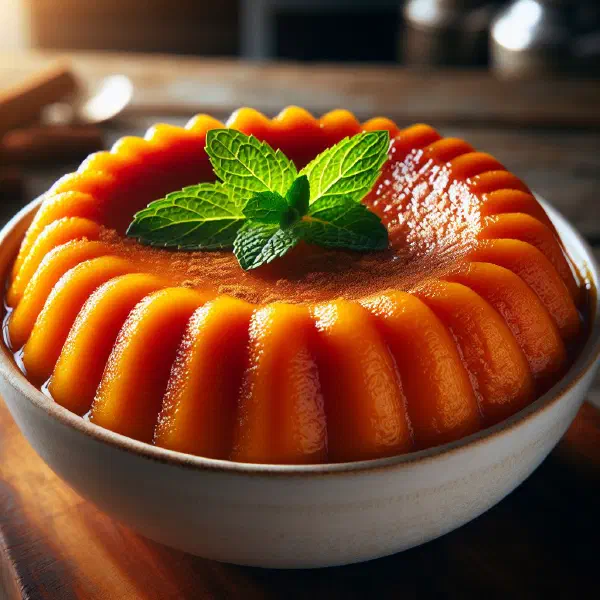
An attractive presentation makes your majarete even more appetising. Serve it in small dessert glasses or on prettily decorated plates for a celebratory feel. Garnish with a scattering of grated coconut, fresh mint leaves or edible flowers. Take care to portion it evenly so every guest enjoys a lovely serving of the dessert.
A bit of history
The roots of majarete lie in traditional Cuban cooking, shaped strongly by Afro-Caribbean culture and Spanish influences. This dessert is often served at celebrations and special occasions, which underlines its place in Cuban gastronomy. Historically it reflects the creativity and resourcefulness of the Cuban people, who turned whatever was available into delicious food. It is not merely a dish but a part of Cuban identity, at home among the sweets of the wider Cuban cuisine.
More recipe ideas
Summary: Majarete
In short, majarete is a delicious and easy-to-make Cuban dessert that brings the flavours of the Caribbean into any home. With its simple ingredients and fuss-free method, it is perfect for any occasion. A family gathering or simply for the pleasure of it, majarete is sure to win over your guests. Give it a go and experience Cuban hospitality through this heavenly dessert.