National Dish Cuba: Malanga (Recipe)
In this article
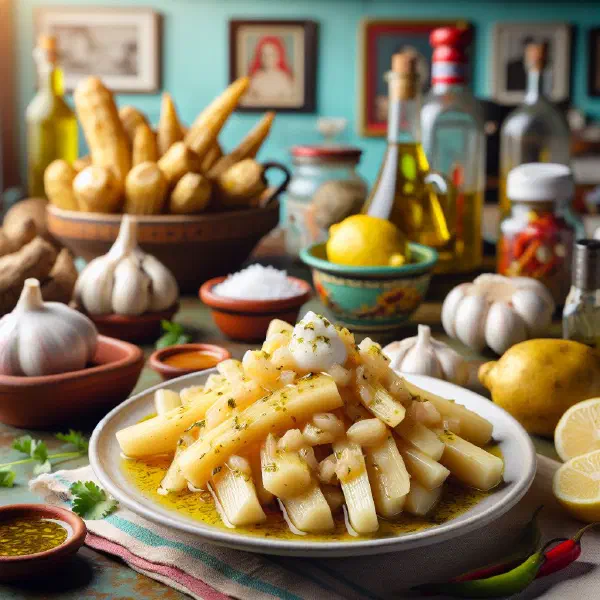
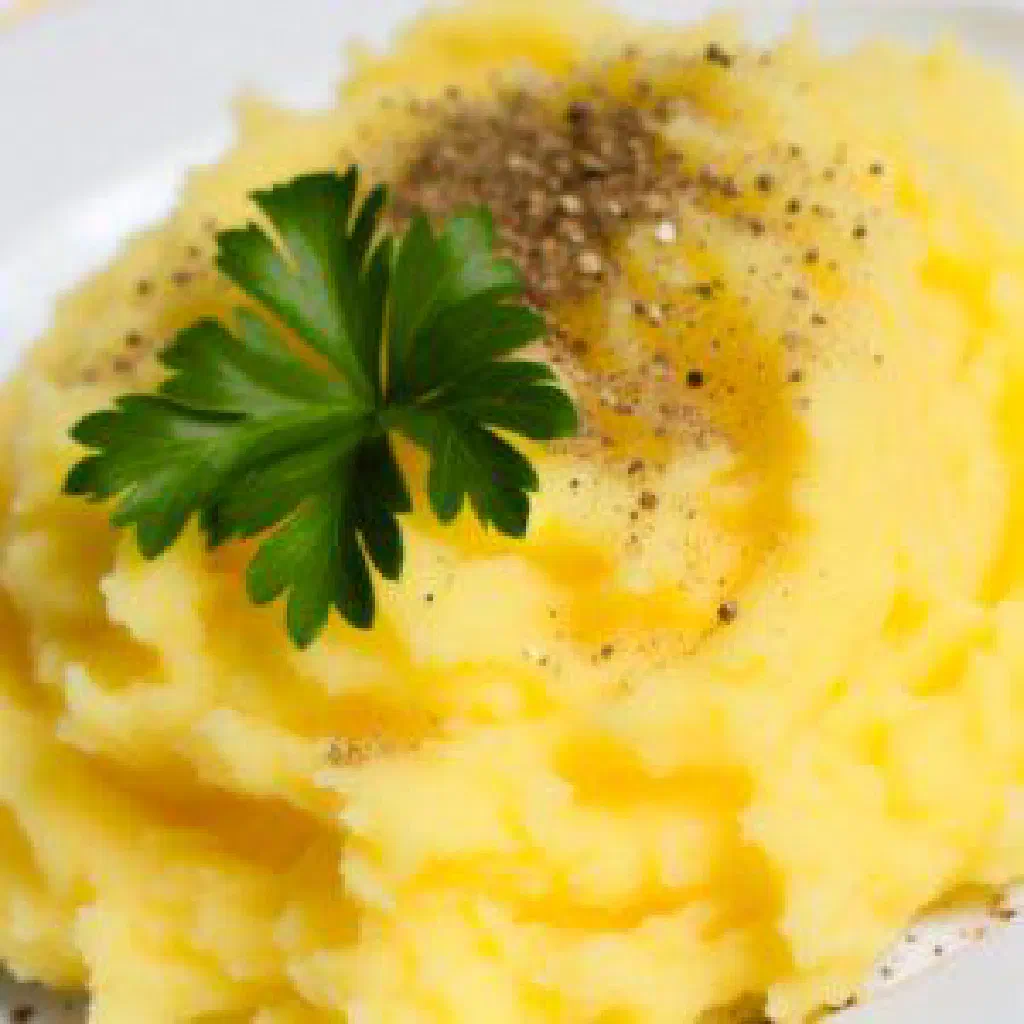
Discover Malanga, a humble root vegetable that sits at the heart of Cuban and Caribbean cooking. With its delicate, nutty flavour and wonderfully creamy texture, this tuber turns into a comforting mash that carries the warm spirit of the islands. Simple to prepare yet endlessly versatile, it makes a satisfying side or a dish in its own right. Bring a taste of Havana straight to your own kitchen.
About Malanga
Malanga is a knobbly root vegetable that is hugely prized in Cuban and Caribbean cooking. Its fine, nutty flavour and creamy texture make it a favourite in many traditional dishes. It can be prepared in a number of ways, whether boiled, mashed or fried. Beyond its delicious taste, malanga also offers plenty of nutritional benefits, being rich in fibre and other nutrients.
Ingredients (serves 1–2)
- 300 g malanga
- 1–2 tablespoons olive oil
- 1 garlic clove, chopped
- Salt and pepper to taste
- Fresh parsley, to garnish
Shopping for the ingredients
When shopping for malanga, look for fresh, firm tubers. You will find it in well-stocked supermarkets or at the market, where other tropical roots are often on offer too. Choose tubers with an even skin and no soft spots. The other ingredients, such as the olive oil and fresh herbs, should also be of good quality to bring the best possible flavour to your dish.
Preparing the dish
Before you begin cooking malanga, it is important to clean the tuber thoroughly. Remove the skin with a vegetable peeler, as it is inedible. Once peeled, cut the malanga into evenly sized pieces so it cooks through at the same rate. These simple steps are key to enjoying the full aroma and texture of the tuber.
Step-by-step instructions
- Place the peeled malanga in a pan of water and bring to the boil.
- Simmer for about 15–20 minutes until soft enough to pierce easily with a fork.
- Drain off the water and mash the malanga with a potato masher or a fork.
- Heat the olive oil in a frying pan and add the chopped garlic. Sauté briefly until golden.
- Add the mashed malanga to the pan, mix well and season with salt and pepper.
- Fry the mixture for a few more minutes until lightly browned, then garnish with fresh parsley to taste.
Gluten-free / lactose-free version
Malanga is naturally gluten-free and lactose-free, making this dish ideal for anyone with intolerances. You can enjoy the recipe without worrying about ingredients that might upset your stomach. Just take care that any extras, such as the olive oil and seasonings, are gluten- and lactose-free too. This flexibility makes malanga a reliable choice for anyone looking to eat a little more healthily.
Tips for vegans and vegetarians
Malanga is a perfect base for vegan and vegetarian dishes. To keep things interesting, add vegetables such as spinach, peppers or courgette. These bring extra nutrients and colour and flavour. Experiment with different spices, too, to discover new aromas that suit your own taste.
More tips and tricks
To make your malanga even tastier, try scattering over some toasted nuts or seeds. This adds a satisfying crunch and complements the nutty notes of the tuber beautifully. Serving it warm to hot ensures the texture and flavour come through at their best. It is also at its finest eaten freshly prepared, so you can enjoy every last bit of the aroma. For more ideas along these lines, take a look at Frituras De Malanga.
Adapting the recipe to your taste
The malanga recipe is easily adapted to individual preferences. If you like a little heat, add a small amount of chilli or paprika. The choice of oil can be tailored too; try peanut oil, for example, for a more exotic flavour. Small tweaks like these can liven up the dish and turn it into a fresh and exciting experience.
Ingredient substitutions
If you cannot find malanga, there is no need to worry. You can use other tubers such as yuca or potatoes instead. Both have a similar flavour and consistency, so most recipes work just as well, the same yuca that shines in Yuca Con Mojo. Remember to adjust the cooking time, as different tubers take different lengths to cook. With these alternatives you can still conjure up a delicious dish.
Drink pairing ideas
To round off your malanga dish, serve a refreshing drink such as a Cuban mojito or a glass of freshly squeezed juice. These pair perfectly with the nutty flavour of the tuber and bring those Caribbean aromas to your table. Alternatively, still water or a fruity tea is a good choice to refresh the palate without overwhelming it. The right drink can enrich the whole dining experience.
Serving and presentation ideas
Presentation can make a real difference to the overall impression of your malanga dish. Serve the mash in an attractive bowl and garnish with fresh parsley or rocket for a touch of colour. You could also plate the dish alongside a range of vegetable sides to create an appealing contrast. These small details all add to the look of the meal and make it feel that bit more special.
A bit of history
Malanga has a long history in Caribbean cuisine and is particularly important in Cuba. The tuber was valued by the region’s indigenous peoples and remains a firm fixture in many traditional recipes to this day. It is a symbol of Cuba’s culinary variety. Through African and Spanish influences, the way it is prepared has evolved over time, giving rise to the rich flavour for which malanga is known throughout Cuban cuisine.
More recipe ideas
Summary: Malanga
Malanga is a wonderful Cuban dish that wins you over with its delicate flavour and its versatile preparation. The tuber has something to offer every palate. Its simple preparation and adaptability make malanga a real asset in any kitchen. Discover the delicious possibilities of this traditional ingredient and bring a little Cuban flair straight to your plate.