National Dish Cuba: Natilla (Recipe)
In this article
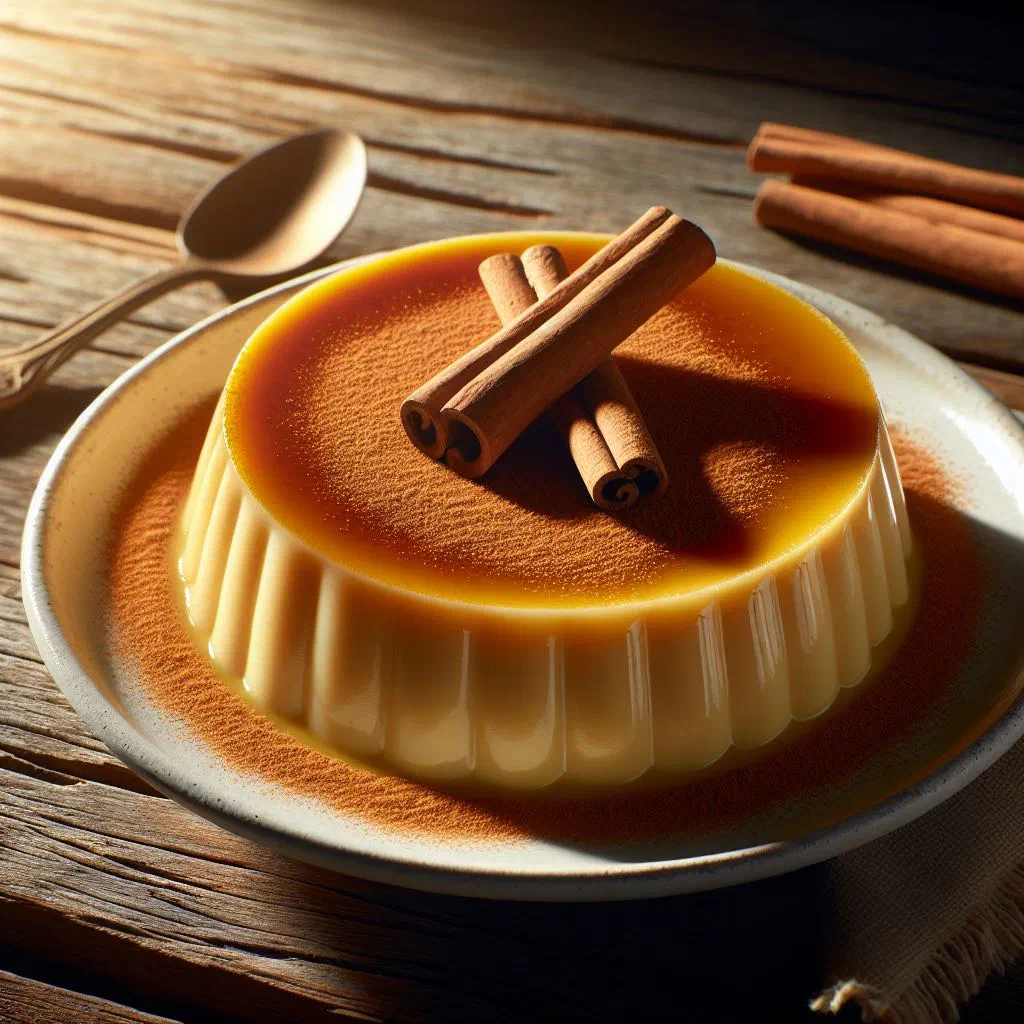
Meet Natilla, the silky vanilla custard that graces Cuban tables at every celebration. Gently sweet and luxuriously smooth, this classic pudding turns a handful of everyday ingredients into pure comfort. Natilla carries the warmth of Cuban hospitality in every spoonful, a taste of the island’s rich dessert heritage in one creamy dish.
About Natilla
Natilla is a classic Cuban dessert celebrated for its creamy texture and unmistakable flavour. It is often served for special occasions such as holidays and family get-togethers. The ingredients are simple, but the preparation calls for a little love and care. In many Cuban households it is a fixture of the dessert repertoire, a recipe handed down lovingly from one generation to the next.
Ingredients (serves 1–2)
- 500 ml milk
- 100 g sugar
- 50 g cornflour
- 1 egg
- 1 teaspoon vanilla extract
- A pinch of salt
- Optional: cinnamon or desiccated coconut, to decorate
Shopping for the ingredients
The ingredients for natilla are easy to find and can be picked up in most supermarkets or delicatessens. Take care to choose fresh milk and a good-quality vanilla extract, as these two ingredients have a huge impact on the flavour. The quality of the cornflour can also affect the texture of the finished dessert. On the whole the ingredients are inexpensive, so you can put together a delicious pudding without stretching your budget.
Preparing the dish
Before you start making the natilla, gather all your ingredients together. Measure out the milk, sugar and cornflour, and make sure you have a good whisk or a hand mixer to hand. The egg should be at room temperature so it blends more easily with the other ingredients. Remember to prepare a bowl for mixing, as it will go straight onto the hob for cooking.
Step-by-step instructions
- Warm the milk in a saucepan, but do not let it come to the boil.
- In a separate bowl, blend the cornflour with a little cold milk so no lumps form.
- Once the milk is warm, add the sugar and the cornflour mixture, stirring constantly.
- Add the beaten egg and mix well.
- Keep stirring over a medium heat until the mixture thickens.
- Add the vanilla extract and a pinch of salt, and combine thoroughly.
- Spoon the natilla into dessert dishes and leave to cool.
Gluten-free / lactose-free version
Natilla adapts easily to gluten-free and lactose-free diets. Simply use lactose-free milk or a plant-based alternative such as almond or oat milk. Make sure the cornflour you use is gluten-free too, which is the case with most everyday brands. You can avoid a grainy texture by stirring well and heating the mixture slowly and gently.
Tips for vegans and vegetarians
For a vegan natilla you can leave out the egg or replace it with a plant-based binder such as chia seeds or apple purée. Reach for plant-based milk alternatives and, if you wish, sweeten with natural options like agave syrup or maple syrup. Keep an eye out for gluten-free choices where needed. That way even vegan diners can savour this creamy delicacy.
More tips and tricks
To make your natilla even more interesting, you can enhance it with different flavourings. Cinnamon or nutmeg are classic spices that lend a special character. Adding grated chocolate or a fruit purée can also make for a lovely change. Another tip is to leave the natilla overnight in the fridge so it can set and the flavours have time to deepen, much like a good Arroz Con Leche.
Adapting the recipe to your taste
Natilla is wonderfully versatile and can be tailored to all sorts of tastes and preferences. Experiment with different extracts such as almond or orange blossom to discover new flavours. For an especially rich version, fold in a portion of whipped cream. Think, too, about which fruits or sauces you might use as a topping to vary the taste.
Ingredient substitutions
If you do not have cornflour to hand, potato starch makes a good alternative for achieving a similar texture. There are plenty of options for sweetening as well, such as coconut sugar or honey for a more natural sweetness. For a completely sugar-free version you could consider sweeteners, though the dosage will vary from product to product. Experimenting with different ingredients, as you might with a Flan, often leads to surprisingly delicious results.
Drink pairing ideas
A variety of drinks pairs well with a delicious natilla, depending on the occasion and your personal taste. A cup of freshly brewed coffee complements the sweetness beautifully and offers a lovely contrast. A lightly chilled white wine or a sparkling cava is an excellent choice too. For children or the whole family, a refreshing fruit water or a fruity smoothie makes a fine accompaniment.
Serving and presentation ideas
Thoughtful presentation can make natilla even more appealing. Use clear dessert glasses to show off the layers and creamy texture. Decorate the surface with cinnamon, desiccated coconut or fresh fruit. A drizzle of caramel or chocolate sauce works well as a topping to lift the dessert, and a few mint leaves add a fresh finishing touch.
A bit of history
Natilla has its roots in Spanish cuisine and was brought to Cuba, where it mingled with local ingredients and flavours. Originally it was made as a simple dessert for special occasions, but today it is found in almost every Cuban home. It is thought to be popular in various forms across other Latin American countries too. Its enduring appeal has made this dessert a symbol of Cuban hospitality and a proud part of the island’s Cuban cuisine.
More recipe ideas
Summary: Natilla
Natilla is a delicious Cuban dessert and a shining example of Cuba’s rich culinary tradition. With simple ingredients and a step-by-step approach, it is easy to make for beginners and seasoned cooks alike. This creamy treat can be adapted to suit different dietary needs and leaves plenty of room for creative variations. Its versatility and memorable flavour make natilla a highlight on any dessert table.