National Dish Cuba: Ropa Vieja (Recipe)
In this article
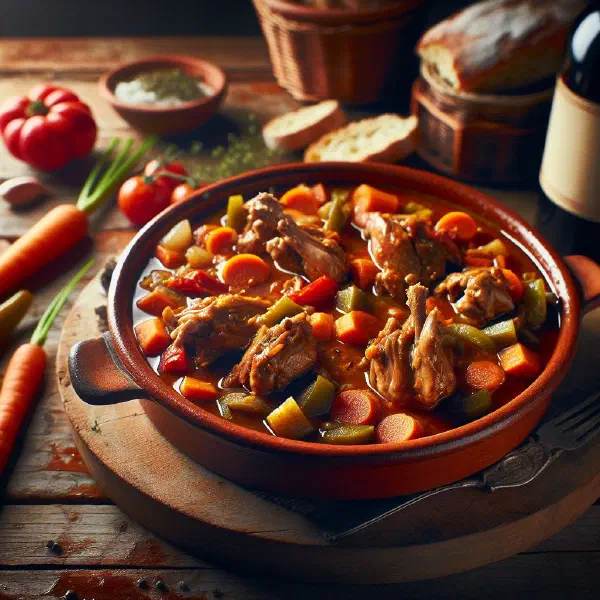
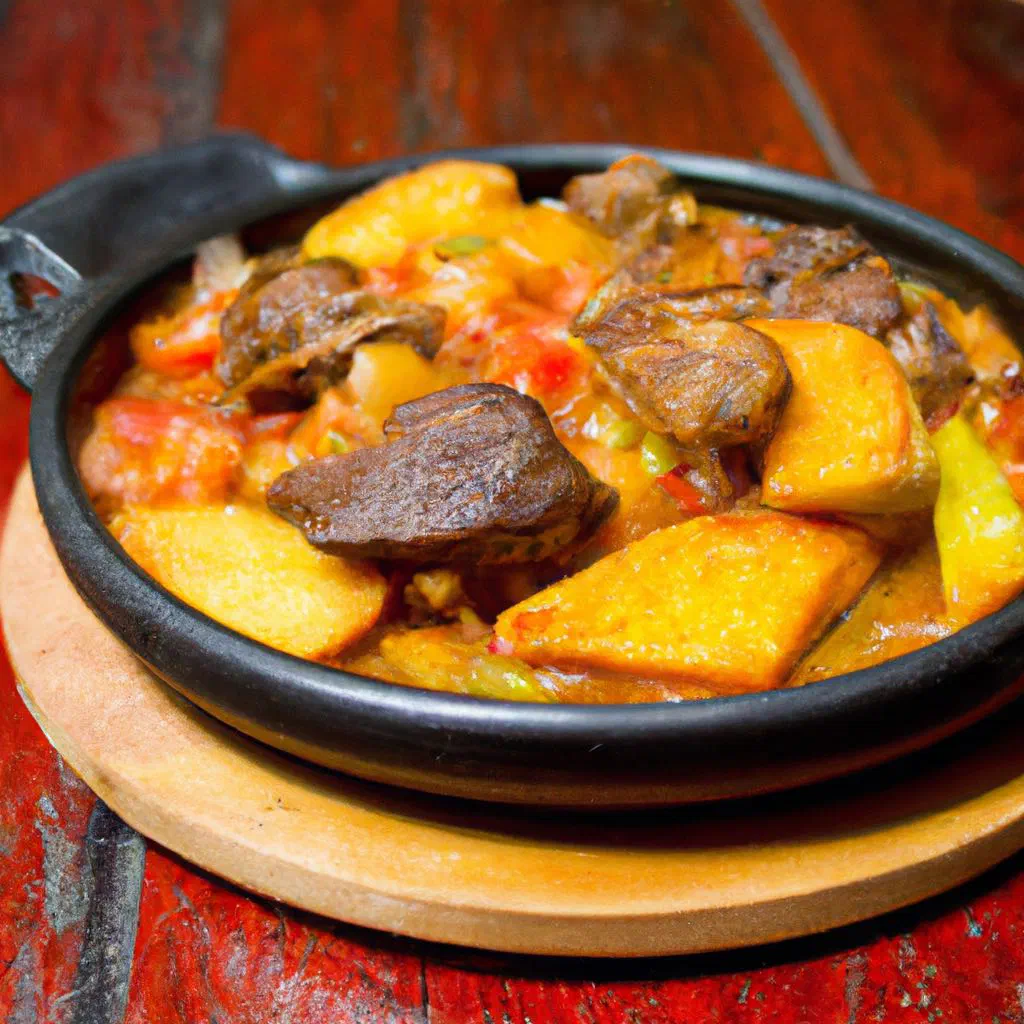
Ropa Vieja means old clothes, which is what shredded beef in tomato sauce is held to resemble. Brisket or flank is simmered until it falls into threads, then finished in a sofrito of onion, pepper and garlic. It is served with rice, black beans and fried plantain.
About Ropa Vieja
Ropa vieja is Cuba’s national dish and it arrived from the Canary Islands, where a version is still made. The Cuban form is defined by the sofrito, the cumin and oregano, and the shredding: the meat should come apart into long strands, not chunks.
The name attaches to a story about a man who shredded his own clothes to feed his family, which is charming and almost certainly invented after the fact.
Ingredients (serves 1–2)
- 400 g beef brisket (or minced beef)
- 2 onions
- 1 pepper
- 2 cloves of garlic
- 1 tin of tomatoes
- 1 tablespoon olive oil
- 1 tablespoon tomato purée
- 1 tablespoon paprika
- 1 tablespoon oregano
- 1 teaspoon salt
- 1 tablespoon sugar
- 1 tablespoon vinegar
Shopping for the ingredients
Flank steak is the traditional cut because its long fibres shred beautifully; brisket is the easier substitute. Skip the minced beef option in the ingredient list if you want the real thing, since mince cannot shred. Cuban cooking uses more cumin than the recipe suggests, so add a teaspoon.
Preparing the dish
Simmer the beef first in water with a bay leaf and half an onion until it pulls apart, which takes around two hours. Keep the broth. Shred the meat with two forks while it is still warm, then build the sofrito separately and bring the two together.
Step-by-step instructions
- Heat the olive oil in a large pan or pot and brown the beef all over.
- Once the meat is nicely browned, add the onions, pepper and garlic and fry everything together.
- Stir in the tomatoes, tomato purée, paprika, oregano, salt, sugar and vinegar, mixing well.
- Let the ragout simmer over medium heat until the beef is tender and easily shredded.
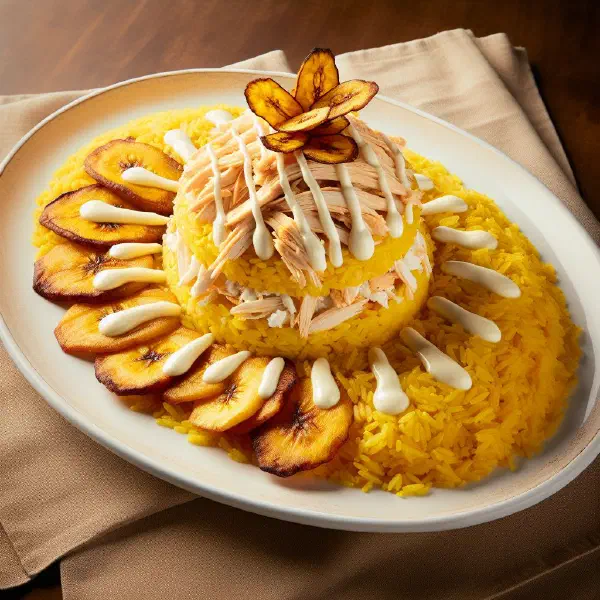
- Serve the dish with rice, beans and/or fried plantains.
Gluten-free / lactose-free version
Ropa vieja contains no gluten and no dairy. Served with rice and beans, the whole plate is suitable. Check only a shop-bought stock if you use one.
Tips for vegans and vegetarians
Jackfruit shreds convincingly and takes the sofrito well; banana blossom is the other option. Use vegetable stock and add a little smoked paprika for depth. The sofrito is vegan and is the foundation of a great deal of Cuban cooking.
More tips and tricks
Shred the meat while it is warm and against nothing in particular; it should come apart along its own grain. Return a ladle of the cooking broth to the sauce, which keeps it from drying. And let it sit for twenty minutes after cooking, or overnight, because ropa vieja improves markedly.
Adapting the recipe to your taste
Olives and capers stirred in at the end are common and add the salt-sour note the dish wants. A splash of dry white wine or sherry in the sofrito is traditional. Some households add raisins, which divides opinion.
Ingredient substitutions
Flank, skirt and brisket all work. Vaca frita uses the same shredded beef fried crisp instead, which is worth knowing. Lamb or pork can be treated identically.
Drink pairing ideas
A mojito or daiquiri before the meal. Cristal or Bucanero lager with it. Cuban coffee, small and sweet, afterwards.
Serving and presentation ideas
Serve it over white rice with moros y cristianos or plain black beans and plátanos maduros on the side. The plate is arranged in three parts rather than mixed together.
A bit of history
The dish came with Canary Island settlers, who made up a large share of Spanish migration to Cuba, and versions survive in the Canaries and across the Spanish Caribbean. Cuba made it national. It sits at the centre of Cuban cuisine alongside picadillo and the Cuban sandwich.
More recipe ideas
Summary: Ropa Vieja
Ropa vieja is beef simmered until it shreds, then finished in a sofrito of onion, pepper and tomato. Use flank or brisket, shred it warm, and let it stand before serving.