National Dish Cuba: Vaca Frita (Recipe)
In this article
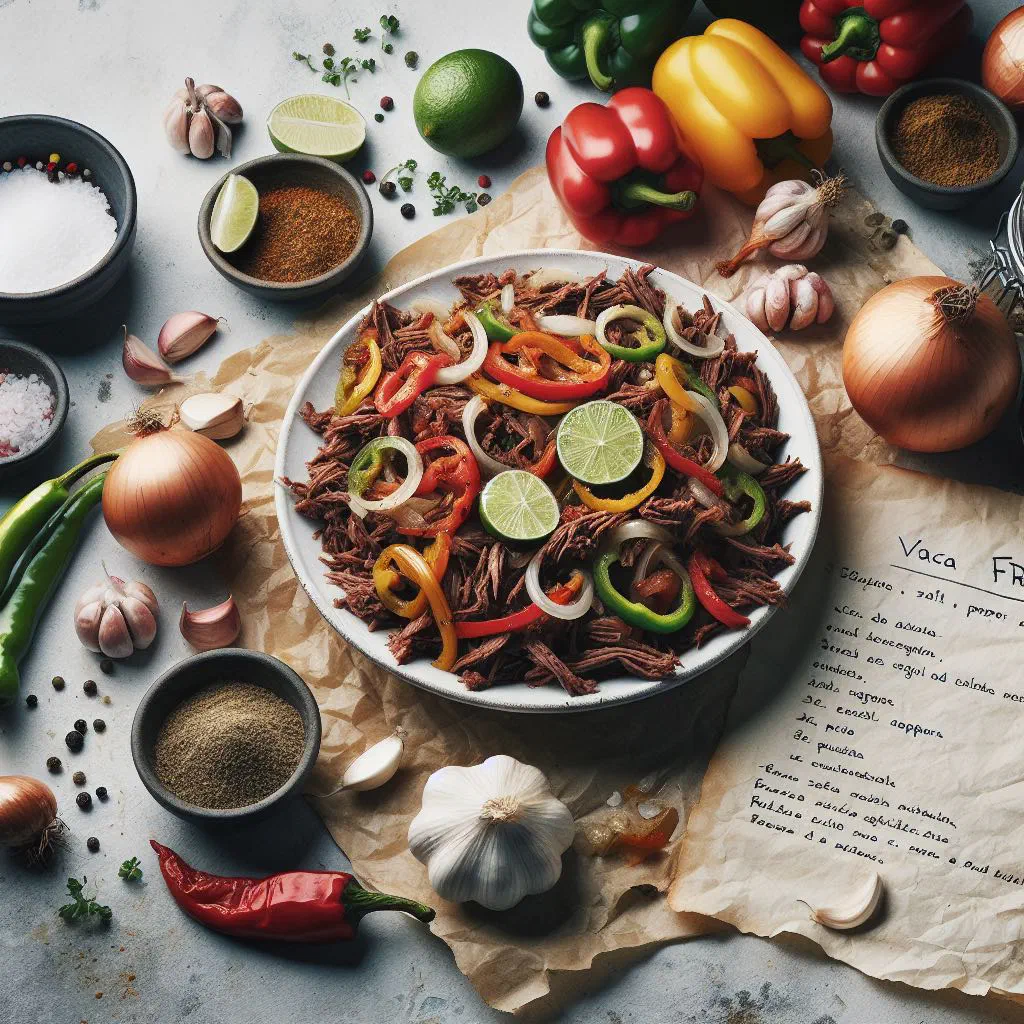
Say hello to Vaca Frita, a Cuban classic that brings the sun-soaked flavours of the Caribbean straight to your table. Tender beef is steeped in a zesty marinade of lime, garlic and onions, then pan-fried until the edges turn very crisp. The name translates as “fried cow”, but there is nothing plain about it: this is a dish of bright citrus, savoury depth and satisfying crunch, traditionally served with fluffy rice and black beans for a meal that truly fills you up.
About Vaca Frita
Its signature feature is tender beef that is first marinated in a fragrant blend of onions, garlic and lime, then shredded and fried until crisp and golden. That final searing gives the meat its unmistakable texture and an intense, concentrated flavour. Vaca frita is most often served with rice and black beans, which turn it into a hearty, deeply satisfying main course enjoyed at family tables and in restaurants across the island.
Ingredients (serves 1–2)
- 300 g beef (such as flank steak or brisket)
- 2 limes (juiced)
- 4 cloves garlic, chopped
- 1 large onion, sliced into rings
- 2 tablespoons olive oil
- Salt and pepper, to taste
- Fresh coriander leaves, to garnish (optional)
Shopping for the ingredients
When shopping for the ingredients for vaca frita, the quality of the beef really matters. Fresh, well-marbled meat is what keeps the dish tender and juicy after its final fry. Visit a local market or a trusted butcher to make the best choice. Don’t forget to pick up fresh limes and aromatic seasonings too, as they are essential to the character of the marinade and give the finished dish its lively, citrus-forward flavour.
Preparing the dish
Preparing vaca frita begins with the marinade that gives the dish its distinctive aroma. In a bowl, combine the lime juice, chopped garlic, and a good pinch of salt and pepper. Add the beef, turn it to coat, then leave it to marinate in the fridge for at least 2 hours, or, better still, overnight. This resting time lets the flavours penetrate the meat properly, which is the secret to that deep, intense taste in every bite.
Step-by-step instructions
- Take the marinated beef out of the fridge and let it drain.
- Heat the olive oil in a pan and cook the meat over medium heat for about 5–7 minutes on each side.
- Remove the meat from the pan and let it rest on a plate.
- In the same pan, sauté the onion rings until soft and lightly golden.
- Slice the beef into thin strips and return it to the pan.
- Toss everything together and fry for a further 2–3 minutes to marry the flavours.
- Serve warm and garnish with fresh coriander to taste.
Gluten-free / lactose-free version
The good news is that vaca frita is naturally gluten-free and lactose-free, as long as you take care not to add any ingredients that contain gluten or dairy. Simply use olive oil or another plant-based oil for the frying. If you have particular dietary needs, make sure your side dishes are gluten-free too. Rice and black beans are an excellent gluten-free choice that complements the dish beautifully and, much like a plate of Moros y Cristianos, rounds out the meal.
Tips for vegans and vegetarians
Although vaca frita is traditionally made with beef, vegans and vegetarians can still enjoy their own version. A great alternative is jackfruit or tofu, both of which soak up the marinade wonderfully. Prepare them in the same way as the beef to keep that authentic flavour, then shred and fry until crisp. Pair the plant-based option with the classic sides for a complete and thoroughly satisfying taste experience.
More tips and tricks
To get the most out of your vaca frita, experiment with the marinating time. A longer soak intensifies the flavours and makes the meat even more tender. Play around with different spices too, a pinch of cumin or paprika can add a whole new dimension. Finally, it is well worth letting the meat rest after frying so the juices can settle, which keeps every strip moist and full of flavour.
Adapting the recipe to your taste
Adapting vaca frita to your personal preferences is easy and makes the cooking all the more fun. Add peppers or jalapeños for a spicy kick, or experiment with different herbs to tweak the marinade. If you want to make the dish a little lighter, choose lean beef or reduce the amount of oil used for frying. These are all great ways to tailor your vaca frita to your own tastes and eating habits.
Ingredient substitutions
If you don’t have every ingredient to hand, there are plenty of alternatives to fall back on. Instead of beef, try chicken or pork for a different flavour profile, the latter takes especially well to the same treatment used for Masitas de Cerdo. You can also swap the lime juice for lemon juice, though the taste won’t be quite the same.
Drink pairing ideas
Choosing the right drink is key to rounding off your vaca frita. A traditional Cuban mojito of fresh mint, lime and rum pairs wonderfully with this dish. Alternatively, serve a cold beer such as a pale lager or a pilsner to balance the flavours. For an alcohol-free option, a freshly squeezed Jugo de Guayaba or a refreshing lemonade complements the flavour combination perfectly.
Serving and presentation ideas
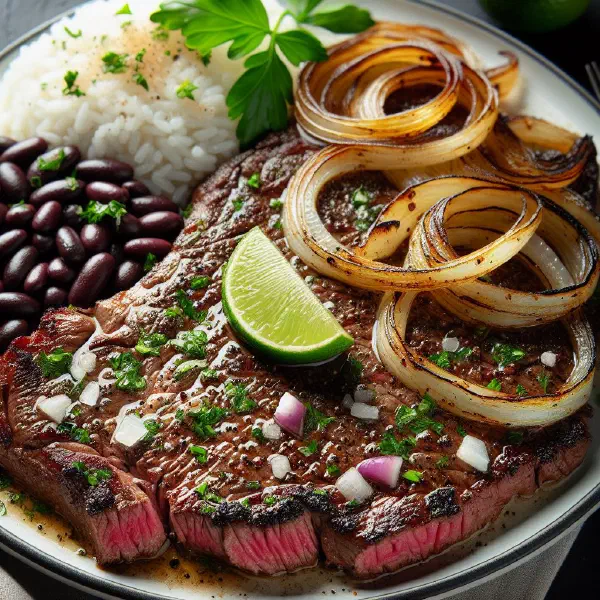
The way you present your vaca frita can lift the whole impression of the dish. Serve the tender beef on a handsome plate, garnished with fresh coriander leaves and sautéed onion rings. Add a bowl of rice and a stylish portion of black beans to highlight the colours and textures, or a side of sweet Plátanos Maduros. A wedge of lime on the side sharpens the flavour and adds an appealing finishing touch.
A bit of history
Vaca frita has its roots in Cuban cuisine and is a fine example of how different cultures came together on the island. Caribbean, Spanish and African traditions have all played their part in shaping this delicious dish. Originally it was cooked by ordinary country folk who wanted to make the most of the best flavours their region had to offer. Today, vaca frita is a beloved dish throughout Cuba, often served in restaurants and at celebrations, and it stands proudly alongside classics like Ropa Vieja as a cornerstone of the country’s cooking.
More recipe ideas
Summary: Vaca Frita
In short, vaca frita is a memorable Cuban dish that is genuinely addictive. With its aromatic marinade, crisply fried meat and classic sides, it offers a wonderful variety of flavours and textures. A few simple adjustments and a little creative presentation are all it takes to make your vaca frita the star of any table. Give this marvellous recipe a try and dive into the delicious world of Cuban cuisine. You won’t be disappointed.