National Dish Cyprus: Baklava (Recipe)
In this article
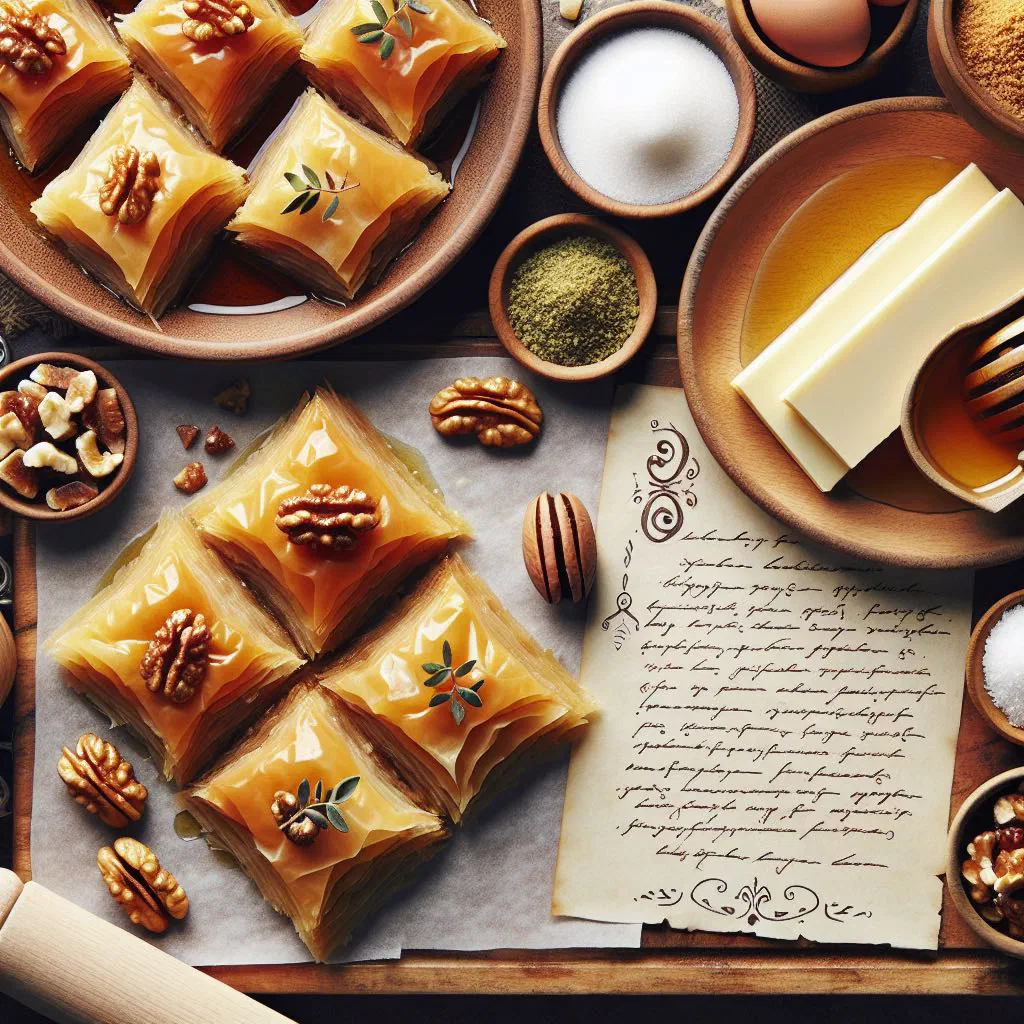
Discover Baklava, the jewel of the Cypriot dessert table. Layer upon layer of wafer-thin filo pastry is packed with crunchy nuts and warming spices, then bathed in a fragrant honey syrup that seeps into every crisp fold. Sweet, sticky and utterly very good, it is the kind of treat that turns any gathering into a celebration. Bring a taste of Mediterranean hospitality straight to your own table with this timeless classic.
About Baklava
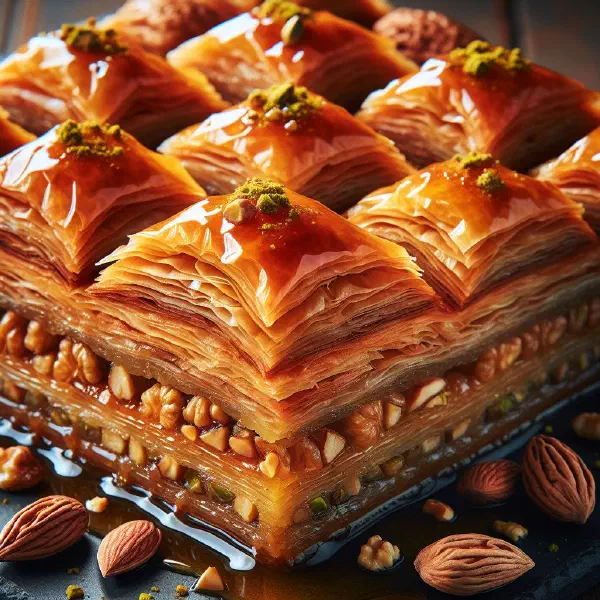
Baklava is a traditional dessert of Cypriot cooking and a celebration of the variety and richness of Mediterranean culture. This wonderful sweet is built from many layers of delicate filo pastry, filled with a mixture of crunchy nuts and aromatic spices. Once baked, the baklava is generously soaked in a honey syrup that gives it its signature sweetness. Whether at festive occasions or simply as a little treat between meals, baklava is always a hit, a fitting showpiece of Cypriot cuisine.
Ingredients (serves 1–2)
- 8–10 sheets of filo pastry
- 100 g ground walnuts or pistachios
- 50 g melted butter
- 100 g sugar
- 150 ml water
- 1 teaspoon cinnamon
- 2 tablespoons honey
Shopping for the ingredients
To prepare the perfect baklava, it is important to use the right ingredients. Filo pastry is usually easy to find in well-stocked supermarkets or Middle Eastern grocery shops. The choice of nuts can vary, walnuts or pistachios are the most common options. Do take care to pick fresh nuts, as their quality has a real bearing on the flavour of the finished baklava.
Preparing the dish
Preparation is key to achieving a truly delicious baklava. Begin by unrolling the filo pastry and brushing each sheet with melted butter, which is what makes the layers turn crisp and golden. The nuts should be mixed with cinnamon and a little sugar to create an aromatic filling that plays beautifully against the sweet pastry layers.
Step-by-step instructions
- Preheat the oven to 180°C.
- Grease the baking tin with a little melted butter.
- Lay a sheet of filo pastry in the tin and brush it with butter.
- Repeat this step with half of the pastry sheets.
- Spread the nut mixture evenly over the pastry layers.
- Cover the filling with the remaining filo sheets, again brushing each with butter.
- Cut the baklava into diamond shapes to ensure it bakes evenly.
- Bake for about 30–35 minutes, until golden brown.
- Boil the sugar syrup with the water and honey until the sugar has dissolved, then let it cool slightly.
- Pour the syrup over the hot baklava as soon as it comes out of the oven, and leave it to cool.
Gluten-free / lactose-free version
Making baklava gluten-free is entirely possible using gluten-free filo pastry, which can be found in many health-food shops or online. You can also swap the butter for plant-based margarine to make the recipe lactose-free. The nut filling generally contains no problematic ingredients, so you can usually relax on that front.
Tips for vegans and vegetarians
Vegan versions of baklava are within easy reach: simply replace the butter with an alternative such as melted coconut oil or vegan margarine. The honey can be swapped for a sweet syrup like maple syrup or agave syrup to keep the recipe fully plant-based. Just make sure the nuts you use contain no animal products. These small adjustments make it possible to share the delicious tradition of baklava with everyone.
More tips and tricks
To make sure your baklava turns out perfectly, spread the filling evenly and take care that every layer is well brushed with butter. One interesting variation is to add dried fruit such as raisins or apricots to the nut filling, which lends the dessert an extra layer of flavour. You might also add a hint of rose water to intensify the aromatic profile, much as you would in the syrup for Loukoumades.
Adapting the recipe to your taste
The baklava recipe is easy to tailor to personal preference. If you prefer a gentler sweetness, reduce the amount of sugar in the syrup or use a less sugary nut mixture. You can also experiment with different spices to give your baklava an individual touch, a pinch of nutmeg or cardamom can be intriguing and open up new taste experiences.
Ingredient substitutions
If you have no walnuts to hand, you can easily switch to pistachios, flaked almonds or a mixture of different nuts. For the syrup, brown sugar works well too, adding extra depth and a lightly caramel note. Juicy lemon zest in the syrup can bring a refreshing change, just as it perks up a batch of Xerotigana. And if you are out of honey, you can use agar-agar or another setting agent to achieve a syrupy consistency.
Drink pairing ideas
Baklava pairs wonderfully with a wide range of drinks. Tea, especially black tea or rose tea, complements the sweet flavours perfectly. A glass of Greek yoghurt or a refreshing mint lemonade are also excellent partners, helping to balance the dessert’s sweetness. If you fancy something with a little alcohol, try a dessert wine or a measure of arak to round off the experience.
Serving and presentation ideas
Presentation plays an important role in lifting the whole baklava experience. Surprise your guests with a stacked arrangement on a handsome serving plate or in small glass bowls. A scattering of pistachios or chopped nuts as decoration makes it even more appealing. Remember, too, to drizzle a little extra syrup over the finished pieces. It not only looks delicious but makes the baklava even more inviting, in the same generous spirit as a plate of golden Galaktoboureko.
A bit of history
The origins of baklava are much debated, but the history of this sweet reaches back to antiquity and is shared across many cultures of the eastern Mediterranean. Historically, baklava was refined by the Ottomans and gained great popularity in many countries. Today it is a beloved dessert throughout the Middle East and the Balkans. It is more than just a dish; baklava is a symbol of hospitality, often served on special occasions, a role it shares with the walnut spoon sweet Glyko Karydaki.
More recipe ideas
Summary: Baklava
In short, baklava is an incomparable and delicious dessert, rich in tradition and culture. Its preparation does call for a little patience, but it rewards you with a memorable taste experience. Let its variety and possibilities inspire you, and savour every single bite.