National Dish Cyprus: Halloumi (Recipe)
In this article
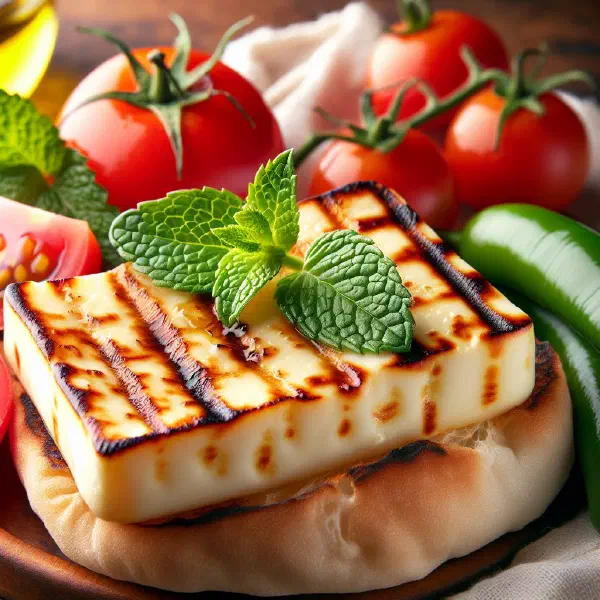
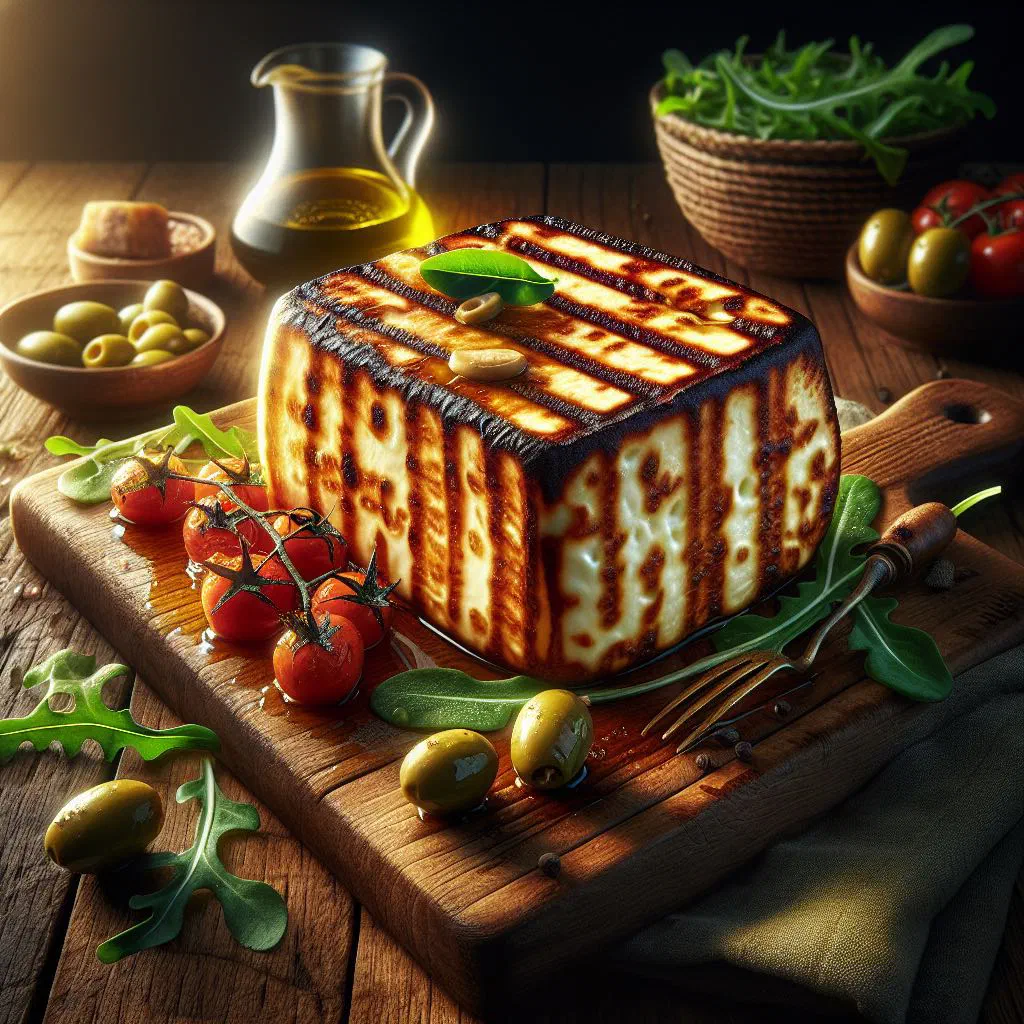
Say hello to Halloumi, the salty, springy cheese that sits at the very heart of Cypriot cooking. Grilled or pan-fried until it wears a golden, crisp crust while staying soft and yielding within, it delivers one of the most satisfying textures in Mediterranean food. A scattering of oregano, a few fresh mint leaves and a squeeze of lemon are all it takes to turn a simple block of cheese into a memorable dish. Bring a taste of the sun-baked island straight to your own kitchen.
About Halloumi
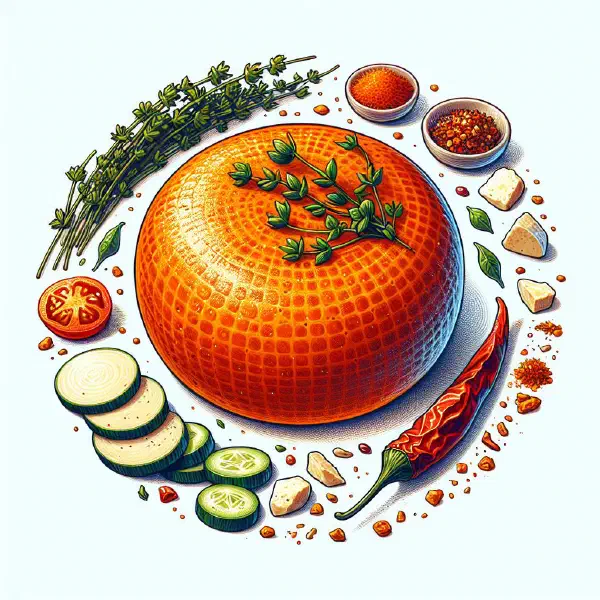
Halloumi is far more than just a cheese; it is the culinary cornerstone of Cyprus and a proud carrier of the island’s food heritage. This semi-firm, non-melting cheese is made from a blend of cow’s, sheep’s and goat’s milk, and it is prized for its distinctive springy texture and pleasantly salty aroma. Once grilled or fried, halloumi develops a wonderfully crisp crust while keeping a smooth, tender centre, a genuinely sensory eating experience that has made it famous well beyond the Mediterranean.
Ingredients (serves 1–2)
- 200 g halloumi
- 1 tablespoon olive oil
- 1/2 teaspoon oregano
- Fresh mint (optional)
- 1 lemon, for fresh juice
Shopping for the ingredients
When shopping, look out for genuine Cypriot halloumi, which enjoys protected status within the EU. It should be firm in texture and free from unnecessary additives, the best blocks list little more than milk, salt and rennet. Fresh herbs such as oregano and mint can be found at local markets or in a well-stocked supermarket, depending on the season. A good, fruity olive oil rounds out the short shopping list.
Preparing the dish
Take the halloumi out of its packaging and pat it dry with kitchen paper. If you like, cut the cheese into slightly thicker slices to create an ideal surface for grilling and to help it hold together in the pan. Have all your ingredients within easy reach so the cooking can proceed smoothly, as halloumi cooks quickly and is best served the moment it comes off the heat.
Step-by-step instructions
- Heat the olive oil in a griddle pan or on the grill.
- Add the halloumi slices to the pan or grill and let them turn golden brown on both sides.
- Meanwhile, scatter the cheese with oregano and squeeze a little fresh lemon juice over the top.
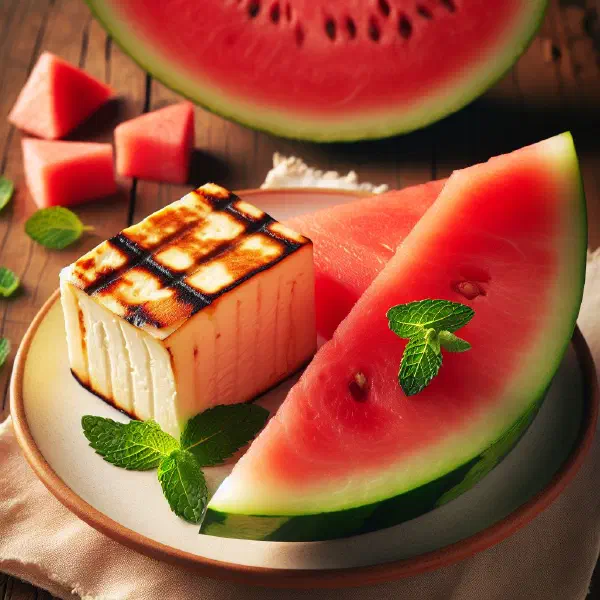
- Once the halloumi has developed a crisp crust, lift it off the heat and arrange it on a plate with fresh mint leaves.
Gluten-free / lactose-free version
Halloumi is naturally gluten-free, which makes this dish a reliable choice for anyone with a gluten intolerance. Just be mindful of any bread or sides you serve alongside it. Because it is a cheese, halloumi does contain some lactose, though its firm, aged character means the levels are relatively low and often well tolerated. If you need a strictly lactose-free meal, pair the cheese with naturally free-from accompaniments such as salad, olives and grilled vegetables.
Tips for vegans and vegetarians
This dish is naturally vegetarian, so it slots easily into a meat-free table and works beautifully as part of a mezze spread. For a fully vegan version, swap the halloumi for one of the plant-based grilling cheeses now widely available, which brown in much the same way. Keep the oregano, mint and lemon exactly as they are. Those bright, fresh flavours carry the dish whether or not dairy is involved.
More tips and tricks
For extra depth of flavour, marinate the halloumi in olive oil and chopped herbs before frying so the aromas soak into the cheese. A light pinch of chilli adds a gentle, welcome heat. Take care not to overcook the slices, as halloumi can toughen if left too long over high heat. Aim for a deep golden crust and serve straight away while the inside is still soft.
Adapting the recipe to your taste
Depending on your own palate, halloumi can be refined with other spices such as cumin or thyme to give it a different character. Adding pieces of vegetable to the grill alongside the cheese, peppers, courgettes or cherry tomatoes work well, makes for a tasty and colourful variation. You can dial the herbs and citrus up or down until the balance suits you perfectly.
Ingredient substitutions
If you have no olive oil to hand, another vegetable oil will do the job just as well for frying. In place of fresh herbs, dried ones make a perfectly good seasoning. Simply use a little less, as their flavour is more concentrated. A lime can stand in for the lemon if that is what you have, lending the same bright acidity that cuts through the richness of the cheese.
Drink pairing ideas
A cool white wine or a fruity rosé pairs excellently with the salty tang of halloumi. Alternatively, a light beer or some sparkling mineral water makes a refreshing accompaniment. For something with local character, a small glass of Cypriot zivania offers a spirited finish to a mezze-style meal.
Serving and presentation ideas
Serve the halloumi on a wooden board, accompanied by a spread of Mediterranean sides such as olives, sun-dried tomatoes and fresh flatbread. It is right at home alongside a crisp Village Salad or a summery Cypriot Halloumi Salad. Arranging everything on a large platter with colourful accompaniments turns a simple cheese into a generous, inviting centrepiece.
A bit of history
Halloumi has its roots deep in Cypriot history and has been made in much the same way for centuries. The cheese was traditionally produced by shepherd families and served as an important source of protein during the fasting periods of the Orthodox Church. Its keeping qualities made it invaluable long before refrigeration, and today it is one of the proudest ambassadors of Cypriot cuisine, enjoyed across the island and exported around the world.
More recipe ideas
Summary: Halloumi
Cyprus’s favourite cheese is simple and quick to prepare. With the right golden browning and a handful of aromatic herbs, halloumi becomes a plain yet refined dish that pairs with countless sides and is easily recreated in your own kitchen. If you love it, try it in a salad with melon and mint or tucked into a hearty omelette, its versatility makes it the star of many Mediterranean meals. Give this Cypriot classic a go, and let its salty, springy charm win you over.