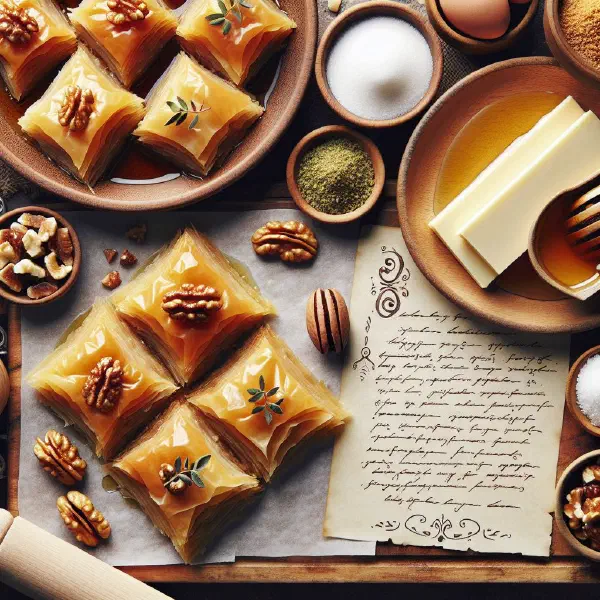
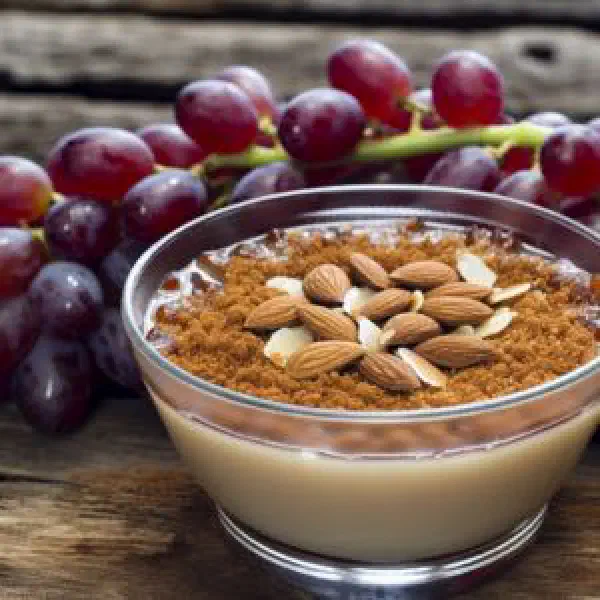
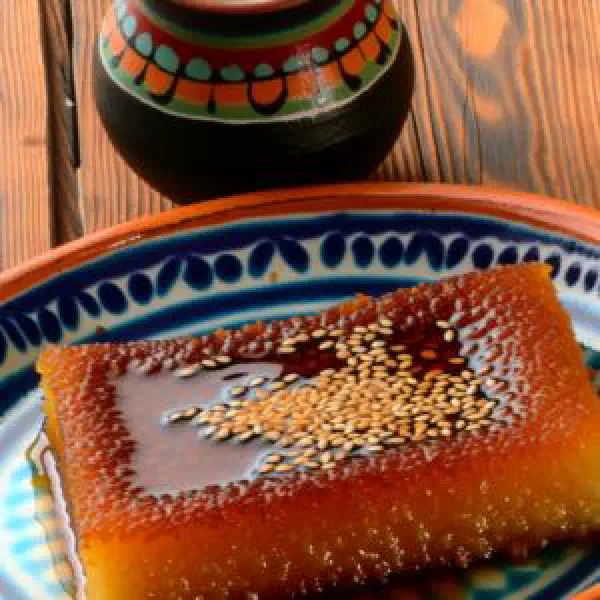
National Dish Cyprus: Halva (Recipe)
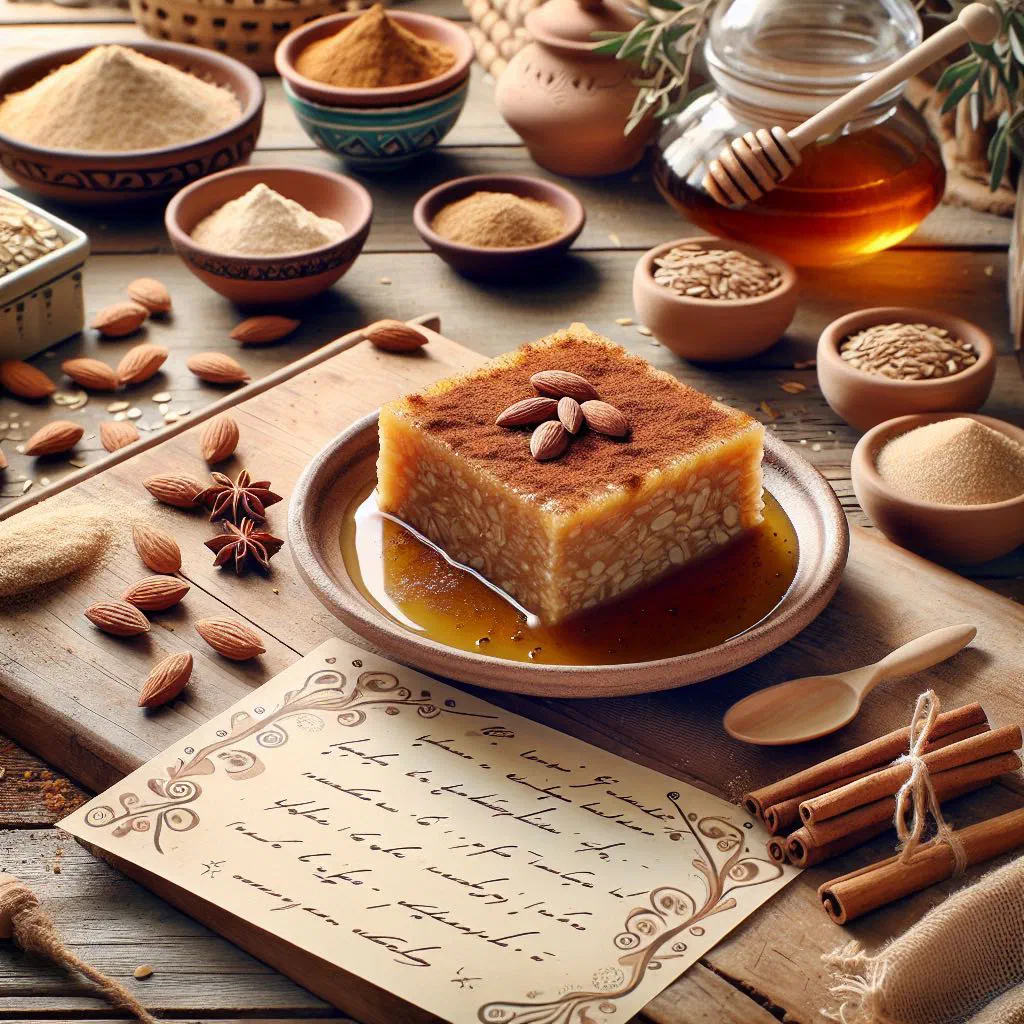
In this article
Discover Halva, a beloved sweet from the eastern Mediterranean that is especially popular in Cyprus. Made from rich tahini, honey and ground nuts, this dessert offers a wonderful balance of sweet and nutty flavours wrapped in an uniquely dense, fudgy texture. Simple to make and naturally free from gluten and dairy, it is the kind of treat that suits an after-dinner moment just as well as an afternoon nibble with a cup of coffee.
About Halva
Halva is a much-loved sweet with its roots in the eastern Mediterranean, and it is enjoyed widely across Cyprus. This delicious dessert is built around sesame, almonds or pistachios, delivering a genuinely indulgent taste experience. Its distinctive texture and the marriage of sweet and nutty aromas make halva an unmistakable delicacy. It appeals to food lovers of every age.
Ingredients (serves 1–2)
- 100 g tahini (sesame paste)
- 50 g honey or maple syrup
- 50 g ground nuts (such as almonds or pistachios)
- 1 pinch of salt
- Water as needed
Shopping for the ingredients
The ingredients for halva are available in most well-stocked supermarkets, as well as in Asian and Mediterranean grocers. Tahini is the key product you will need for the base, so try to choose a good-quality sesame paste, as this has a real impact on the flavour of the finished sweet. Honey or maple syrup are equally important, bringing out the sweet notes, so it is worth buying the best quality you can find here too.
Preparing the dish
Before you begin making halva, measure out and lay out all of your ingredients. This makes the process far smoother and ensures you do not forget a thing. It also helps to have a suitable mould or container ready, into which you can spoon the finished mixture. Good preparation really is the key to a successful dessert.
Step-by-step instructions
- Spoon the tahini into a bowl and stir well to loosen it into a smooth paste.
- Add the honey or maple syrup and mix everything together thoroughly.
- Fold in the ground nuts along with a pinch of salt.
- Add a little water as needed to reach the consistency you want.
- Spoon the mixture into the prepared mould and smooth it out evenly.
- Chill in the fridge for at least 2 hours until firm.
- Once set, cut into pieces and serve.
Gluten-free / lactose-free version
One of the great advantages of halva is that it is naturally gluten-free and lactose-free. You can enjoy this recipe without a second thought if you live with a gluten intolerance or lactose sensitivity. Do double-check, however, that the ingredients you use are free from any gluten-containing additives. It is also worth making sure that your chosen sweeteners contain no hidden dairy components.
Tips for vegans and vegetarians
For vegans, halva offers a wonderful way to enjoy a delicious dessert. Simply swap the honey for maple syrup or another plant-based sweetener. The remaining ingredients are naturally plant-based and so lend themselves perfectly to a vegan diet. That way vegans, too, can savour the nutty richness and sweet character of this sweet.
More tips and tricks
A few simple tips can help you get the most out of halva. Take care to mix the tahini thoroughly so the oil does not separate out. Experiment with different nuts or flakes to uncover new flavour directions. You can also tailor the recipe by varying the sweetness or adding further aromas such as vanilla. In this way you can give the dessert your own personal signature.
Adapting the recipe to your taste
Adjust the halva recipe to your own preferences by playing with the ingredients. If you are especially fond of a particular nut or dried fruit, for example, feel free to add it to taste. Just remember that the balance of tahini to sweetener should stay in harmony. An adventurous approach to the ingredients can lead to surprisingly delicious results.
Ingredient substitutions
There are plenty of alternatives you can turn to when making halva. In place of tahini, for instance, you could use another nut butter such as almond or peanut, the same base that gives a good Tahini Sauce its character. Sweeteners such as coconut sugar or stevia can also offer a healthier, lower-calorie option. Substitutions like these can lend your dessert a whole new dimension, so you can rediscover it again and again.
Drink pairing ideas
To make the most of halva, pair it with a well-chosen drink. A lovely tea, such as Arabic mint tea or a robust black tea, complements the sweetness beautifully. For a refreshing alternative, a homemade lemonade could be the perfect match. A cup of Arabic coffee also harmonises wonderfully with the dessert, offering yet another way to round off the experience.
Serving and presentation ideas
To serve halva attractively, think about a creative presentation. Cut the dessert into appealing shapes and arrange it on a pretty plate. A scattering of chopped nuts or a few edible flowers can act as a garnish and bring the colours to life. If you are serving it as part of a buffet, a small label listing the ingredients can be a helpful touch for your guests.
A bit of history
Halva has a long and fascinating history stretching across many cultures and centuries. It originally came from the Arab world and was later introduced into Eastern European and Mediterranean cooking. Each region has developed its own variation, which is why there are so many different recipes based on different nuts or preparation techniques. This diversity reflects the many cultural influences that have shaped the sweet over time, and it remains a cherished part of Cypriot cuisine.
More recipe ideas
Summary: Halva
Halva is a delicious dessert and a wonderfully versatile one, enjoyed in countless variations. Its straightforward preparation and its use of wholesome ingredients make it an ideal treat for any occasion. It invites you to get creative and adapt the recipe to your own preferences. Let the culture of Cyprus inspire you and discover the joy of savouring this traditional sweet.