National Dish Cyprus: Kalo Prama (Recipe)
In this article
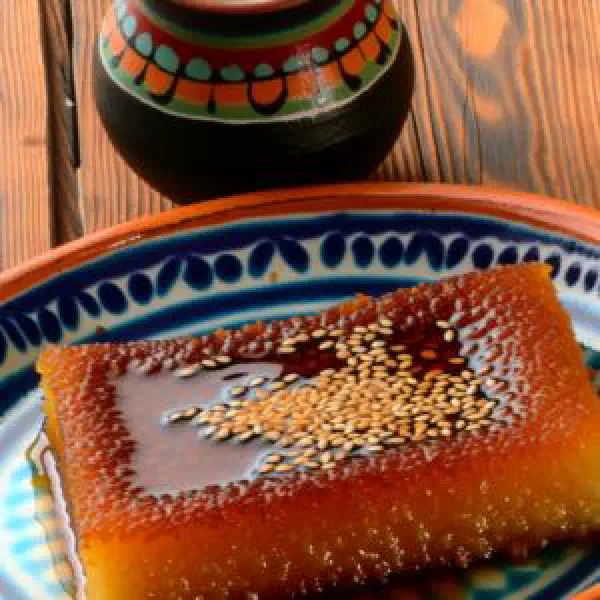
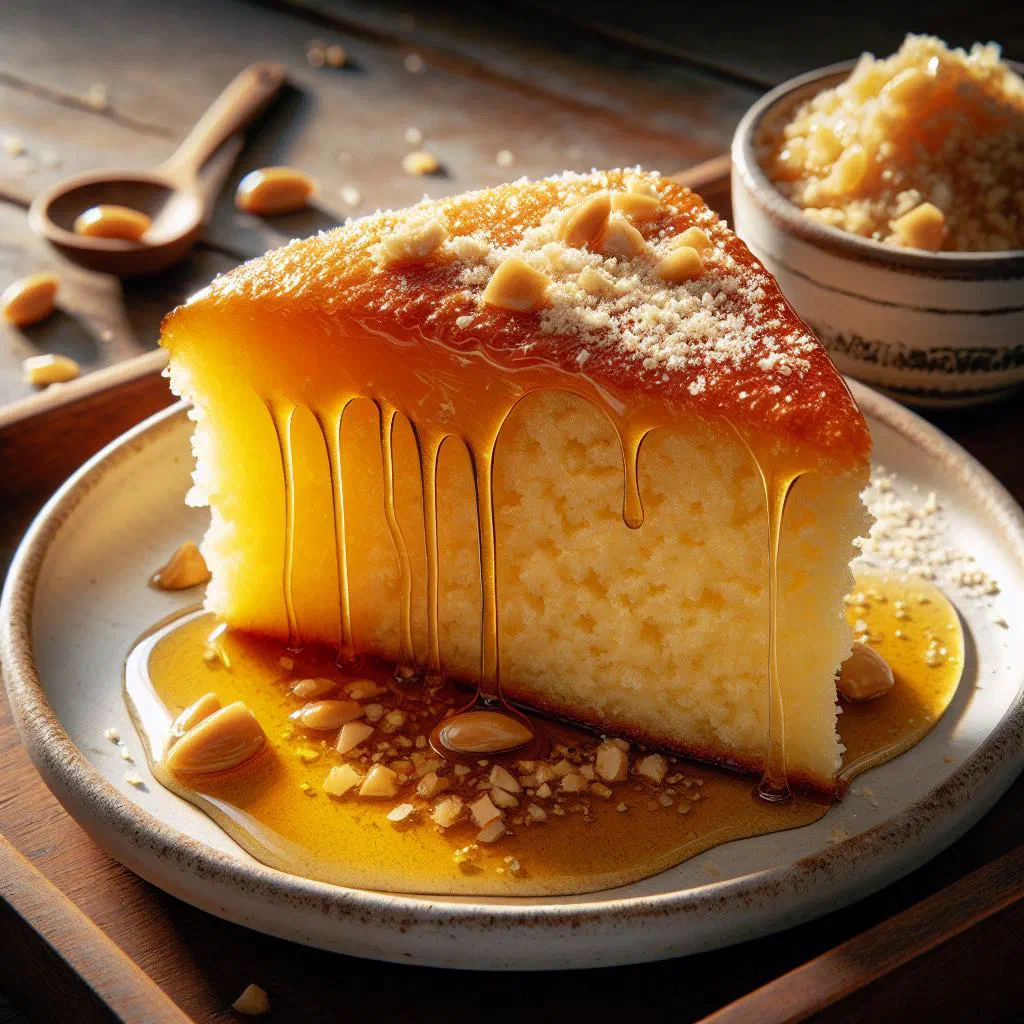
Kalo Prama means “good thing”, which is about as direct as a dessert name gets. It is a semolina and yoghurt cake, baked until golden and then soaked in lemon syrup while still hot, so it turns dense and wet right through. Cut into diamonds, it is the standard Cypriot celebration cake.
About Kalo Prama
Kalo Prama is the moist semolina cake of Cyprus. Its name means literally “good thing”, and that is exactly right: a light cake of semolina, yoghurt and citrus is soaked after baking with a fragrant sugar syrup until it becomes very damp and sweet. This traditional dessert is firmly established at Cypriot festivals and celebrations.
Ingredients (serves 1–2)
- 100 g semolina
- 50 g plain flour
- 60 g sugar
- 1 egg
- 80 g plain yoghurt
- ½ teaspoon baking powder
- Zest of ½ lemon
- For the syrup: 100 g sugar, 100 ml water, 1 teaspoon lemon juice
Shopping for the ingredients
Fine semolina gives a smoother crumb than coarse, though coarse is more traditional and gives the characteristic slight grittiness. Use a thick, full-fat yoghurt. An unwaxed lemon, since both zest and juice are used.
Preparing the dish
Make the syrup first so it can cool completely, hot cake meets cold syrup, which is the rule for every syrup cake. Heat the oven to 180°C and line a small square tin. The batter comes together in five minutes.
Step-by-step instructions
- Make the syrup: boil the sugar, water and lemon juice for 5 minutes; cool completely.
- Heat the oven to 180°C and line a small square tin.
- Whisk the egg with the sugar until pale.
- Beat in the yoghurt and lemon zest.
- Fold in the semolina, flour and baking powder.
- Pour into the tin and bake for 25–30 minutes until golden and firm.
- Score the hot cake into diamonds.
- Pour the cold syrup slowly over it and leave to soak for at least 2 hours.
Gluten-free / lactose-free version
Semolina is wheat, so this is not gluten-free; fine polenta or a gluten-free semolina substitute works with a slightly different texture. For lactose-free, use a plant yoghurt, coconut yoghurt suits it particularly well.
Tips for vegans and vegetarians
The cake is vegetarian as written. A vegan version with plant yoghurt and 3 tablespoons of aquafaba in place of the egg works well, since the structure comes largely from the semolina.
More tips and tricks
Cold syrup onto hot cake, always, reversing it gives a gluey surface and a dry middle. Score the diamonds before pouring so the syrup runs into the cuts. And give it two hours minimum; kalo prama is genuinely better the next day.
Adapting the recipe to your taste
Orange blossom or rose water in the syrup is common. Almonds pressed into each diamond before baking is the traditional decoration. Mastic gives it the resinous note found in older Cypriot versions.
Ingredient substitutions
Coconut can replace some of the semolina. Honey substitutes for part of the syrup sugar. Orange zest works in place of lemon.
Drink pairing ideas
Strong Cypriot coffee is the classic partner and cuts the sweetness. Commandaria, the island’s ancient sweet wine, is the celebratory choice. Mountain tea suits an afternoon serving.
Serving and presentation ideas
Serve kalo prama cut into diamonds straight from the tin, with an almond on each piece. It appears at weddings, christenings and name days across Cyprus, cut small and handed round with coffee.
A bit of history
Syrup-soaked semolina cakes run across the eastern Mediterranean, the Greek revani, the Turkish revani, the Egyptian basbousa, all descendants of the same Ottoman idea. The Cypriot version is distinguished by its yoghurt, which gives a lighter crumb. It offers a genuine window onto Cypriot cuisine.
More recipe ideas
Summary: Kalo Prama
Kalo Prama is a semolina and yoghurt cake soaked in cold lemon syrup the moment it leaves the oven. Score it before soaking, use cold syrup on hot cake, and wait at least two hours.