National Dish Cyprus: Marathopita (Recipe)
In this article
Discover Marathopita, Cyprus’s fragrant herb pie that packs the whole Mediterranean into a single golden slice. Fresh fennel, dill and spinach are folded through a crisp, olive-oil dough to create a pie that is as at home on a picnic blanket as it is on a mezze table. Simple to make and full of sunny, green flavour, it is a little taste of Cypriot village life you can bring straight to your own kitchen.
About Marathopita
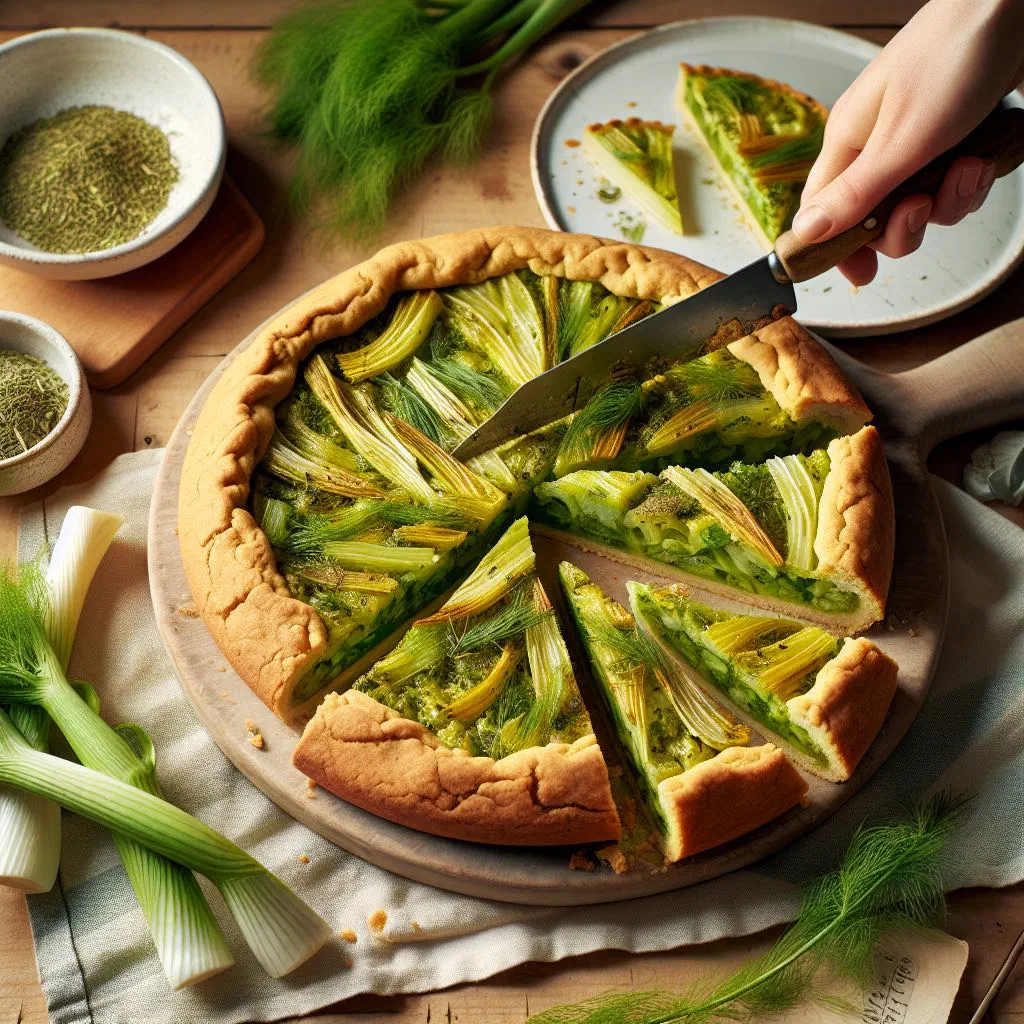
Marathopita is a traditional herb pie from Cyprus, rich in flavour and heady with the scent of the countryside. Its main ingredients are fresh herbs such as fennel, dill and spinach, all bound together in a crisp, golden dough. The dish offers a distinctive taste and a touch of that Mediterranean joy of living that you can sense on every plate. Preparing marathopita is straightforward, and it works equally well as a snack or as a delicious starter.
Ingredients (serves 1–2)
- 200 g plain flour
- 100 ml water
- 30 ml olive oil
- 1 small onion
- 100 g fresh dill
- 150 g fresh spinach
- 100 g fennel
- Salt and pepper, to taste
- 1 egg (for glazing, optional)
Shopping for the ingredients
When shopping for the ingredients for marathopita, it is well worth choosing the freshest produce you can find. Organic vegetables and herbs taste better and carry more nutrients. A local market or a health-food shop is the best place to track down top-quality ingredients. Check the date on the eggs and pick out the best olive oil you can, to bring out the full flavour of the dish.
Preparing the dish
Before you start making the marathopita, it is important to prepare all the ingredients well. Wash the herbs and vegetables thoroughly and chop them into small pieces. These steps allow the aromas to develop fully as the filling cooks. You should also tip the flour into a large bowl to create a good base for the dough.
Step-by-step instructions
- Combine the flour, water and olive oil in a bowl and knead the dough until it is smooth and supple.
- Cover the dough with a cloth and let it rest for 30 minutes.
- Meanwhile, finely chop the onion, fennel and herbs.
- Sauté the onion and fennel in a little olive oil until soft.
- Add the spinach and dill and let the mixture cook gently until the spinach has wilted.
- Season with salt and pepper and set aside to cool.
- Roll out the dough, spread the filling over it and fold it closed.
- Brush the top with egg (optional) and bake in a preheated oven at 180°C for about 30 minutes.
Gluten-free / lactose-free version
For a gluten-free version of marathopita, you can use gluten-free flour. There are plenty of good-quality gluten-free flour blends that work well for dough. When buying, check that the blend is also lactose-free if you want to avoid lactose entirely. Instead of egg, you can use plant-based options such as soya milk or flaxseed to glaze the dough.
Tips for vegans and vegetarians
Marathopita is naturally vegetarian, and with a few simple tweaks it can easily be made vegan too. In place of egg, use a plant-based egg substitute to glaze the dough. This improves the texture and the colour of the finished pie. Take care, too, that all your ingredients are vegan, especially the olive oil and the seasonings.
More tips and tricks
To make marathopita even more delicious, you can add cheese or extra herbs such as parsley or mint to the filling. These ingredients bring a whole new dimension of flavour to the dish. A squeeze of lemon over the finished pie also lends a particularly refreshing note. Feel free to experiment with different kinds of vegetables to create your own version, in the same spirit as the greens that shine in Spanakopita.
Adapting the recipe to your taste
Depending on your personal preference, you can vary the filling of the marathopita. Add some feta cheese or a scattering of nuts, for example, for more texture and flavour. If you love a bit of heat, try mixing a little chilli into the filling. This dish adapts beautifully to different cuisines and tastes, so everyone can enjoy a version of their own.
Ingredient substitutions
If you do not have all the ingredients to hand, there are a few easy alternatives. Instead of fresh spinach, you could use kale or frozen spinach, much as you would in a hearty Olive Pie. The flour, too, can be swapped for alternative flour blends developed specially for gluten-free baking. Adjustments like these let you make marathopita even under restricted dietary conditions.
Drink pairing ideas
A delicious herb pie like marathopita deserves an equally delicious companion. A light white wine or a refreshing rosé pairs wonderfully with this dish. If you prefer alcohol-free options, a homemade lemon iced tea is a great choice. These drinks underline the Mediterranean flavours and add to the convivial atmosphere at the table.
Serving and presentation ideas
The way you present marathopita can lift the whole meal. Serve the pie on a handsome wooden board and garnish it with fresh herbs. A few attractive napkins and some decoration on the table can enhance the setting further. Present the pie to your guests already cut into slices, to make it even more inviting.
A bit of history
Marathopita has a long tradition in Cyprus and is often part of cultural festivals and celebrations. The use of fresh herbs in Cypriot cuisine is not merely a passing trend but a reflection of the cultural importance of regional ingredients. This dish is also frequently handed down in family recipes, and in this way it has secured its place in the heart of the Cypriot kitchen. Some variations of the recipe can also be discovered in different towns across Cyprus.
More recipe ideas
Summary: Marathopita
Marathopita is a unique herb pie that brings the flavours of Cyprus to the plate. With its combination of fresh herbs and a crisp pastry crust, this dish is ideal for any occasion. Whether as a snack or a starter, it unites the traditional taste of Cypriot cuisine with an easy method of preparation. Let this dish inspire you and enjoy a slice of Mediterranean joie de vivre in your own home.