National Dish Cyprus: Pilafi Pourgouri (Recipe)
In this article
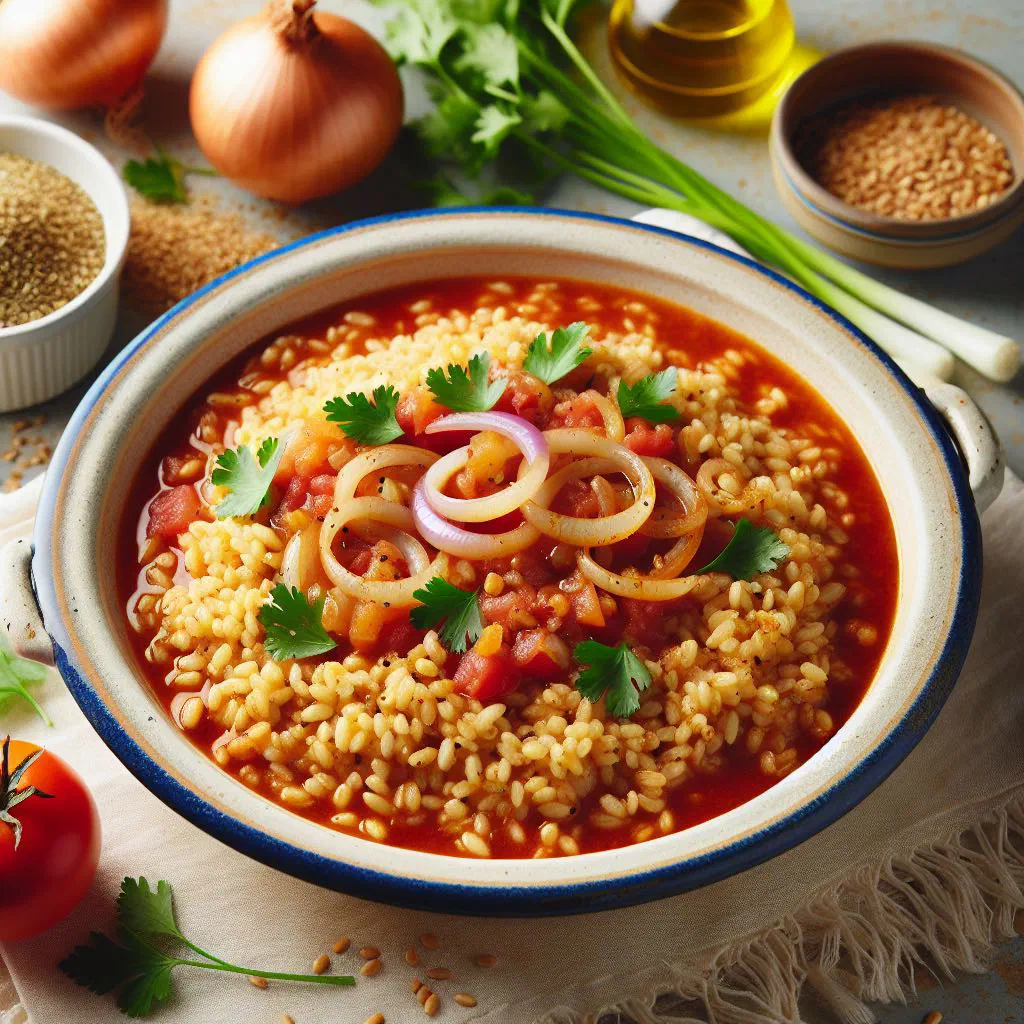
Meet Pilafi Pourgouri, the humble bulgur pilaf that sits close to the heart of Cypriot home cooking. Made from toasted bulgur simmered with onion, herbs and a whisper of warming spice, it is the kind of dish that turns up at family tables and village celebrations alike. Nutty, fragrant and endlessly forgiving, it works beautifully as a main in its own right or as a side to soak up the juices of a hearty stew. Bring a little Mediterranean sunshine to your kitchen with this easy classic.
About Pilafi Pourgouri
Pilafi Pourgouri is a traditional Cypriot dish built around toasted bulgur. It is often lifted with fresh herbs such as parsley and mint, along with warming spices like cinnamon and nutmeg, to create a flavour that is entirely its own. This aromatic dish can be served as a main course or as a side, and it is ideal for anyone who loves Mediterranean cooking. Thanks to its simple preparation and the many ways it can be varied, it is a firm favourite with families and at festive gatherings.
Ingredients (serves 1–2)
- 100 g bulgur
- 250 ml vegetable stock or water
- 1 onion, finely chopped
- 2 tablespoons olive oil
- 1 teaspoon dried herbs (such as oregano or thyme)
- Fresh herbs (such as parsley and mint), to taste
- Salt and pepper
Shopping for the ingredients
The ingredients for Pilafi Pourgouri are available in most supermarkets and at weekly markets. When buying the bulgur, look for good quality, as fresh bulgur can make a real difference to the flavour. Fresh herbs are best chosen locally and as fresh as possible so they release their full aroma. And do not forget to pick a good olive oil, since it plays a central role in Cypriot cooking, much as it does in a bright bowl of Chickpea Salad.
Preparing the dish
To make Pilafi Pourgouri, a little groundwork is the key to success. Begin by chopping the onion and getting the vegetable stock ready. Depending on your preference, you can make the stock from scratch or use a ready-made one. It is also a good idea to wash and chop the fresh herbs in advance, so everything is prepared and to hand once the cooking begins.
Step-by-step instructions
- Heat the olive oil in a pan and add the chopped onion. Fry gently until translucent.
- Add the bulgur to the onion and toast it for a few minutes, until lightly golden.
- Pour the vegetable stock or water over the bulgur and add the dried herbs, salt and pepper.
- Cover the pan and let everything simmer over low heat for about 15 minutes, until the bulgur has absorbed the liquid.
- Stir the chopped fresh herbs through the finished dish just before serving.
Gluten-free / lactose-free version
Pilafi Pourgouri is easy to adapt for a gluten-free diet by swapping the bulgur for gluten-free alternatives such as quinoa or millet. Do take care that the vegetable stock is also gluten-free if you are using a ready-made one. As for lactose, this dish is naturally lactose-free, since no dairy is used. That makes it a wonderful option for anyone living with a food intolerance.
Tips for vegans and vegetarians
For a vegan diet, Pilafi Pourgouri is an excellent choice, as it contains no animal products at all. To enjoy it as a full meal, you can add plenty of fresh vegetables or serve it alongside tofu or seitan. The spices and herbs keep the dish delicious even without any extra ingredients. You might also stir in nuts or seeds to boost the protein content and add a little more nourishment.
More tips and tricks
One important tip when cooking Pilafi Pourgouri is to toast the bulgur well before adding the liquid. This gives the dish a deep, nutty flavour that makes it especially aromatic. You can also vary the spices or add extra ingredients such as roasted vegetables, olives or chickpeas to try out new flavours. Feel free to experiment until you find the perfect combination for your own taste.
Adapting the recipe to your taste
Pilafi Pourgouri offers plenty of scope for personal touches. For a Mediterranean twist, add feta cheese or olives to turn it into a heartier treat. If you like a bit of heat, a pinch of chilli flakes or cayenne pepper does the trick. The choice of herbs is flexible too; try basil or dill for a different set of aromas.
Ingredient substitutions
If you do not have bulgur to hand, you can also use quinoa or rice. Both are great alternatives that work just as well. Instead of vegetable stock you could use chicken stock, if the dish does not need to stay vegetarian. You are not limited when it comes to the herbs either; fresh coriander or tarragon can bring new and exciting flavours to the plate.
Drink pairing ideas
A range of light, fresh drinks pairs beautifully with your Pilafi Pourgouri. A cool rosé or a crisp white wine sits perfectly with the flavours of the dish. If you would rather stay alcohol-free, a refreshing lemon or mint water is a lovely choice. Elderflower cordial is another good option for conjuring up a Mediterranean mood.
Serving and presentation ideas
Presentation is the key to an appealing dish. Serve the Pilafi Pourgouri in a handsome ceramic bowl and garnish it with fresh herbs and a squeeze of lemon juice. Use colourful vegetables as a side to create a visually appetising effect, or offer a spoonful of Hummus alongside. A nicely laid table adds even more to the dining experience, putting your guests instantly at ease.
A bit of history
Pilafi Pourgouri has its roots in Cypriot culture, where food and communal eating play a central role. The use of bulgur goes back to ancient Mediterranean cooking, known for its simplicity and its reliance on fresh ingredients. This dish is often part of festivals and family celebrations, reflecting the hospitality and cultural traditions of Cyprus. Preparing and sharing Pilafi Pourgouri brings people together and creates lasting memories, in the best spirit of Cypriot cuisine.
More recipe ideas
Summary: Pilafi Pourgouri
In short, Pilafi Pourgouri is a delicious and versatile dish that captures the flavours of Cyprus perfectly. With its simple preparation, its wholesome ingredients and its endless room for adaptation, it suits any occasion. This dish will win your guests over with its flavour and its charm. Let Cypriot cooking work its magic and enjoy the simple pleasure of making it.