National Dish Cyprus: Pitaroudia (Recipe)
In this article
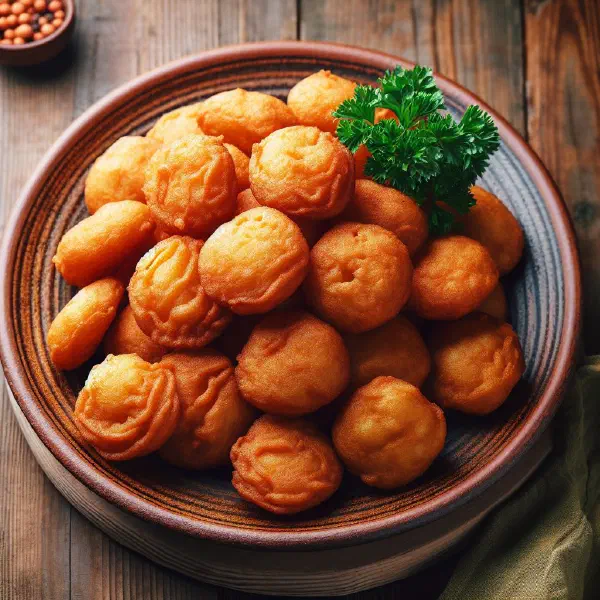
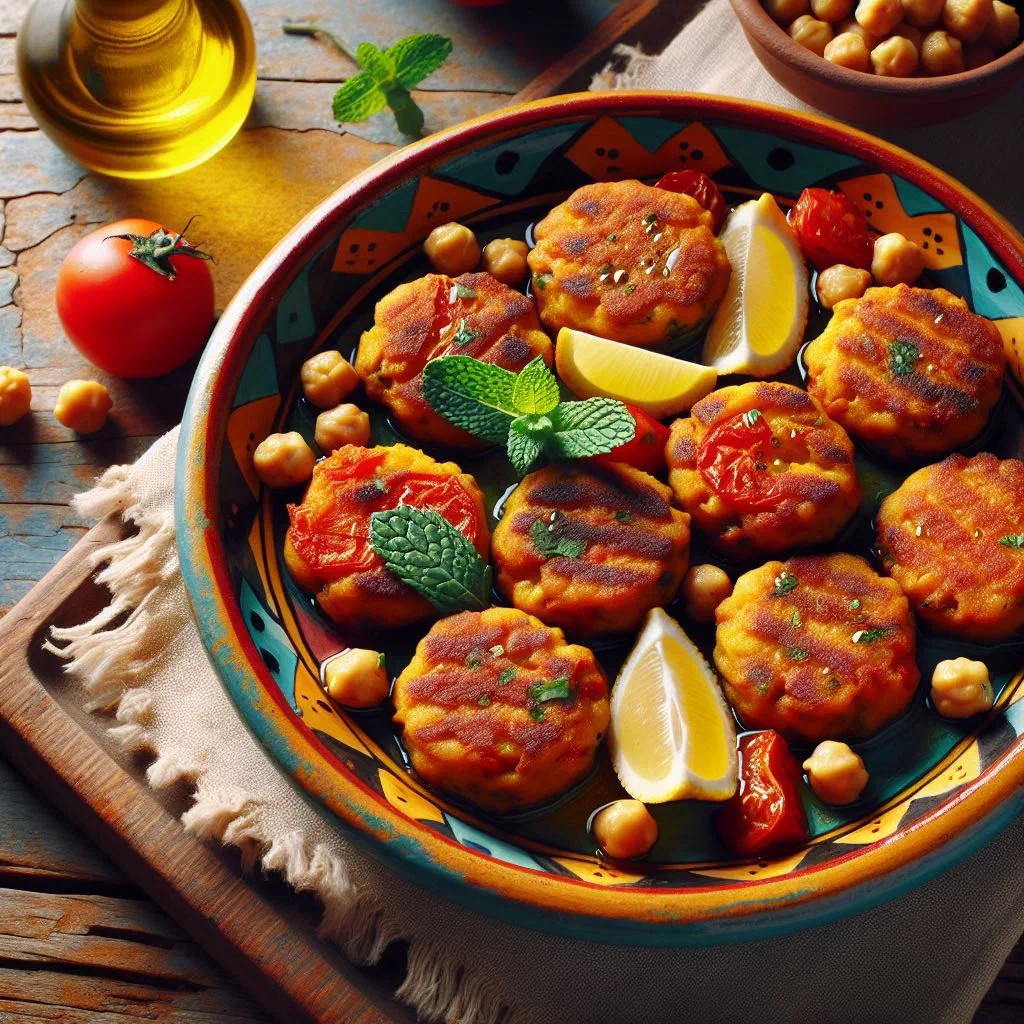
Meet Pitaroudia, the crisp little chickpea and potato fritters that have long been a treasured part of Cypriot home cooking. Golden and crunchy on the outside, soft and fragrant within, they carry the warm, earthy notes of cumin and paprika with every bite. Simple to make yet full of character, these fritters are as welcome on a festive meze table as they are for an easy weeknight supper. Bring a taste of the island into your own kitchen.
About Pitaroudia
Traditional Pitaroudia is very good for anyone who loves vegetarian cooking. These delicious chickpea and potato fritters have their roots in Cypriot gastronomy, and they are as easy to prepare as they are tasty. With a perfect balance between a crisp exterior and a tender centre, they are hugely popular with locals and visitors alike. Every mouthful is an explosion of flavour that reflects the warmth of Cypriot culture.
Ingredients (serves 1–2)
- 200 g chickpeas (dried or tinned)
- 200 g potatoes
- 1 small onion
- 2 cloves of garlic
- 1 tsp cumin
- 1 tsp paprika
- Salt and pepper to taste
- Oil for frying
- Fresh herbs (such as parsley or coriander)
Shopping for the ingredients
When you are ready to make Pitaroudia, your first step is to gather all the ingredients you need. Many of them are easy to find in an ordinary supermarket or health-food shop. When buying the chickpeas, look for good-quality ones to guarantee the best flavour. If you are using fresh herbs, choose those with a lively fragrance to intensify the aroma of your dish.
Preparing the dish
Good preparation is the key to perfect Pitaroudia. Begin by cooking the chickpeas if you are using dried ones. They should be soaked for at least 8 hours before boiling. While the chickpeas cook, peel the potatoes and cut them into small pieces to shorten the cooking time. The onion and garlic should also be finely chopped so their flavour is evenly distributed through the mixture.
Step-by-step instructions
- Cook the chickpeas and potatoes together in a pan until soft.
- Once they have cooled a little, mash the mixture in a bowl.
- Add the onion, garlic, spices and herbs, and mix everything well.
- Shape small fritters from the mixture and heat oil in a frying pan.
- Fry the fritters until golden brown on both sides.
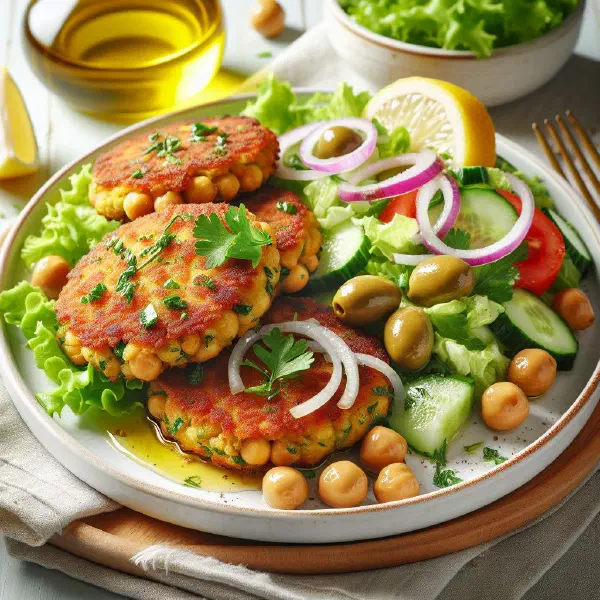
- Serve them warm with a side of your choice.
Gluten-free / lactose-free version
One great advantage of Pitaroudia is that it is naturally gluten-free and lactose-free, as long as you do not add any ingredients containing gluten or dairy. Always use fresh, unprocessed ingredients when cooking. That way you can enjoy the dish with peace of mind, whether you have allergies or intolerances. This makes it especially versatile and suitable for many different diets.
Tips for vegans and vegetarians
Pitaroudia is an ideal dish for vegans and vegetarians alike. To vary the flavour, you can fold in extra vegetables such as carrots or courgette. Another option is to use different herbs to strengthen the aromas and create new taste experiences. The fritters can also be served with a selection of dipping sauces, all of them purely plant-based, to make the dish even more moreish, much like a bowl of creamy Hummus.
More tips and tricks
For perfect Pitaroudia, we recommend letting the mixture rest in the fridge for a few minutes before frying. This helps you reach the ideal consistency so the fritters do not fall apart in the pan. You can also bake the fritters in the oven for a lighter version. Experiment with different spices to find the perfect combination for your palate.
Adapting the recipe to your taste
Making Pitaroudia offers plenty of scope for adaptation. Perhaps you prefer your fritters a little spicier? Simply add a pinch of cayenne pepper or some fresh chilli. For a sweeter note, try a hint of cinnamon. Every region has its own variations, and there are countless ways to adjust the traditional recipe to suit personal tastes and preferences.
Ingredient substitutions
If you do not have certain ingredients to hand, there are plenty of alternatives for Pitaroudia. Instead of chickpeas you can use lentils, which also make an excellent base. If you are not keen on cumin, try thyme or oregano instead. Remember that each variation can bring a whole new taste experience, the same spirit of thrift that shapes a hearty plate of Louvi.
Drink pairing ideas
Various drinks work beautifully alongside Pitaroudia. A light, fruity white wine pairs wonderfully with the savoury fritters. For an alcohol-free option, serve a refreshing mineral water or a homemade lemon tea. A tart, aromatic herbal tea also complements the flavours of the dish perfectly and turns the meal into a rounded experience.
Serving and presentation ideas
Presentation is an important element when serving Pitaroudia. Arrange the fritters on a decorative plate and garnish with fresh herbs. Serve them with a range of dips, such as hummus or a yoghurt sauce, to combine the different flavours. Both taste and appearance matter, so let your creativity run free.
A bit of history
The roots of Pitaroudia reach deep into Cypriot tradition. It was originally a dish prepared by rural communities to make the most of the ingredients they had available. In recent years it has grown into a popular feature of Cypriot festivals and celebrations. Today it is served in many restaurants and homes right across the island, telling the story and culture of Cypriot cuisine in every bite.
More recipe ideas
Summary: Pitaroudia
The Cypriot dish Pitaroudia is a treat for the palate and a piece of cultural heritage that captures the soul of the island. With its simple preparation and its many variations, it offers a wonderful way to discover new flavours. Whether for a special occasion or as part of an everyday meal, these chickpea and potato fritters are a genuine highlight. Bring a little piece of Cyprus into your home and enjoy the unique taste of this traditional dish.